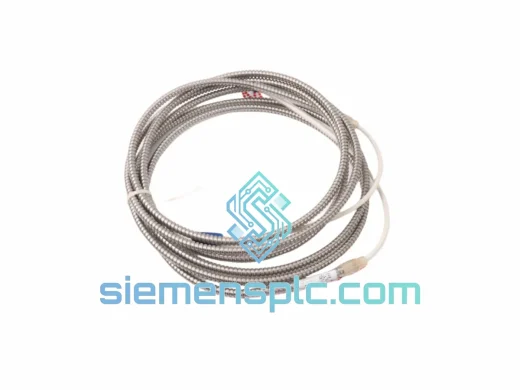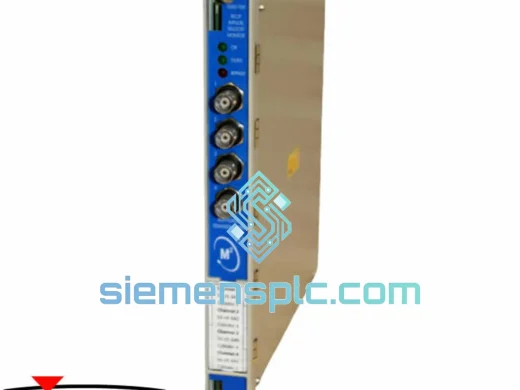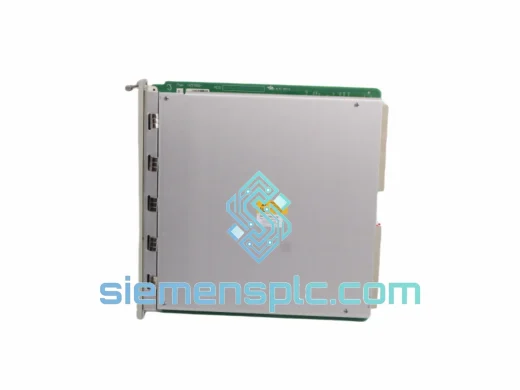
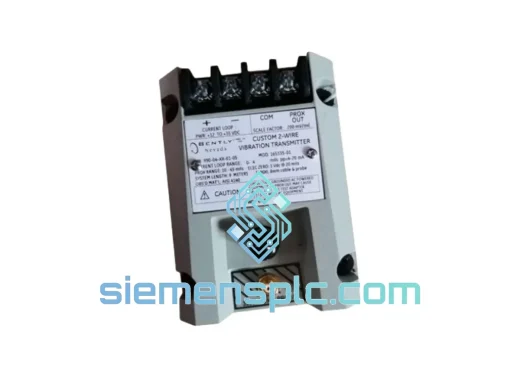
Bently Nevada
RFQ Ready
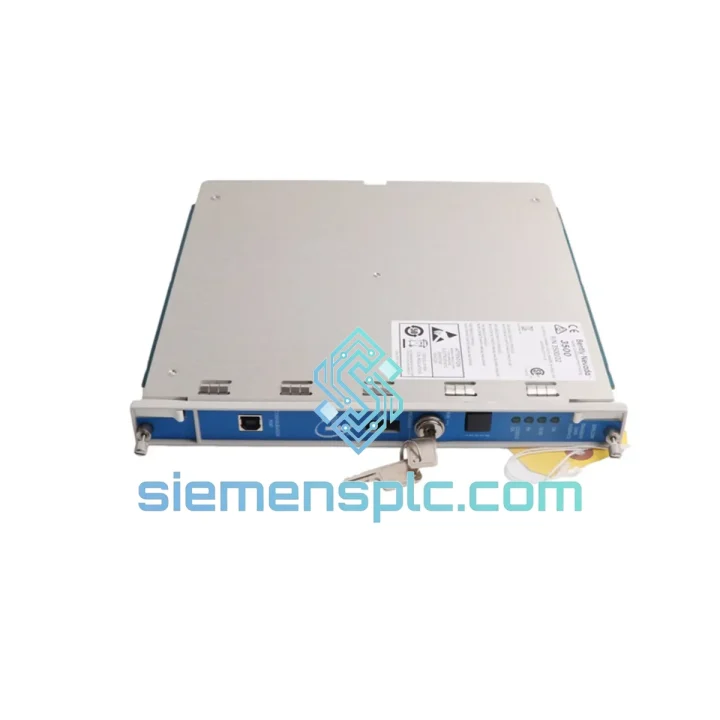
Bently Nevada TA150/AL 08276D Tachometer Module – 3500 Series
3500 Series
Origin US
Tachometer Module
Request verified availability, condition, replacement risk review, packing options and courier lead time for 3500/22M.
Click Request Quote and the part number is inserted into the inquiry form automatically.
Core fields for model confirmation and RFQ routing. Detailed product narrative remains below.
Your temperature monitoring channel just dropped out. The 3500 rack is throwing a fault. The turbine is still turning, but your protection system is flying blind on bearing thermals. Every hour of unmonitored operation is a liability your insurance underwriter will not cover — and every hour of forced shutdown is cash bleeding out of your plant. You need a 3500/22M 288055-01 on-site, not a lead-time quote.
We stock the Bently Nevada 3500/22M 288055-01 RTD and Isolated Tip Thermocouple I/O Module in Xiamen, China. Units are inspected, documented, and ready to clear customs today. DHL and FedEx express lanes are open. If you are reading this during a shutdown window, contact us now — not after you finish reading.
URGENT REQUIREMENT? Contact: [email protected] | WhatsApp: +86 18359268345
| Parameter | Specification |
|---|---|
| Part Number | 288055-01 |
| Model | 3500/22M |
| Brand | Bently Nevada (Baker Hughes) |
| Series | 3500 Machinery Protection System |
| Module Type | RTD / Isolated Tip Thermocouple I/O |
| Input Channels | 4 channels per module |
| Supported Sensor Types | Pt100, Pt200, Pt500, Ni120 RTD; J, K, T, E, R, S, B type TC (isolated tip) |
| RTD Measurement Range | −200 °C to +850 °C (Pt100) |
| TC Measurement Range | −270 °C to +1820 °C (type-dependent) |
| Accuracy (RTD) | ±1 °C typical (Pt100, 3-wire) |
| Channel Isolation | Galvanic isolation, channel-to-chassis |
| Power Source | 3500 rack backplane (no external supply) |
| Form Factor | Single-slot 3500 Series rack module |
| Operating Temperature | 0 °C to +65 °C |
| Storage Temperature | −40 °C to +85 °C |
| Humidity | 5% to 95% RH, non-condensing |
| Compliance | API 670 5th Edition, CE, RoHS |
| Stock Status | ✔ Ready to Ship — Xiamen, China |
Most common failure modes on the 3500/22M 288055-01:
1. Channel-specific “Not OK” with no sensor fault at the field terminal. This is almost always an internal ADC or signal conditioning failure on that channel’s input circuit — not a wiring problem. Swap the module before chasing the cable. Confirm by temporarily jumpering a known-good RTD simulator to the suspect channel terminals. If the fault follows the module slot, the card is dead.
2. All channels reading −999 or pegged high simultaneously. Backplane communication loss between the 3500/22M and the Rack Interface Module (3500/20). Check the rack slot seating first — reseat the module with power off. If the fault persists after reseating, verify the 3500/20 firmware revision is compatible with your 3500/22M hardware revision. Mismatched firmware between the RIM and I/O modules causes exactly this symptom.
3. Ground loop noise on TC channels causing erratic readings. The 288055-01 option specifically provides isolated-tip thermocouple inputs to break ground loops. If you are seeing 50/60 Hz noise on TC channels after module replacement, verify the replacement unit is the 288055-01 option and not a non-isolated 3500/22 variant. The option suffix matters — do not substitute.
Replacement procedure checklist (field-tested sequence):
Configuration note on sensor type assignment: The 3500/22M assigns sensor type (RTD vs. isolated TC) per channel via software configuration, not hardware jumpers. There are no DIP switches on this module. All configuration is done through System 1. If you are replacing a module that was configured for mixed sensor types across its four channels, the configuration download step is non-negotiable — do not assume factory defaults will match your installation.
The 3500/22M 288055-01 is not a general-purpose data acquisition card dressed up for industrial use. It was designed from the ground up for continuous, unattended operation in machinery protection racks that sit in turbine halls, compressor buildings, and offshore platform equipment rooms — environments where ambient temperature swings 40 degrees between day and night, where VFD-driven equipment saturates the local electrical environment with high-frequency noise, and where humidity condenses on cold surfaces during startup after a cold shutdown.
The galvanic isolation architecture on the 288055-01 option is the critical differentiator. In a large turbine train, thermocouple cables can run 80 to 120 meters from the measurement point to the protection rack. At those cable lengths, ground potential differences between the sensor mounting point and the rack chassis can reach several volts — enough to shift a Type K thermocouple reading by 15 to 25 degrees and mask a genuine thermal event. The isolated-tip input circuit breaks this ground loop at the module input, not at the sensor, which means the protection function remains valid even when the plant’s grounding system is compromised by corrosion or construction activity.
The module’s operating temperature ceiling of +65 °C accommodates installation in non-air-conditioned equipment rooms in tropical climates. The −40 °C storage rating means units shipped to northern Canada or Siberia in winter arrive ready to install without thermal conditioning. PCB conformal coating on production units provides moisture resistance for coastal and offshore installations where salt-laden air accelerates corrosion on unprotected circuit boards.
Vibration tolerance is addressed through the rack-mount form factor itself: the 3500 rack’s card guide and backplane connector system mechanically constrains the module against the vibration transmitted through the rack enclosure from nearby rotating equipment. Field experience on gas turbine packages where the protection rack is mounted on the turbine skid — not in a remote equipment room — confirms that properly seated 3500 Series modules maintain reliable operation under continuous low-frequency vibration from the turbine foundation.
Our warehouse is located in Xiamen, Fujian Province, China — one of China’s primary export hubs with direct access to Xiamen Gaoqi International Airport and the Port of Xiamen. This geography is not incidental: it means your emergency shipment does not transit through an inland consolidation hub before reaching an international gateway. The module goes from our shelf to the airport in hours, not days.
Standard express routing from Xiamen:
Every shipment includes: commercial invoice with accurate HS code classification, packing list with module serial number, certificate of conformance, and DHL/FedEx tracking number provided within 24 hours of dispatch. For plant shutdown emergencies, we can arrange Saturday pickup with DHL in Xiamen — contact us before 14:00 CST Friday to confirm availability.
We do not use consolidators or freight forwarder middlemen for express shipments. Your package moves on a direct DHL or FedEx account, which means real-time tracking from our door to yours and direct carrier accountability if there is a delay.
Email: [email protected]
WhatsApp: +86 18359268345
Web: siemensplc.com
© 2026. All rights reserved.
We check the full part number, brand, series and visible nameplate information before quotation.
Sales confirms stock path, condition option, quantity and realistic lead time for export dispatch.
DHL, FedEx, UPS or buyer courier arrangements can be reviewed with packing requirements.
Similar brand or category products for fast comparison and multi-item RFQ lists.