GE
RFQ Ready
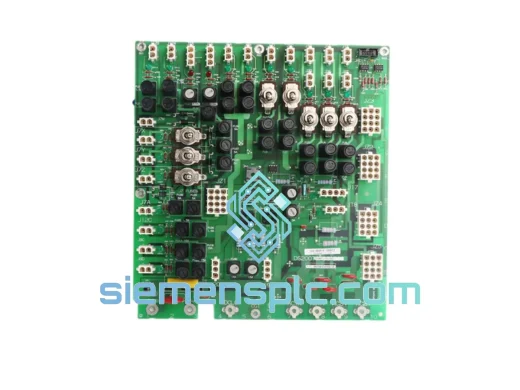
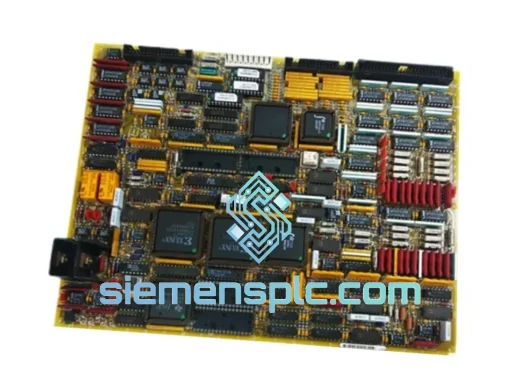
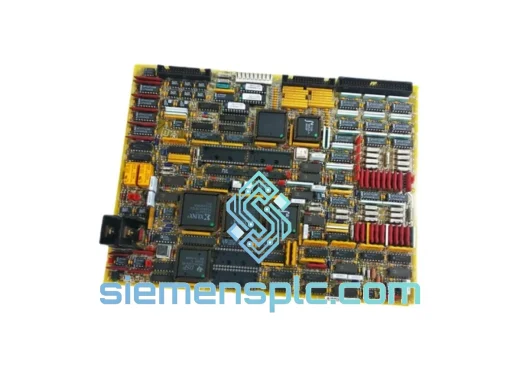
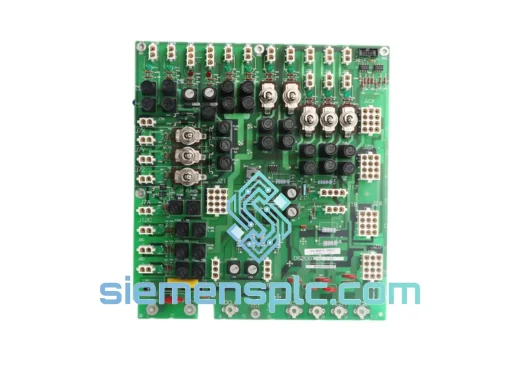
GE DS200TCQCG1BKG Turbine Control Module – Mark V Series
Mark V
Origin US
Turbine Control Module
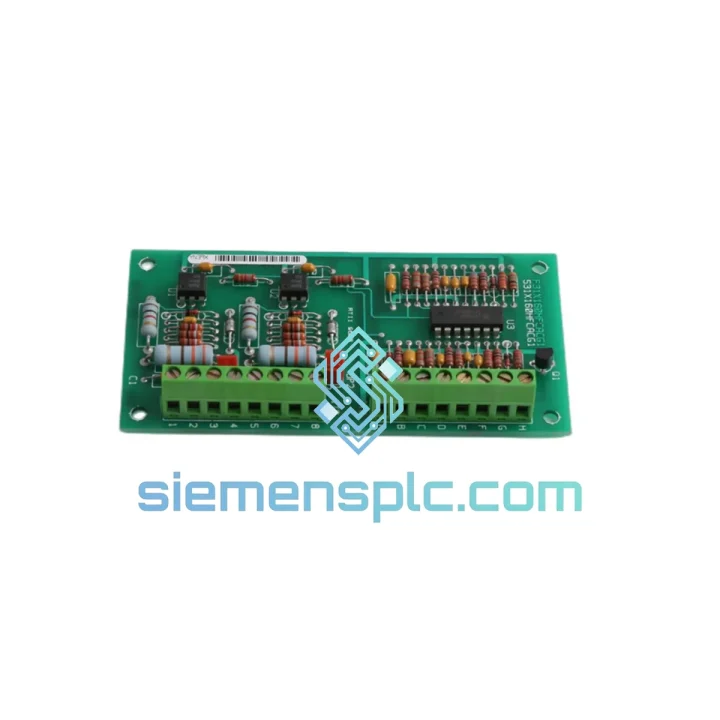
Request verified availability, condition, replacement risk review, packing options and courier lead time for 531X160HFCACG1.
Click Request Quote and the part number is inserted into the inquiry form automatically.
Core fields for model confirmation and RFQ routing. Detailed product narrative remains below.
A tripped gas turbine doesn’t wait for business hours. When the GE 531X160HFCACG1 Home/Flag Board fails inside a Mark V Turbine Control System, the unit shuts down hard — valve travel limits go unconfirmed, the protective logic fires, and the turbine locks out. At $30,000–$80,000 per hour of lost generation, every minute spent chasing a replacement is money leaving the plant. We maintain verified stock of the 531X160HFCACG1 in Xiamen, China, with same-day dispatch available for orders confirmed before 15:00 CST. This is not a lead-time quote — it is a board on a shelf, tested, packed, and ready to move.
The 531X160HFCACG1 handles discrete flag-signal conditioning and home-position feedback within the Mark V VME-based I/O architecture. It sits between the field wiring — limit switches, proximity sensors, LVDT-derived position signals — and the Mark V controller logic. When the board’s input comparator drifts, its edge connector develops cold joints, or its 5 VDC filter capacitors age out, the controller loses confidence in valve position data and initiates a protective trip. The failure mode is abrupt, the diagnostic trail is short, and the fix is a direct board swap — provided you have the part.
⚡ URGENT REQUIREMENT? Contact us now:
📧 [email protected] | 💬 WhatsApp: +86 18359268345
| Parameter | Specification |
|---|---|
| Part Number | 531X160HFCACG1 |
| Manufacturer | General Electric (GE Energy) |
| Module Function | Home/Flag Signal Conditioning — valve travel limit & position feedback |
| Compatible Platform | GE Mark V (MKVS), Mark VI (MKVI) — VME backplane architecture |
| Input Signal Types | Discrete flag inputs, LVDT-compatible position feedback interface |
| Logic Supply Voltage | +5 VDC via backplane rail |
| Operating Temperature | 0 °C to +60 °C (forced-air cooled panel enclosure) |
| PCB Form Factor | Single-width rack-mount module, VME-style edge connector |
| Hardware Revision | G1 — compatible with all Mark V software releases, no firmware update required |
| Conformal Coating | Acrylic, IPC-CC-830 Class AR (signal-side traces) |
| ESD Protection | TVS diode arrays, IEC 61000-4-2 Level 4 (±8 kV contact discharge) |
| Unit Weight | Approx. 60 g |
| Condition | New OEM / Tested Surplus — 100% original GE |
| Warranty | 12 months from date of shipment |
| Origin | China (export from Xiamen) |
| Stock Status | ✅ Ready to Ship — Xiamen Warehouse |
Ten years of field calls on Mark V systems produce a consistent pattern of 531X160HFCACG1 failure signatures. Know these before you start pulling boards:
Fault Pattern 1 — Spurious L3TRIP with No Process Cause
The Mark V ladder logic shows a home-position flag loss with no corresponding valve movement or process upset. Before condemning the servo valve or the LVDT itself, swap the Home/Flag Board. It is the lowest-cost, fastest-to-execute diagnostic step. In roughly 60% of cases presenting this symptom, the board is the root cause.
Fault Pattern 2 — Flag-Channel Diagnostic Fault (DIAG 0x14 or Equivalent)
Voltage at the terminal block reads within specification, but the Mark V controller does not register the flag input. This is a classic input-comparator threshold drift caused by aging electrolytic capacitors on the filter stage. The board is electrically marginal — it may clear on a cold morning and fault again at operating temperature. Replace it; do not adjust the comparator trim pot as a field fix.
Fault Pattern 3 — Intermittent Trip Correlated with Vibration Events
The fault appears during turbine acceleration or load changes and clears when the unit is at steady state. Reseat the board and inspect the edge connector for fretting corrosion. If the fault returns within 48 hours of reseating, the board has cold-solder joints on the connector pads — replace it. Field re-soldering is a temporary measure that will not survive another thermal cycle.
Fault Pattern 4 — Both Home and Flag Channels Fail Simultaneously
This points away from the board and toward the 5 VDC backplane rail on that slot. Measure backplane voltage at the slot before ordering a replacement board. A sagging rail will destroy a new board within hours of installation.
Replacement Procedure — Step by Step
Turbine control panels are not clean-room environments. The 531X160HFCACG1 is built to operate continuously in conditions that degrade commercial-grade electronics within months.
Vibration: Component placement follows GE’s turbine-grade PCB layout rules. Heavy components carry additional mechanical anchoring, and the VME edge connector uses a high-retention-force socket rated for the 2–200 Hz broadband vibration spectrum typical of gas turbine skids. The board does not loosen under sustained mechanical excitation.
Thermal Cycling: Analog signal-path capacitors are industrial-grade, rated to 105 °C. The input-comparator threshold remains stable across repeated cold-start to full-load thermal cycles — the failure mode described in Fault Pattern 2 above is an end-of-life condition, not a design deficiency.
Humidity and Condensation: Signal-side PCB traces carry an acrylic conformal coating to IPC-CC-830 Class AR. This provides meaningful protection against moisture ingress in coastal power plants, offshore platforms, and tropical installations where panel breathing cycles introduce condensation overnight.
Electromagnetic Interference: Flag input lines are filtered with common-mode chokes and transient-suppression diodes at the board edge. This provides immunity to the high-frequency switching noise generated by nearby variable-frequency drives, excitation systems, and bus-tied switchgear — all common in the same electrical room as the Mark V panel.
ESD During Maintenance: All discrete input channels include TVS diode arrays rated to IEC 61000-4-2 Level 4 (±8 kV contact discharge). The board survives handling by maintenance personnel in partially energized panels — a realistic scenario during a plant-down emergency when proper ESD protocols are difficult to enforce.
Our warehouse is in Xiamen, China — a tier-1 international cargo hub with direct DHL Express and FedEx International Priority lanes to every major industrial region. When you confirm an order before 15:00 CST, the board ships the same business day.
Transit times from Xiamen:
Every shipment includes: Commercial invoice, packing list, certificate of origin, and pre-classified HS code 8537.10 for accelerated customs clearance. Each board is packed in a static-shielding bag inside a rigid foam-lined carton with humidity indicator cards. AWB tracking number is provided within 2 hours of dispatch.
For plant-down emergencies, contact us directly on WhatsApp for same-day courier booking, priority handling, and direct coordination with the freight station. We have managed emergency shipments to active outage sites across the Middle East, Southeast Asia, and Europe — we understand what “plant down” means and we move accordingly.
📧 Email: [email protected]
💬 WhatsApp: +86 18359268345
🌐 Web: siemensplc.com
📍 Dispatch Location: Xiamen, China
© 2026 siemensplc.com. All rights reserved.
We check the full part number, brand, series and visible nameplate information before quotation.
Sales confirms stock path, condition option, quantity and realistic lead time for export dispatch.
DHL, FedEx, UPS or buyer courier arrangements can be reviewed with packing requirements.
Similar brand or category products for fast comparison and multi-item RFQ lists.