GE
RFQ Ready
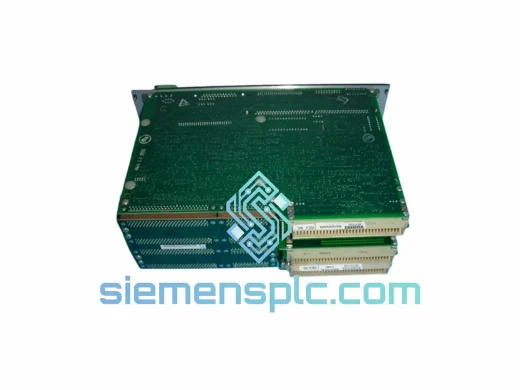
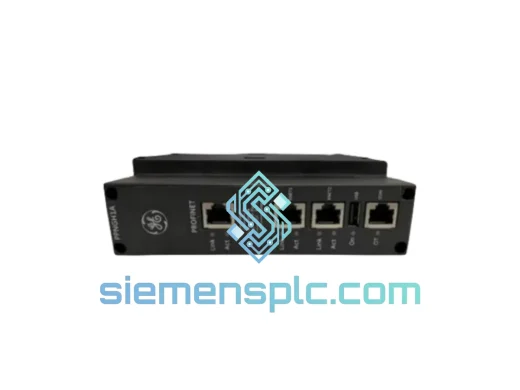
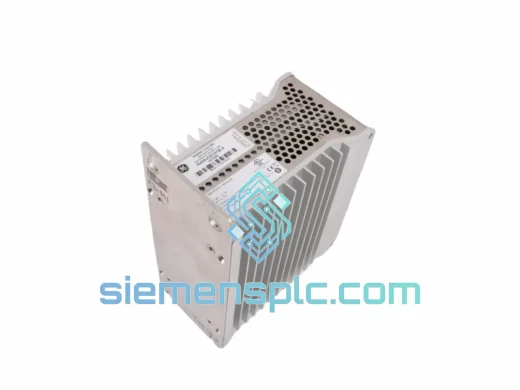
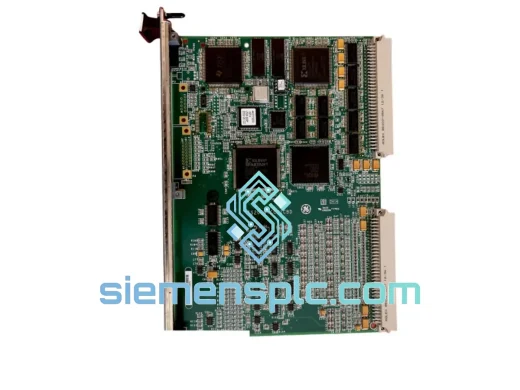
GE IS200VTCCH1CBD Thermocouple Processor Board – Mark VI IS200 Series
Mark VI
Origin US
Thermocouple Processor Board
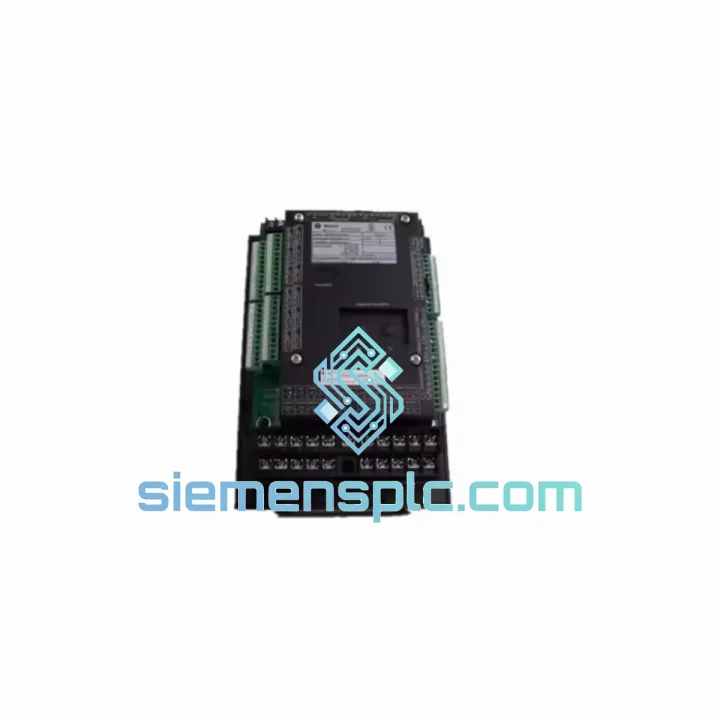
Request verified availability, condition, replacement risk review, packing options and courier lead time for IS200STCIH2AED.
Click Request Quote and the part number is inserted into the inquiry form automatically.
Core fields for model confirmation and RFQ routing. Detailed product narrative remains below.
Your Mark VI Speedtronic panel is down. The IS200STCIH2AED STCI card has failed. The turbine is locked out. Operations are calling every 15 minutes. You don’t need a sales pitch — you need the part on a plane tonight. We stock the GE IS200STCIH2AED in Xiamen and ship same-day via DHL Express or FedEx Priority. Most destinations in Southeast Asia, the Middle East, and Europe receive delivery within 48–72 hours of order confirmation. That’s the difference between a 3-day outage and a 3-week procurement nightmare.
URGENT REQUIREMENT? Contact: [email protected] | WhatsApp: +86 18359268345
| Parameter | Specification |
|---|---|
| Part Number | IS200STCIH2AED |
| Manufacturer | GE (General Electric) – Power Conversion |
| Platform | Mark VI Speedtronic Turbine Control System |
| Module Function | Signal Termination & Control Interface (STCI) |
| Hardware Revision | H2AED |
| Form Factor | VME-compatible plug-in card |
| Supply Voltage | 24 VDC via Mark VI backplane |
| Operating Temperature | 0°C to +60°C |
| Storage Temperature | -40°C to +85°C |
| Humidity | 5%–95% RH, non-condensing |
| I/O Interface | Analog + discrete via field terminal blocks |
| Backplane Bus | Mark VI internal VME bus |
| Compliance | CE, UL, IEC 61508 SIL-capable |
| Country of Origin | USA |
| Stock Status | ✅ Ready to Ship – Xiamen Warehouse |
| Warranty | 12 months against manufacturing defects |
After ten years of field work on Mark VI panels across gas turbine sites in the Middle East, Southeast Asia, and North Africa, here’s what actually happens when an IS200STCIH2AED fails — and what you need to do about it.
Common Failure Signatures:
Replacement Procedure — Step by Step:
Gas turbine control rooms are not clean environments. Vibration from the turbine deck transmits through the panel structure. Ambient temperatures in Middle Eastern and Southeast Asian installations regularly exceed 45°C in summer. Coastal and offshore sites introduce salt-laden humidity that accelerates corrosion on PCB traces and connector contacts.
The IS200STCIH2AED was engineered for exactly these conditions. The H2AED revision specifically addresses field-reported issues from earlier STCI variants: the updated EMI shielding reduces susceptibility to radiated interference from nearby VFDs and high-current switchgear. The VME connector uses gold-plated contacts rated for 500+ insertion cycles — critical for panels that undergo frequent maintenance interventions. The PCB conformal coating provides protection against humidity and condensation, which is particularly relevant for panels located in turbine enclosures where temperature cycling causes repeated condensation events.
Thermal performance is validated across the full 0°C to +60°C operating range with no derating. In practice, Mark VI panels with adequate forced-air cooling maintain internal temperatures well within this envelope even in extreme ambient conditions. If your panel lacks adequate cooling and internal temperatures are approaching the upper limit, address the cooling system before replacing the STCI card — thermal stress is a primary driver of premature card failure in this platform.
Each IS200STCIH2AED unit we ship has been visually inspected, subjected to board-level continuity verification, and functionally tested. Units are stored in ESD-controlled conditions and shipped in anti-static packaging with foam-lined cartons to survive the rigors of international air freight.
Our warehouse is located in Xiamen, Fujian Province — one of China’s primary export hubs with direct access to DHL, FedEx, and UPS international gateways. This is not a drop-ship operation. The IS200STCIH2AED is physically on our shelf.
Typical transit times from Xiamen:
Orders confirmed before 14:00 CST ship same day. Export documentation — commercial invoice, packing list, and certificate of origin — is prepared and submitted to customs within 2 hours of shipment. We have extensive experience with industrial component export classifications and can advise on HS code declarations to minimize customs clearance delays at your destination. Full tracking information is provided immediately upon shipment, with proactive updates if any transit exceptions occur.
For critical emergency shipments, we can arrange charter courier services for next-flight-out delivery to major international hubs. Contact us directly to discuss options if your situation requires it.
Email: [email protected]
WhatsApp: +86 18359268345
Web: siemensplc.com
© 2026 siemensplc.com. All rights reserved.
We check the full part number, brand, series and visible nameplate information before quotation.
Sales confirms stock path, condition option, quantity and realistic lead time for export dispatch.
DHL, FedEx, UPS or buyer courier arrangements can be reviewed with packing requirements.
Similar brand or category products for fast comparison and multi-item RFQ lists.