Honeywell
RFQ Ready
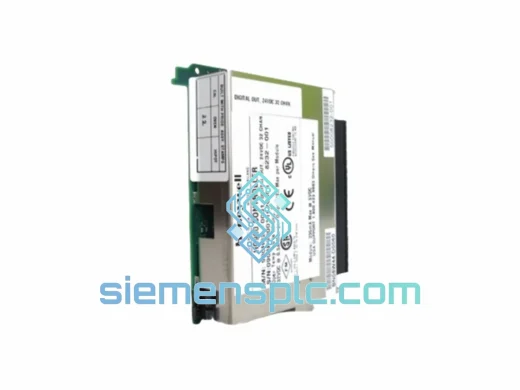
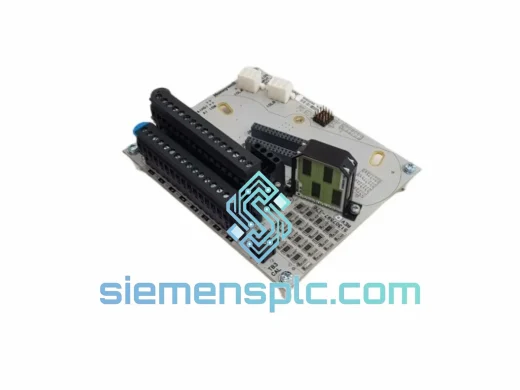
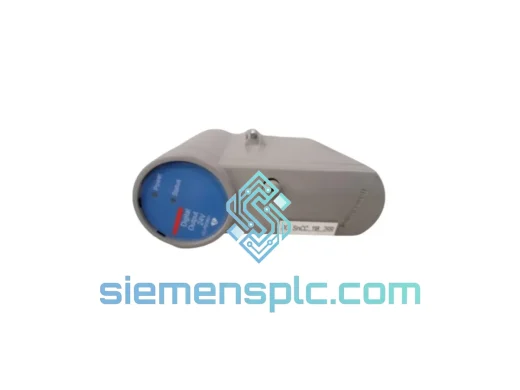
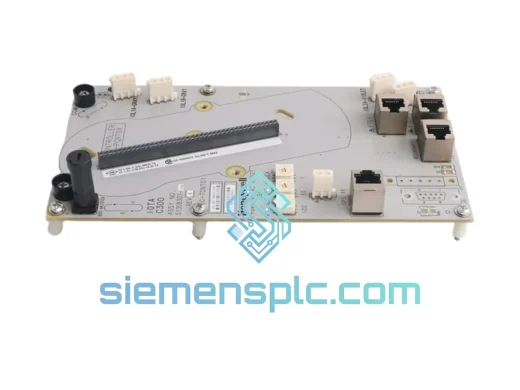
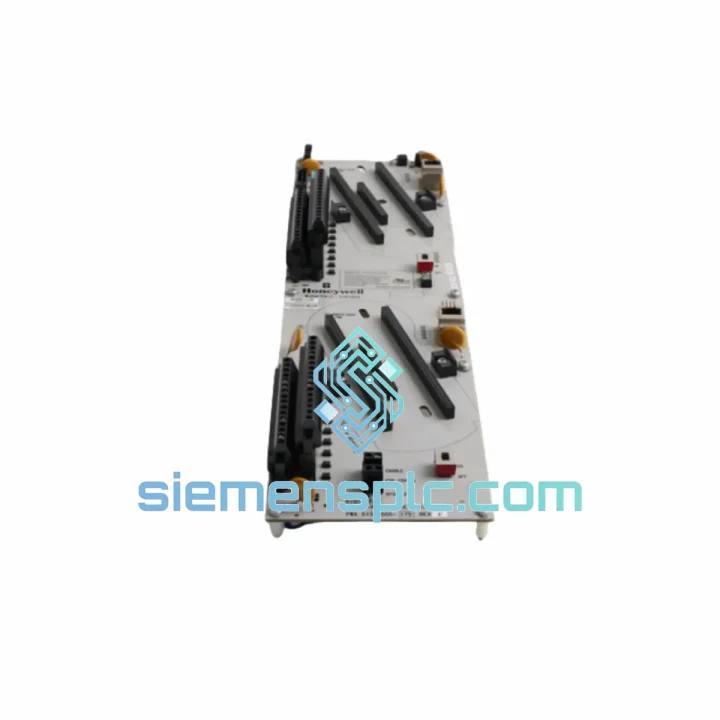
HONEYWELL CC-TCNT01 51308307-175 DCS I/O Termination Assembly
cc-
Origin US
DCS I/O Termination Assembly
Request verified availability, condition, replacement risk review, packing options and courier lead time for CC-TDOR11.
Click Request Quote and the part number is inserted into the inquiry form automatically.
Core fields for model confirmation and RFQ routing. Detailed product narrative remains below.
Every hour your TPS DCS sits offline, the losses compound — lost throughput, idle crews, contractual penalties. The Honeywell CC-TDOR11 Digital Output Relay IOTA is in stock at our Xiamen warehouse right now. We ship same day via DHL Express or FedEx International Priority. That’s the difference between a 6-hour recovery and a 6-week procurement nightmare.
We’ve handled enough emergency callouts to know: when a relay IOTA fails mid-shift, you don’t have time for distributor lead-time quotes. You need a unit on a plane tonight. That’s exactly what we do.
URGENT REQUIREMENT? Contact: [email protected] | WhatsApp: +86 18359268345
| Parameter | Specification |
|---|---|
| Part Number | CC-TDOR11 |
| Manufacturer | Honeywell Process Solutions |
| Module Type | Digital Output Relay IOTA (Termination Assembly) |
| Platform | Honeywell TPS (TotalPlant Solution) DCS |
| Output Type | Relay – dry contact, Form-C (SPDT) |
| Channel Count | 16 discrete relay output channels |
| Field Termination | Screw-type terminal blocks, 18–14 AWG |
| Module Interface | I/O Link bus via plug-in relay output module |
| Isolation | Channel-to-channel & channel-to-bus galvanic isolation |
| Operating Temperature | 0°C to 60°C |
| Storage Temperature | -40°C to 85°C |
| Humidity | 5%–95% RH, non-condensing |
| Power Supply | Via backplane / I/O carrier |
| Mounting | TPS I/O cabinet carrier / DIN rail |
| Country of Origin | USA |
| Compliance | CE, UL (per TPS system certification) |
| Availability | ✅ Ready to Ship – Xiamen Stock |
Most common failure signatures on CC-TDOR11:
Replacement procedure — field-tested steps:
Firmware note: The CC-TDOR11 IOTA carries no firmware — it is a passive termination assembly. No firmware matching or download is required. Compatibility is determined solely by the relay output module and the TPS I/O carrier slot type.
Process plants don’t offer climate-controlled conditions. The CC-TDOR11 was engineered for the realities of a refinery cabinet: ambient temperatures that swing from pre-dawn cold to mid-afternoon heat soak, humidity from coastal or tropical sites, and vibration from nearby rotating equipment and structural resonance.
The relay contacts are rated for industrial duty cycles — not the light-duty relays found in building automation. The screw-terminal field connections resist loosening under vibration better than spring-cage alternatives in high-cycle applications. The galvanic isolation between field and bus sides means that a field-side transient — inductive kickback from a solenoid, a lightning-induced surge on a long cable run — is blocked before it can reach the I/O Link bus or the controller card.
Units sourced through our Xiamen facility undergo incoming inspection: visual check for physical damage, label and date-code verification, and continuity testing across all 16 relay contact pairs. We do not ship units with cracked housings, corroded terminals, or missing module connectors. Anti-static packaging and foam-lined cartons protect the IOTA through the express freight journey from our warehouse to your site.
Our dispatch hub is in Xiamen, China — a major international freight gateway with daily DHL Express and FedEx International Priority departures. Here’s how a typical emergency order moves:
We’ve shipped CC-TDOR11 units to refineries in the Middle East, chemical plants in Southeast Asia, and power stations in Europe. The logistics process is repeatable and reliable. Your procurement team will receive all documentation needed for import clearance without chasing us for paperwork.
📧 Email: [email protected]
💬 WhatsApp: +86 18359268345
🌐 Web: siemensplc.com
© 2026 siemensplc.com. All rights reserved.
We check the full part number, brand, series and visible nameplate information before quotation.
Sales confirms stock path, condition option, quantity and realistic lead time for export dispatch.
DHL, FedEx, UPS or buyer courier arrangements can be reviewed with packing requirements.
Similar brand or category products for fast comparison and multi-item RFQ lists.