Siemens PLC sourcing desk · Multi-brand automation spares [email protected] +86 18359268345
Request Quote
Honeywell In Stock OK

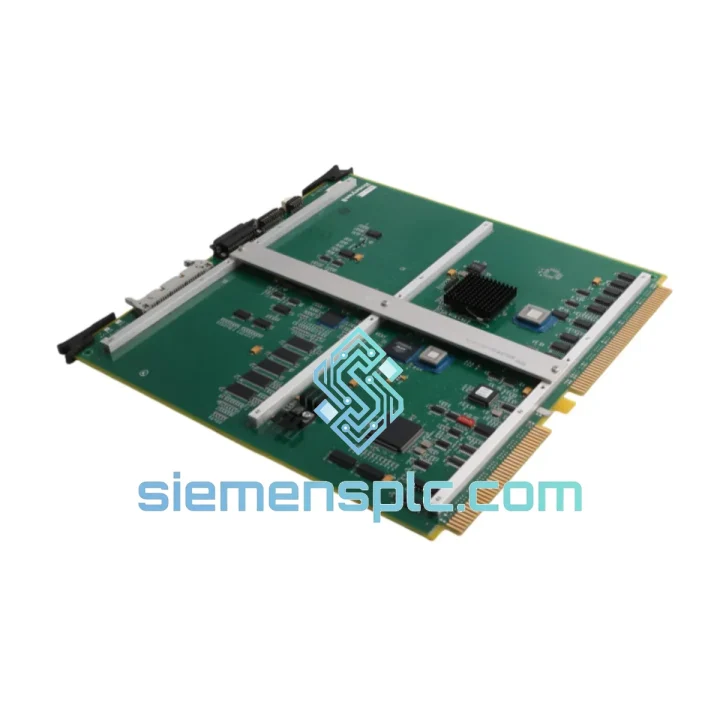
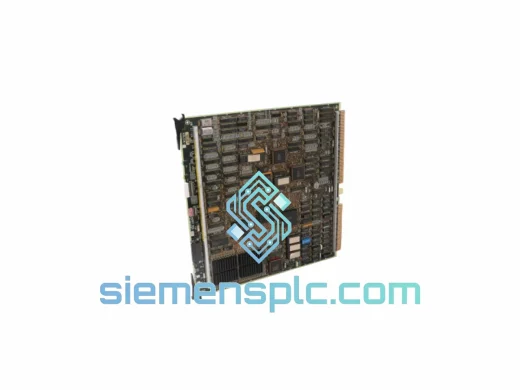
Honeywell K4LCN-16 51403519-160 LCN Interface Module

Request verified availability, condition, replacement risk review, packing options and courier lead time for K4LCN-16.

Exact partK4LCN-16 RFQ auto-fillPart number attached Export packingDHL / FedEx / UPS Sales replyEmail or WhatsApp
BrandHoneywell Part NumberK4LCN-16 ConditionAvailability Check Lead TimeRFQ Confirmation DocumentsDatasheet / photos by RFQ ShippingExport packing available
Auto-filled RFQ K4LCN-16

Click Request Quote and the part number is inserted into the inquiry form automatically.

Procurement Data

Key Product Information

Core fields for model confirmation and RFQ routing. Detailed product narrative remains below.

Brand
Honeywell
Primary Part Number
K4LCN-16
Product Type
LCN Interface Module
Series / Family
TDC 3000
Manufacturer
Honeywell Process Solutions
Country of Origin
US
Catalog Category
Communication
Humidity
5% to 95% RH, non-condensing
Warranty
90-Day Functional Warranty
Model confirmed for inquiry K4LCN-16 Send quantity, destination and urgency. The RFQ form keeps this part number attached.
Request Quote
Product Overview

K4LCN-16 / 51403519-160 — Every Hour of LCN Downtime Costs You More Than This Module

Your TDC 3000 LCN highway just dropped a node. The board is dead. Production is at zero. You’ve already called Honeywell — lead time is 8 to 14 weeks. That’s not an option. We stock the K4LCN-16 (51403519-160) in Xiamen, tested, boxed, and ready to clear customs today. One call and this module is on a DHL flight tonight.

URGENT REQUIREMENT? Contact: [email protected] | WhatsApp: +86 18359268345

Quick Technical Datasheet

Manufacturer Honeywell Process Solutions
Part Number K4LCN-16
Honeywell P/N 51403519-160
Module Function Local Control Network (LCN) Interface Module
Platform Honeywell TDC 3000 / TPS Distributed Control System
Network Architecture LCN Highway (token-passing coaxial, 5 Mbps)
Form Factor Rack-mount card module, standard TDC 3000 cabinet slot
Compatible Nodes AM, HM, US, GUS, UCN Gateway, NIM
Operating Temp 0°C to +60°C
Humidity 5% to 95% RH, non-condensing
Weight 820 g
Country of Origin USA
Condition Surplus / Refurbished — Functionally Tested
Warranty 90-Day Functional Warranty
Stock Status Ready to Ship — Xiamen Warehouse

Troubleshooting & Replacement Tips

Fifteen years of field calls on TDC 3000 systems teach you the same lessons over and over. Here’s what actually matters when you’re swapping a K4LCN-16 at 2 AM with a plant manager breathing down your neck.

Common Failure Signatures

  • LCN Node Lost / Offline alarm on GUS: The K4LCN-16 is the first suspect. Check the module’s LED status — a solid amber with no green heartbeat blink means the LCN transceiver has failed, not the backplane. Swap the card before chasing cable faults.
  • Intermittent node dropouts, especially during high-load periods: Capacitor aging on the DC-DC converter section. The module will pass bench tests but fail under thermal load. Replace proactively if the unit is over 10 years old and showing any dropout pattern.
  • Node comes online then drops within 60 seconds: Firmware revision mismatch. The 51403519-160 revision requires LCN firmware R500 or later. If your system is running an earlier revision, the module will handshake then reject. Confirm your system’s LCN software load before installing.
  • All nodes on one LCN segment drop simultaneously: This is not a K4LCN-16 failure — this is a coaxial terminator or trunk cable fault. Don’t replace modules until you’ve verified 75-ohm termination at both ends of the LCN segment.

Step-by-Step Hot-Swap Procedure

  1. Notify the control room. Even if the node is already offline, operators need to know a physical swap is occurring. Log the event in your maintenance system.
  2. Verify slot address. The K4LCN-16 does not use DIP switches for node addressing — the node address is assigned via the LCN configuration database (LCNDB). Confirm the replacement module’s slot position matches the failed unit’s LCNDB entry exactly. Inserting into the wrong slot will cause an address conflict and take down adjacent nodes.
  3. Power down the cabinet slot if possible. TDC 3000 supports hot insertion, but on aging backplanes with oxidized connectors, a cold swap reduces the risk of backplane transient damage. If the plant cannot tolerate a slot power interruption, proceed with hot swap but have a second module staged.
  4. Seat the module firmly. The K4LCN-16 uses a dual-latch card ejector. Both latches must click fully. A partially seated module will show intermittent LCN errors that are extremely difficult to diagnose remotely.
  5. Observe LED sequence on power-up. Normal boot: red → amber → green (steady) → green (blinking heartbeat). If the module stops at amber, the LCN firmware load is not completing — check the LCNDB configuration and firmware revision compatibility.
  6. Verify node status on GUS. The node should appear online within 90 seconds of module insertion. Run a full LCN diagnostic from the engineer’s console to confirm communication integrity before returning the loop to automatic control.
  7. Document the swap. Record the replaced module’s serial number, the new module’s serial number, and the date. TDC 3000 systems in regulated industries (pharma, refining) require this for audit trails.

Configuration Notes

  • No DIP switch or jumper configuration is required on the K4LCN-16 itself — all addressing is software-defined via the LCNDB.
  • If replacing a module in a redundant LCN configuration, bring the replacement online on the secondary LCN segment first, verify communication, then switch primary traffic over before removing the failed unit.
  • Firmware matching: 51403519-160 is compatible with TDC 3000 R500 through R683 software loads. For R400 and earlier systems, source the 51403519-150 revision instead.

Reliability in Harsh Conditions

The K4LCN-16 was designed for continuous operation inside TDC 3000 cabinets in environments that would destroy consumer-grade electronics within weeks. Honeywell’s original design spec called for operation in ambient temperatures up to 60°C, with vibration tolerance to IEC 68-2-6 standards — the kind of mechanical stress found in compressor buildings and turbine halls where the floor never stops moving.

Every surplus unit we ship has been inspected for the failure modes that harsh environments accelerate: electrolytic capacitor bulging from thermal cycling, PCB trace corrosion from humidity ingress, and connector pin oxidation from years of industrial atmosphere exposure. Units that show any of these indicators are rejected before they reach our shipping bench. What leaves our warehouse has been bench-tested under load, not just visually inspected.

We also apply conformal coating inspection — Honeywell applied a protective coating to the K4LCN-16 PCB at the factory. Any unit showing coating delamination or evidence of prior rework without re-coating is flagged. Coating integrity is the difference between a module that runs for another decade and one that fails six months after installation in a humid coastal plant.

Anti-static packaging with a humidity indicator card is standard on every shipment. If the indicator shows exposure during transit, we want to know — and we’ll replace the unit, no questions asked.

Global Express Logistics

Our warehouse is in Xiamen, Fujian — one of China’s primary export hubs with direct DHL and FedEx gateway access. When you place an order before 18:00 CST, the module ships the same business day. Here’s what the timeline looks like in practice:

  • Day 0 (Order Confirmed): Module pulled from shelf, tested one final time, packed in anti-static foam with humidity indicator. Commercial invoice and packing list generated. DHL/FedEx pickup scheduled for same-day evening collection.
  • Day 1: Departs Xiamen via DHL Express or FedEx International Priority. Customs pre-clearance documentation submitted electronically.
  • Day 2–3: Arrives at destination country hub. Customs clearance typically completes within 4–8 hours for industrial components with proper HS code documentation (HS 8537.10 or 8543.70 depending on destination customs authority).
  • Day 3–4: Delivery to your facility. For remote sites, we recommend using a freight forwarder’s local address as the delivery point to avoid rural surcharges and delays.

We ship to over 60 countries. Destinations with established DHL/FedEx infrastructure — USA, Germany, Singapore, UAE, Australia, South Korea, India — consistently hit the 3–4 day window. For destinations with more complex customs environments, we provide all necessary documentation proactively: certificate of origin, material safety data (non-hazardous declaration), and end-user statement if required by export control regulations.

For orders requiring air freight consolidation or sea freight for larger BOM quantities, contact us directly. We work with licensed freight forwarders and can arrange door-to-door service with full tracking visibility.

Contact Information

📧 Email: [email protected]
💬 WhatsApp: +86 18359268345
🌐 Web: siemensplc.com
© 2026 siemensplc.com. All rights reserved.

Ready to quote

Send This Part Number to Sales

[email protected]
RFQ workflow

Confirmation Process

Quality workflow ->
01Model confirmation

We check the full part number, brand, series and visible nameplate information before quotation.

02Availability reply

Sales confirms stock path, condition option, quantity and realistic lead time for export dispatch.

03Packing & courier

DHL, FedEx, UPS or buyer courier arrangements can be reviewed with packing requirements.