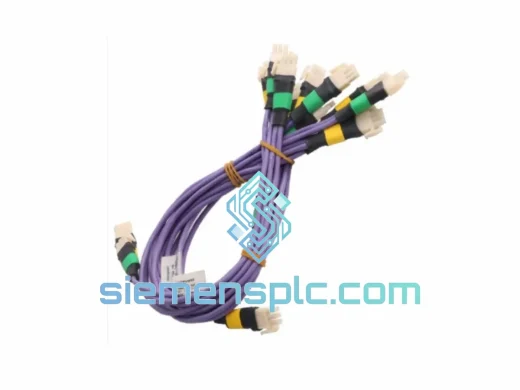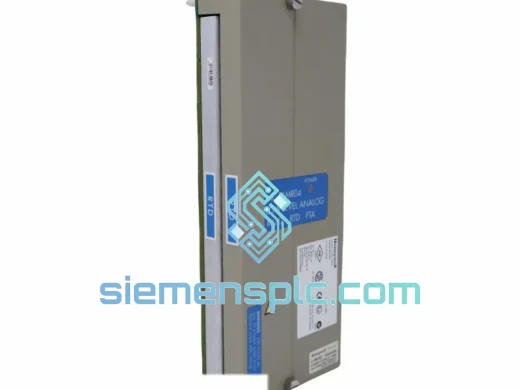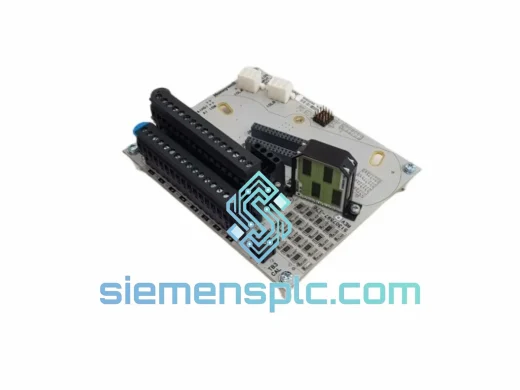
Honeywell
RFQ Ready
Honeywell DC-TAIX01 Analog Input Module
TDC 3000
Origin US
DCS Analog Input Module
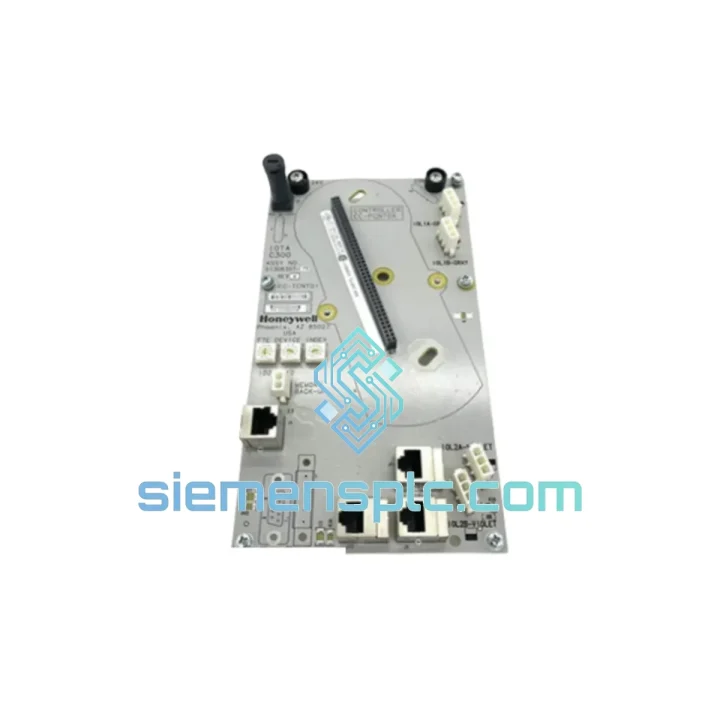
Request verified availability, condition, replacement risk review, packing options and courier lead time for TC-PCICO1K.
Click Request Quote and the part number is inserted into the inquiry form automatically.
Core fields for model confirmation and RFQ routing. Detailed product narrative remains below.
Every minute a TPS / TDC 3000 node sits offline, your plant is bleeding money. Flow totals drift, batch records break, and your operations team is staring at a blank faceplate. The TC-PCICO1K Pulse Counter I/O Module is the exact card that puts your loop back in service — and we have it on the shelf right now, tested, documented, and ready to clear customs before your next shift change.
We are not a catalogue site. We are a stocking distributor with a warehouse in Xiamen, China, staffed by engineers who have pulled these cards from live TPS cabinets. When you send us a purchase order at 11 PM, we are already packing the box.
URGENT REQUIREMENT? Contact: [email protected] | WhatsApp: +86 18359268345
| Part Number | TC-PCICO1K ✅ Ready to Ship |
| Manufacturer | Honeywell Process Solutions |
| Platform / Series | TotalPlant Solution (TPS) / TDC 3000 |
| Module Function | Pulse Counter Input / Output (I/O) |
| Input Signal Types | Contact closure, TTL, voltage pulse (5–24 VDC) |
| Counting Mode | High-speed pulse accumulation, totalization, batch preset |
| Output Function | Digital output — control relay or alarm trigger |
| Backplane Interface | TPS Local Control Network (LCN) I/O Link |
| Chassis Compatibility | TPS I/O card cage (single-slot form factor) |
| Operating Temperature | 0 °C to 60 °C (32 °F to 140 °F) |
| Power Source | TPS backplane-supplied (no external PSU required) |
| Certifications | CE, UL — verify revision against Honeywell datasheet |
| Origin | Xiamen, China — DHL / FedEx Express dispatch |
| Warranty | 90-day functional warranty, test report included |
Common failure signatures for TC-PCICO1K:
Step-by-step replacement procedure (field-tested):
Configuration note — no DIP switches, but firmware matters: Unlike older TDC 3000 I/O cards that required manual address selection via rotary switches, the TC-PCICO1K uses automatic slot addressing via the LCN backplane. The only configuration variable that will cause a rejection is a firmware revision mismatch. Always confirm the firmware suffix (e.g., TC-PCICO1K/R110) before ordering a replacement.
TPS systems were engineered for continuous operation in environments that would destroy consumer-grade electronics. The TC-PCICO1K reflects that design philosophy. The card’s PCB uses conformal coating on all signal traces, providing a moisture barrier rated for operation in relative humidity up to 95% non-condensing — a real-world requirement in coastal refineries and tropical chemical plants where cabinet door seals degrade over time.
Vibration tolerance is validated to IEC 60068-2-6 test profiles, covering the 5–150 Hz frequency range at 1 g acceleration — sufficient for installation in pump rooms and compressor buildings where structural vibration is a daily reality. The card-edge connector uses gold-plated contacts with a wipe-action design that maintains electrical continuity even when the chassis experiences minor thermal expansion and contraction cycles across a 24-hour day-night temperature swing.
Thermal management is passive — no fans, no moving parts. The card dissipates heat through the chassis backplane and card cage airflow. In installations where cabinet cooling has degraded, the TC-PCICO1K will typically show intermittent COMM errors before a hard failure, giving maintenance teams a warning window to act. If you are seeing unexplained intermittent faults on a card that passes bench testing, check the cabinet ambient temperature before replacing the module.
Every unit we ship has been stored in a climate-controlled warehouse in Xiamen. Cards are individually bagged in anti-static ESD packaging with silica gel desiccant. We do not stack cards loose in bins. When your replacement arrives, it is in the same condition it left the original plant — or better, because we have cleaned the contacts and run a power-on functional test before it left our facility.
Our warehouse is located in Xiamen, Fujian Province — one of China’s primary export hubs with direct access to Xiamen Gaoqi International Airport and the Port of Xiamen. This geography is not accidental. It means your urgent order moves from our shelf to an international carrier in hours, not days.
Standard express routing:
For plant turnaround situations where every hour counts, we offer same-day dispatch on orders confirmed before 14:00 CST (UTC+8). We will send you the AWB tracking number within two hours of handover to the carrier. If your freight forwarder requires a specific carrier account number for billing, we accommodate that — just include it in your purchase order.
All shipments include full commercial documentation for customs clearance. We have shipped to over 40 countries and understand the import requirements for industrial automation components in each major market. We will not let a paperwork error hold your part at customs when your plant is down.
📧 Email: [email protected]
💬 WhatsApp: +86 18359268345
🌐 Web: siemensplc.com
© 2026 siemensplc.com. All rights reserved.
We check the full part number, brand, series and visible nameplate information before quotation.
Sales confirms stock path, condition option, quantity and realistic lead time for export dispatch.
DHL, FedEx, UPS or buyer courier arrangements can be reviewed with packing requirements.
Similar brand or category products for fast comparison and multi-item RFQ lists.