VIPA
In Stock OK
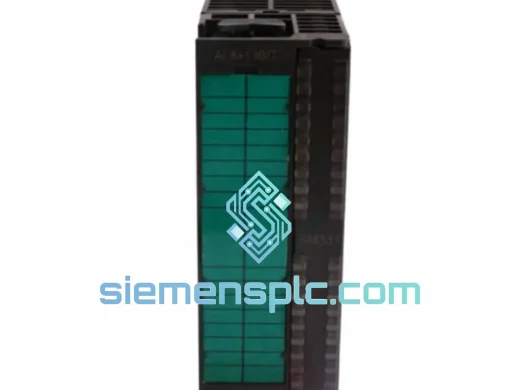
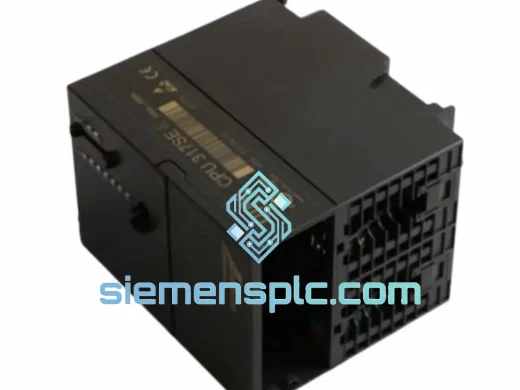
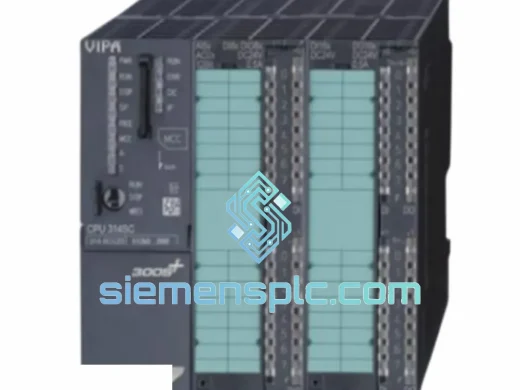
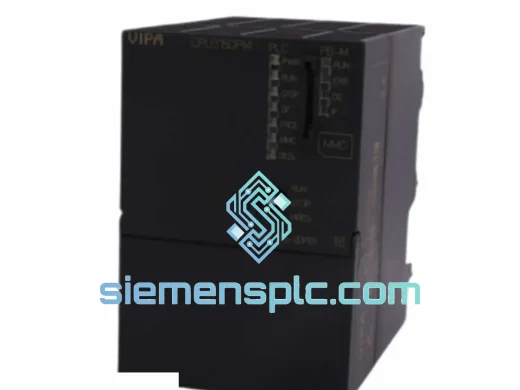
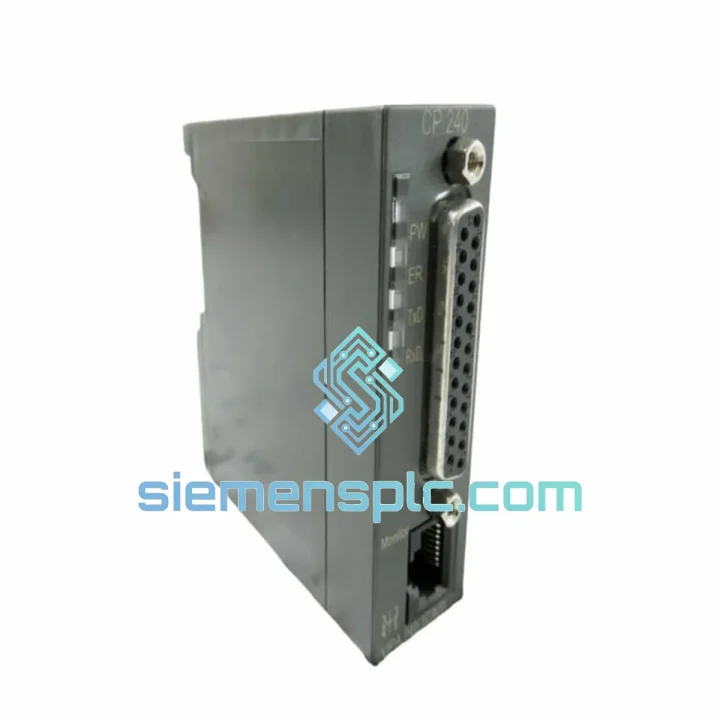
VIPA 315-2AG12 CPU315SB PLC CPU Module
Request verified availability, condition, replacement risk review, packing options and courier lead time for 315-2AG12.
BrandVIPA
Part Number315-2AG12
ConditionAvailability Check
Lead TimeRFQ Confirmation
DocumentsDatasheet / photos by RFQ
ShippingExport packing available
Auto-filled RFQ
315-2AG12
Click Request Quote and the part number is inserted into the inquiry form automatically.
- Reply by email: [email protected]
- WhatsApp / Tel: +86 18359268345
- Mon-Sat 9:00-18:00 GMT+8
Procurement Data
Key Product Information
Core fields for model confirmation and RFQ routing. Detailed product narrative remains below.
- Brand
- VIPA
- Primary Part Number
- 315-2AG12
- Product Type
- PLC CPU Module
- Product Family
- Other series
- Manufacturer
- VIPA (Yaskawa)
- Country of Origin
- DE
- Catalog Category
- Communication
- Operating Temp.
- 0 °C to +60 °C
Model confirmed for inquiry
315-2AG12
Send quantity, destination and urgency. The RFQ form keeps this part number attached.
Request Quote
Product Overview
VIPA 315-2AG12 CPU315SB: Stop the Clock on Your Downtime — Ship Today
Every minute your line is down, you’re bleeding money. A failed CPU315SB doesn’t just halt production — it triggers cascading delays across scheduling, logistics, and customer commitments. We stock the VIPA 315-2AG12 CPU315SB precisely for this moment. No waiting on distributor lead times. No back-and-forth with regional warehouses. One call, one confirmed unit, one shipment out of Xiamen within 24 hours.
This is not a generic listing. The 315-2AG12 is a SPEED7-core PROFIBUS-DP processor built for the VIPA 300S platform — a module that sits at the heart of thousands of running installations in automotive, chemical, water treatment, and packaging plants worldwide. When it fails, there is no workaround. You need the exact part, fast.
URGENT REQUIREMENT? Contact: [email protected] | WhatsApp: +86 18359268345
Quick Technical Datasheet
| Parameter | Value |
|---|---|
| Manufacturer | VIPA (Yaskawa) |
| Full Part Number | 315-2AG12 |
| CPU Designation | CPU315SB |
| Series | SPEED7 300S |
| Module Type | DPM Processor (Dual-Port Memory) |
| Communication | PROFIBUS-DP Master / Slave |
| Form Factor | S7-300 compatible DIN rail mount |
| Programming Tools | STEP 7 v5.x / VIPA SPEED7 Studio |
| Operating Voltage | DC 24 V (via backplane) |
| Memory | 512 KB work memory (SPEED7 extended) |
| Cycle Time | <0.1 ms / 1000 instructions (SPEED7 core) |
| DP Interface | RS-485, up to 12 Mbit/s |
| Operating Temperature | 0 °C to +60 °C |
| Storage Temperature | -40 °C to +85 °C |
| Protection Class | IP20 |
| Weight | approx. 380 g (module only) |
| Stock Status | ✔ Ready to Ship — Xiamen Warehouse |
Troubleshooting & Replacement Tips
Common failure signatures on the 315-2AG12:
- SF/BF LED solid red on power-up: Most often a corrupted MMC (Micro Memory Card). Before condemning the CPU, swap the MMC with a known-good card and attempt a cold restart. If the CPU boots cleanly, the card — not the module — was the culprit.
- DP bus fault (BF LED flashing): Check termination resistors at both ends of the PROFIBUS segment. A failed CPU can corrupt the DP telegram framing and cause all slaves to drop simultaneously. Isolate the segment and test with a DP analyzer before assuming the CPU is the root cause.
- CPU goes to STOP immediately after RUN command: Typically a program block checksum error or an OB missing for a configured interrupt. Connect STEP 7 online, read the diagnostic buffer ( DIAGNOSTICS → Module Information → Diagnostic Buffer), and identify the exact OB/error code before swapping hardware.
- Intermittent STOP cycles under load: Suspect watchdog timeout caused by excessive cycle time. Check OB1 cycle time in the diagnostic buffer. If cycle time exceeds the configured watchdog limit, the CPU self-stops as a safety measure — this is not a hardware fault.
Step-by-step replacement procedure:
- Place the CPU in STOP mode. Confirm all outputs are de-energized and safe to proceed.
- Document the current MMC contents — back up the project from STEP 7 online if the MMC is not already a copy of the offline project.
- Note the rotary address switch setting on the front of the module (if fitted). The 315-2AG12 uses a fixed MPI address set via software, but verify the physical switch position matches your network configuration.
- Power down the rack. Remove the MMC before extracting the CPU — the card is retained in the replacement unit’s slot.
- Seat the replacement 315-2AG12 firmly into the rack. Torque the bus connector screws to 0.8 Nm.
- Insert the original MMC into the new CPU. Power up. The CPU will perform a memory reset and load the program from the MMC automatically.
- Switch to RUN. Monitor the diagnostic buffer for the first 5 minutes of operation. Confirm DP slaves are communicating (BF LED off, all slave status green in HW Config).
- If the CPU was running a firmware version older than the replacement unit, verify that all SFBs and SFCs used in the program are supported by the new firmware revision. VIPA publishes firmware release notes — cross-check before going live.
Configuration notes specific to the CPU315SB:
- The SPEED7 core requires the VIPA-specific hardware catalog installed in STEP 7 (VIPA_SPEED7_HW_Config_Vx.x.gsd). Without it, HW Config will not recognize the module correctly.
- DPM (Dual-Port Memory) addressing is configured in VIPA SPEED7 Studio, not in standard STEP 7 HW Config. If your system uses DPM data exchange with an external master, re-verify the DPM address map after replacement.
- MPI address default is 2. If your network uses a non-default address, set it via STEP 7 online before disconnecting the programming cable.
Reliability in Harsh Conditions
The 315-2AG12 was not designed for a climate-controlled server room. It was built for the floor — where ambient temperatures swing, coolant mist settles on enclosure walls, and forklift traffic sends vibration through every panel mount.
The SPEED7 300S platform meets IEC 61131-2 environmental requirements for industrial controllers. The PCB assembly uses conformal coating on production variants, protecting copper traces from condensation and corrosive atmospheres common in chemical and food processing environments. The backplane bus connector is gold-plated to resist oxidation in high-humidity installations — a detail that matters after five years of continuous operation in a coastal plant.
Vibration resistance is validated to 10–57 Hz at 0.075 mm amplitude and 57–150 Hz at 1 g, per IEC 60068-2-6. Shock resistance is tested to 15 g / 11 ms half-sine per IEC 60068-2-27. These are not marketing numbers — they are the same test parameters used to qualify the module for automotive body shop installations where weld guns cycle thousands of times per shift.
Thermal management relies on natural convection. The module dissipates heat through the housing fins and requires a minimum 25 mm clearance above and below in the cabinet. Installations that violate this clearance — particularly when adjacent modules run hot — account for a disproportionate share of premature CPU failures. If your original unit failed early, check cabinet airflow before installing the replacement.
EMC compliance covers EN 61000-4-2 (ESD), EN 61000-4-4 (EFT/Burst), and EN 61000-4-5 (Surge). The module is CE marked and suitable for use in Zone 2 hazardous areas when installed in a certified enclosure.
Global Express Logistics
Our dispatch warehouse is located in Xiamen, Fujian — one of China’s primary export hubs with direct access to DHL, FedEx, and UPS international gateways. This is not a drop-ship arrangement. Stock is physically on-hand, inspected, and ready to pack.
Standard express timeline from order confirmation:
- Order confirmed before 14:00 CST: Same-day dispatch. DHL Express or FedEx International Priority.
- Europe (DE, FR, NL, PL, IT): 3–5 business days door-to-door.
- North America (US, CA, MX): 4–6 business days.
- Southeast Asia (SG, TH, MY, VN): 2–4 business days.
- Middle East (AE, SA, QA): 4–6 business days.
- Australia / New Zealand: 4–6 business days.
Every shipment includes a commercial invoice with accurate HS code classification (HS 8537.10 for PLC modules), enabling smooth customs clearance. We handle export documentation including packing list, certificate of origin (if required), and ESD-safe packaging declaration for air freight compliance.
For customers in countries with import duty sensitivity, we can provide a formal proforma invoice and assist with pre-clearance documentation. DDP (Delivered Duty Paid) terms are available on request for select destinations.
Tracking numbers are issued within 2 hours of dispatch and sent directly to your registered email. For critical shipments, we recommend DHL Express with signature confirmation — we can arrange this at checkout or via direct order.
Contact Information
Email: [email protected]
WhatsApp: +86 18359268345
Web: siemensplc.com
© 2026 siemensplc.com. All rights reserved.
Ready to quote
[email protected]
Send This Part Number to Sales
RFQ workflow
Quality workflow ->
Confirmation Process
01Model confirmation
We check the full part number, brand, series and visible nameplate information before quotation.
02Availability reply
Sales confirms stock path, condition option, quantity and realistic lead time for export dispatch.
03Packing & courier
DHL, FedEx, UPS or buyer courier arrangements can be reviewed with packing requirements.
Continue sourcing
Browse full catalog ->
Related Automation Parts
Similar brand or category products for fast comparison and multi-item RFQ lists.