VIPA
In Stock OK
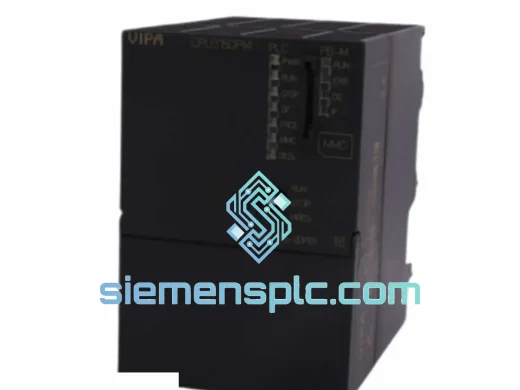
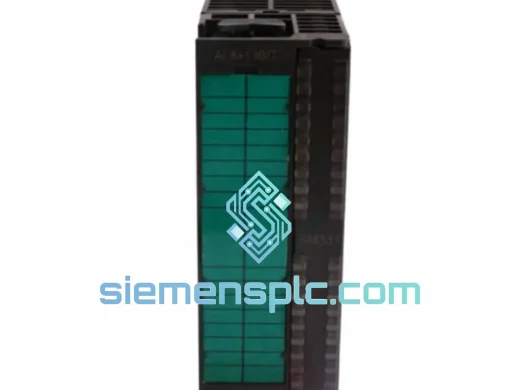
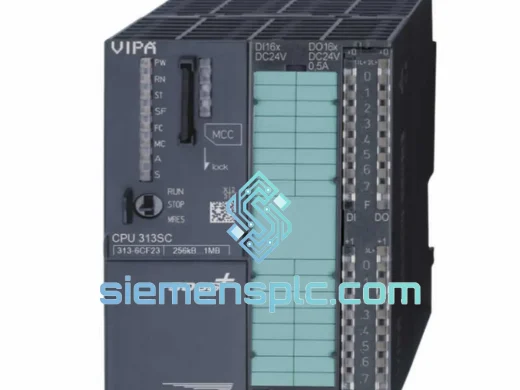
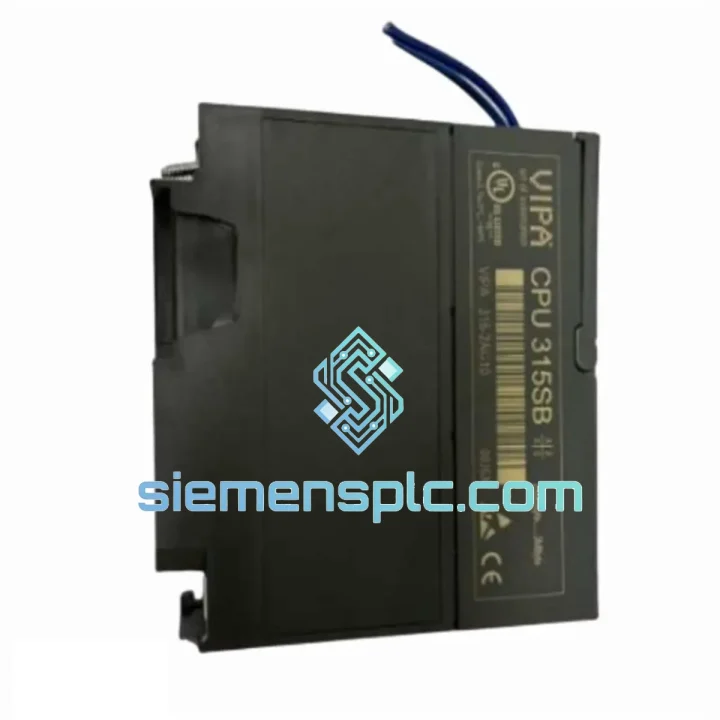
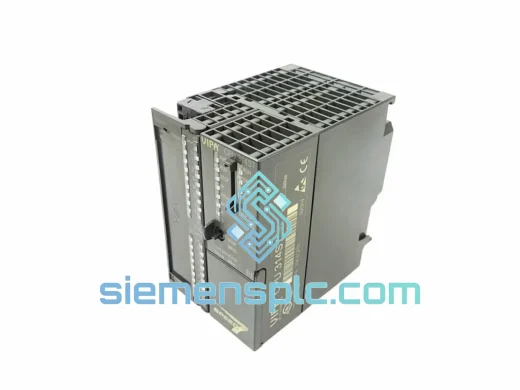
VIPA CPU 314SB 314-2AG13 PLC CPU
Request verified availability, condition, replacement risk review, packing options and courier lead time for 314-2AG13.
BrandVIPA
Part Number314-2AG13
ConditionAvailability Check
Lead TimeRFQ Confirmation
DocumentsDatasheet / photos by RFQ
ShippingExport packing available
Auto-filled RFQ
314-2AG13
Click Request Quote and the part number is inserted into the inquiry form automatically.
- Reply by email: [email protected]
- WhatsApp / Tel: +86 18359268345
- Mon-Sat 9:00-18:00 GMT+8
Procurement Data
Key Product Information
Core fields for model confirmation and RFQ routing. Detailed product narrative remains below.
- Brand
- VIPA
- Primary Part Number
- 314-2AG13
- Product Type
- PLC CPU Module
- Series / Family
- Fast Replacement
- Country of Origin
- DE
- Catalog Category
- PLCs & Controllers
- Operating Temp.
- 0 °C to +60 °C
- Warranty
- 12 months from dispatch date
Model confirmed for inquiry
314-2AG13
Send quantity, destination and urgency. The RFQ form keeps this part number attached.
Request Quote
Product Overview
VIPA CPU 314SB 314-2AG13 — Stop the Clock on Downtime: Emergency PLC CPU Replacement, Shipped Today
Every minute a production line sits idle, the losses compound — missed shipments, idle labor, contractual penalties, and the kind of pressure that turns a maintenance call into a boardroom conversation. The VIPA CPU 314SB (order number 314-2AG13) is one of the most widely deployed SPEED7-class CPUs in S7-300-compatible installations across Europe, Asia, and the Americas. When it fails, you need a verified replacement in hand — not a four-week OEM lead time. siemensplc.com maintains ready stock of the 314-2AG13 and ships globally via DHL Express and FedEx Priority from Xiamen, China, with same-day dispatch on confirmed orders received before 15:00 CST.
This page is written for the engineer on the floor, not the purchasing department. If you are reading this during an active fault condition, skip to the Troubleshooting section below. If you are building a critical spares list, the datasheet and logistics details are all here.
URGENT REQUIREMENT? Contact: [email protected] | WhatsApp: +86 18359268345
Quick Technical Datasheet
| Parameter | Specification |
|---|---|
| Order Number | 314-2AG13 |
| Series / Platform | VIPA SPEED7 / S7-300 Compatible |
| CPU Architecture | SPEED7 Proprietary High-Speed Core |
| Binary Instruction Speed | 0.6 ns per binary instruction |
| Work Memory | 512 KB (expandable via MMC) |
| Load Memory | Up to 8 MB via MMC card |
| Retentive Memory | 128 KB |
| Onboard Digital I/O | 16 DI / 16 DO (integrated) |
| Communication Interface | MPI/DP integrated; optional PROFIBUS DP |
| Programming Environment | STEP 7 v5.x / VIPA SPEED7 Studio / TIA Portal (compatibility layer) |
| Rack Compatibility | S7-300 UR1 / UR2 standard rack, Slot 2 |
| Supply Voltage | DC 24 V via backplane bus |
| Operating Temperature | 0 °C to +60 °C |
| Storage Temperature | -40 °C to +70 °C |
| Protection Rating | IP20 |
| Dimensions (W×H×D) | 40 × 125 × 130 mm |
| Weight | approx. 500 g |
| Certifications | CE, UL, cUL |
| Stock Status | ✔ Ready to Ship — Same-Day Dispatch Available |
| Lead Time (In-Stock) | Ships within 24 hours of order confirmation |
| Warranty | 12 months from dispatch date |
Troubleshooting & Replacement Tips
The 314-2AG13 fails in predictable ways. Knowing the failure signature before you pull the module saves time and prevents misdiagnosis.
Common Fault Indicators:
- SF LED solid red, BF LED off: Internal CPU hardware fault or corrupted program block. First action — attempt a memory reset (MRES). If SF persists after MRES and cold restart, the CPU core has failed. Replace the module.
- SF + BF both red: PROFIBUS DP bus fault combined with CPU error. Check DP cable continuity and termination resistors before condemning the CPU — a shorted DP segment can trigger SF on the master CPU.
- CPU in STOP mode, no fault LEDs: Check the MMC card. A corrupted or missing MMC will halt the CPU at startup without triggering SF. Swap the MMC with a known-good card loaded with the last backup program.
- Intermittent STOP/RUN cycling: Classic symptom of a failing internal power rail or capacitor degradation on aging units. Correlate with ambient temperature — if faults increase in summer or near heat sources, thermal stress is the root cause.
- Onboard DI/DO not responding, CPU in RUN: Check the front connector seating and the 24 V load supply to the DO outputs. The CPU logic can run while the output supply is absent — a common oversight after a power event.
Replacement Procedure — Critical Configuration Checks:
- MMC Transfer: The 314-2AG13 stores the user program on the MMC card, not in internal flash. Transfer the MMC from the failed unit to the replacement before powering up. If the MMC is also suspect, reload from your last STEP 7 backup via PG/PC before going live.
- MPI Address: The MPI node address is stored in the CPU’s retentive memory and on the MMC. After MMC transfer, the address is preserved. If you are loading from a fresh MMC, set the MPI address in HW Config before downloading — default is node 2, which may conflict with existing network nodes.
- Hardware Configuration Download: After physical swap, always perform a full HW Config download from STEP 7 or SPEED7 Studio. The SPEED7 CPU reads rack configuration from the downloaded SDB files — skipping this step can cause SM modules to report configuration errors even if physically identical.
- Firmware Version Check: VIPA releases firmware updates that affect SPEED7 instruction set behavior. Confirm the replacement unit’s firmware version matches the original (visible in STEP 7 → Accessible Nodes → Module Information). Mismatched firmware on a PROFIBUS DP master can cause slave initialization failures.
- Retentive Data: DB contents marked as retentive are lost on CPU replacement. If your process relies on retained setpoints or counters, restore from a data backup or HMI recipe before releasing the line.
- Standalone Mode Jumper: The 314SB supports standalone operation without a rack. If your installation uses standalone mode, verify the standalone configuration jumper on the CPU front panel matches the original unit’s setting — this is a physical jumper, not a software parameter.
Reliability in Harsh Conditions
The VIPA SPEED7 platform was not designed for climate-controlled server rooms. The 314-2AG13 is built to operate continuously in the kind of environments that shorten the life of lesser hardware.
The CPU’s conformal-coated PCB resists moisture ingress and condensation in facilities with poor HVAC control or seasonal humidity swings — a common issue in coastal manufacturing plants and tropical climates. The operating temperature ceiling of 60 °C means the module tolerates cabinet temperatures that would throttle or shut down consumer-grade computing hardware. In practice, this translates to reliable operation in steel mill control rooms, outdoor equipment enclosures with solar loading, and foundry environments where ambient temperatures routinely exceed 45 °C.
Vibration resistance is validated to IEC 60068-2-6 standards, covering the frequency ranges generated by compressors, presses, and rotating machinery mounted on the same structural frame as the control cabinet. The backplane bus connector uses a positive-locking mechanism that maintains contact integrity under continuous vibration — a failure point on older S7-300 units with worn connector springs.
EMC immunity is rated to EN 61000-6-2 (industrial immunity), covering conducted and radiated interference from variable frequency drives, welding equipment, and high-current switching loads. In installations where VFDs share a cabinet with the PLC rack, the 314-2AG13’s shielded backplane architecture provides measurable noise rejection compared to unshielded alternatives.
All units shipped by siemensplc.com undergo a pre-dispatch functional burn-in check: the CPU is powered, a test program is executed across all onboard I/O channels, and communication interfaces are verified. Units that do not pass are not shipped. This is not a paper exercise — it is the difference between a replacement that works on first power-up and one that generates a second emergency call.
Global Express Logistics
siemensplc.com operates from Xiamen, Fujian Province — one of China’s primary international freight hubs with direct air cargo connections to major industrial centers across Europe, Southeast Asia, the Middle East, and the Americas. This geographic position is not incidental; it is a deliberate operational choice that compresses transit times compared to suppliers based in inland Chinese cities.
Standard Express Routing:
- Europe (Germany, Netherlands, UK, Poland): DHL Express or FedEx International Priority — typical transit 3–5 business days door-to-door from Xiamen
- Southeast Asia (Singapore, Thailand, Vietnam, Indonesia): DHL Express — 2–3 business days; FedEx available as alternative
- Middle East (UAE, Saudi Arabia, Qatar): FedEx Priority or DHL Express — 3–4 business days
- North America (USA, Canada, Mexico): FedEx International Priority — 4–6 business days
- South Asia (India, Pakistan, Bangladesh): DHL Express — 3–5 business days
Dispatch Process: Orders confirmed with payment before 15:00 CST are packed and handed to the carrier the same business day. Each shipment includes a commercial invoice with accurate HS code classification (8537.10 for PLC modules), packing list, and certificate of origin — documentation that clears customs without delays in most jurisdictions. For customers in countries with import licensing requirements for industrial electronics, we provide pre-shipment documentation support on request.
Tracking numbers are issued within 2 hours of carrier pickup and sent directly to the contact email provided at order. For urgent shipments, our logistics team monitors the consignment through customs clearance and proactively contacts the carrier if delays are detected. This is not automated — a human being checks your shipment status.
For customers who require delivery to a freight forwarder, bonded warehouse, or specific port of entry, we accommodate custom routing instructions. Contact us before placing the order to confirm logistics arrangements.
Contact Information
Email: [email protected]
WhatsApp: +86 18359268345
Web: siemensplc.com
© 2026 siemensplc.com. All rights reserved.
Ready to quote
[email protected]
Send This Part Number to Sales
RFQ workflow
Quality workflow ->
Confirmation Process
01Model confirmation
We check the full part number, brand, series and visible nameplate information before quotation.
02Availability reply
Sales confirms stock path, condition option, quantity and realistic lead time for export dispatch.
03Packing & courier
DHL, FedEx, UPS or buyer courier arrangements can be reviewed with packing requirements.
Continue sourcing
Browse full catalog ->
Related Automation Parts
Similar brand or category products for fast comparison and multi-item RFQ lists.
VIPA
RFQ Ready
VIPA VIPA314-6CF02 PLC CPU Module
VIPA 314-6CF02 300S Series
Origin DE
PLC CPU Module