Yokogawa
RFQ Ready
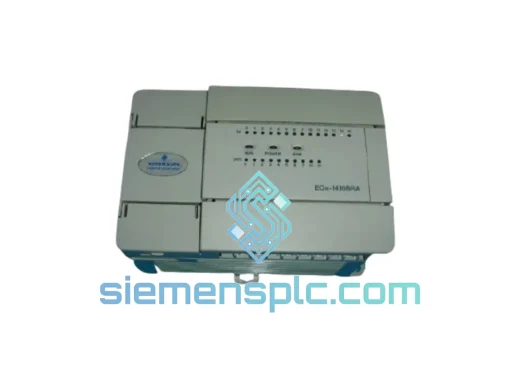
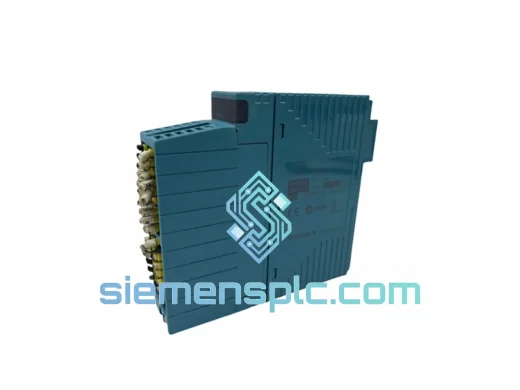
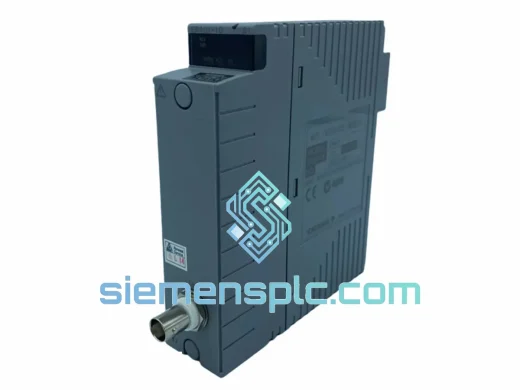
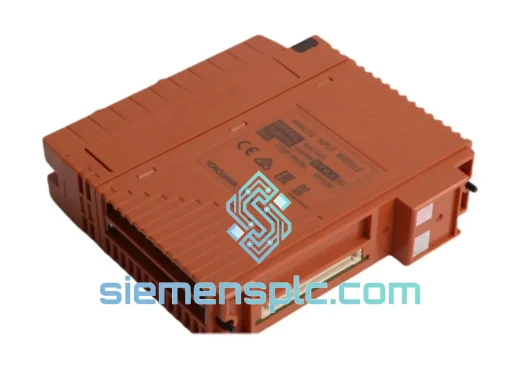
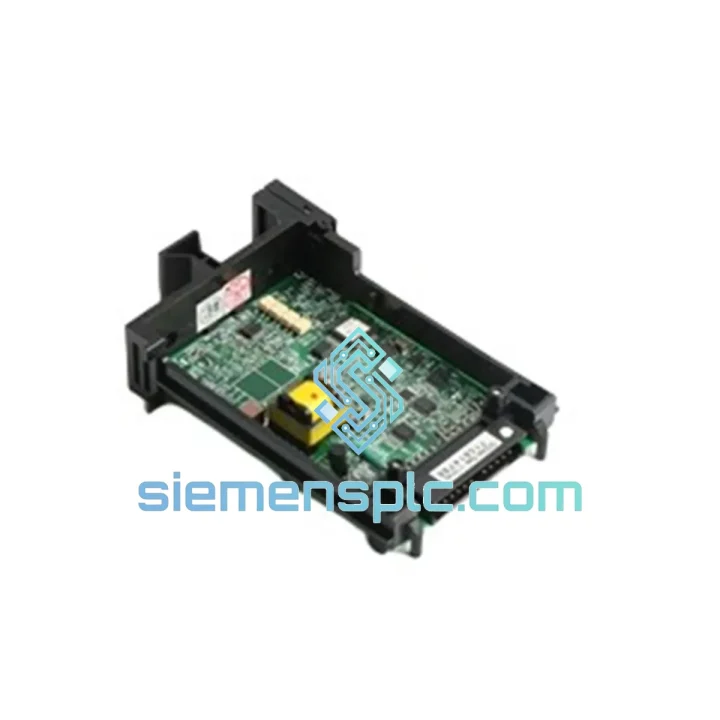
Yokogawa SAI143-H63/PRP S3 DCS Analog Input Module
CENTUM VP
Origin JP
DCS Analog Input Module
Request verified availability, condition, replacement risk review, packing options and courier lead time for ER5*C.
Click Request Quote and the part number is inserted into the inquiry form automatically.
Core fields for model confirmation and RFQ routing. Detailed product narrative remains below.
In process industries where thermal measurement underpins product quality, safety interlock logic, and regulatory compliance, the RTD input module is not a commodity line item — it is a critical path component. The YOKOGAWA ER5*C, designed for integration within the CENTUM distributed control system architecture, represents a class of hardware where procurement decisions carry direct operational consequences. A delayed replacement, a counterfeit unit, or an incompatible revision can translate into extended downtime, failed audits, or compromised process safety. This page addresses the ER5*C not merely as a product, but as a procurement management challenge — and explains how siemensplc.com resolves it.
The ER5*C is a resistance temperature detector (RTD) input module engineered for YOKOGAWA’s CENTUM platform, one of the most widely deployed DCS families across Asia-Pacific, the Middle East, and Europe. Its installed base spans refineries, LNG terminals, pharmaceutical plants, and power generation facilities — environments where the module operates continuously for years, often decades. When a unit fails or requires replacement during a planned turnaround, procurement teams face a constrained market: OEM lead times can stretch 8–16 weeks, grey-market supply carries authenticity risk, and local distributors rarely hold legacy CENTUM I/O stock. siemensplc.com was built to close exactly this gap.
📩 Request an Official Quote: [email protected] | WhatsApp: +86 18359268345
| Manufacturer | YOKOGAWA Electric Corporation |
| Model / Part Number | ER5*C |
| Module Function | RTD (Resistance Temperature Detector) Input Signal Acquisition |
| Compatible Platform | YOKOGAWA CENTUM DCS Series (CS 3000, CENTUM VP) |
| Input Sensor Types | Pt100, Pt1000, Ni100, and compatible RTD sensor configurations |
| Signal Conversion | Multi-channel resistance-to-digital conversion with high linearity |
| Country of Origin | Japan |
| Unit Weight | Approx. 100 g |
| Condition Options | New (OEM surplus), Tested Refurbished |
| Warranty | 12 months from date of shipment (new/surplus); 6 months (refurbished) |
| Standard Lead Time (in-stock) | 2–5 business days from order confirmation |
| Lead Time (sourced/located) | 7–21 business days depending on global availability; confirmed at quotation |
| Export Documentation | Commercial Invoice, Packing List, Certificate of Origin, Form E available |
| Payment Terms | T/T Bank Transfer, PayPal, Western Union, LC (for qualified buyers) |
Procurement managers evaluating the ER5*C replacement cost often focus on unit price alone. This is a structurally incomplete analysis. The true cost of an RTD input module failure — or a poorly managed replacement cycle — encompasses four distinct cost categories that siemensplc.com’s supply model is designed to minimize.
1. Downtime Cost (OPEX Impact)
For a mid-scale refinery or chemical plant, unplanned process downtime typically costs between USD 50,000 and USD 500,000 per day depending on throughput and product margin. An RTD input module failure that triggers a DCS alarm, forces a manual override, or trips a safety interlock can initiate a partial or full unit shutdown. If the replacement module is not available on-site or cannot be sourced within 24–48 hours, downtime accumulates. siemensplc.com maintains pre-positioned stock of high-demand CENTUM I/O modules and offers emergency dispatch within 24 hours for in-stock items — directly compressing the downtime window.
2. Procurement Administration Cost (CAPEX Efficiency)
Sourcing legacy CENTUM hardware through OEM channels involves formal purchase orders, extended approval cycles, and freight lead times that can exceed 12 weeks. Each week of delay carries an opportunity cost. By consolidating CENTUM I/O procurement through siemensplc.com, engineering and procurement teams reduce the number of vendor interactions, simplify invoice management, and eliminate the administrative overhead of managing multiple partial shipments. A single consolidated BOM quotation — covering RTD input modules, analog output cards, and controller spares — reduces procurement cycle time by an estimated 40–60% compared to OEM direct sourcing for legacy hardware.
3. Counterfeit and Compatibility Risk (Quality Cost)
The grey-market for YOKOGAWA CENTUM hardware contains a measurable proportion of relabeled, refurbished-as-new, or firmware-mismatched units. Installing an incompatible module revision can cause DCS configuration errors, require re-engineering of I/O assignments, or — in worst cases — introduce latent faults that surface under process load. siemensplc.com’s sourcing protocol includes physical authenticity verification, label cross-referencing against OEM documentation, and functional bench testing for refurbished units. The 12-month warranty on new/surplus stock provides a contractual backstop against latent defects — a risk mitigation instrument that grey-market suppliers cannot offer.
4. Lifecycle Extension Value
For plants operating CENTUM CS 3000 or earlier CENTUM VP configurations, OEM hardware support windows are narrowing. Migrating to a new DCS platform carries CAPEX in the range of USD 500,000 to several million dollars per control system. Extending the operational life of existing CENTUM hardware through reliable spare parts sourcing defers this capital expenditure — often by 3–7 years — while maintaining process continuity. The ER5*C, properly sourced and maintained, is a lifecycle extension instrument, not merely a replacement part.
siemensplc.com operates under a strict sourcing and verification framework designed to meet the compliance requirements of regulated industries including oil & gas, pharmaceutical, and power generation.
Xiamen, located on China’s southeastern coast in Fujian Province, is one of the country’s designated Special Economic Zones and a major international trade hub. For industrial automation component procurement, Xiamen’s logistics infrastructure offers concrete advantages that translate directly into shorter lead times and lower freight costs for global buyers.
Port Access: Xiamen Port is one of China’s top-ten container ports by throughput, with direct shipping routes to Southeast Asia, the Middle East, Europe, and the Americas. Sea freight consolidation (LCL/FCL) is available for bulk orders, with competitive transit times to Singapore (3–5 days), Dubai (12–16 days), Rotterdam (25–30 days), and Los Angeles (14–18 days).
Air Freight Hub: Xiamen Gaoqi International Airport operates direct cargo routes to major logistics hubs including Hong Kong, Singapore, Dubai, Frankfurt, and Los Angeles. DHL, FedEx, and UPS Express services are available with next-flight-out options for emergency orders — delivering to most global destinations within 3–5 business days.
Free Trade Zone Advantages: Xiamen’s Free Trade Zone status enables streamlined customs processing, bonded warehouse operations, and preferential tariff treatment under applicable trade agreements — reducing landed cost for buyers in ASEAN, Middle East, and African markets.
Time Zone Coverage: Operating from UTC+8, siemensplc.com’s team provides same-day response to inquiries received from Asia-Pacific, Middle East, and European buyers during their respective business hours — with WhatsApp support available for urgent procurement requests outside standard office hours.
📧 Email: [email protected]
💬 WhatsApp: +86 18359268345
🌐 Website: siemensplc.com
📍 Location: Xiamen, Fujian, China
© 2026 siemensplc.com. All rights reserved.
We check the full part number, brand, series and visible nameplate information before quotation.
Sales confirms stock path, condition option, quantity and realistic lead time for export dispatch.
DHL, FedEx, UPS or buyer courier arrangements can be reviewed with packing requirements.
Similar brand or category products for fast comparison and multi-item RFQ lists.