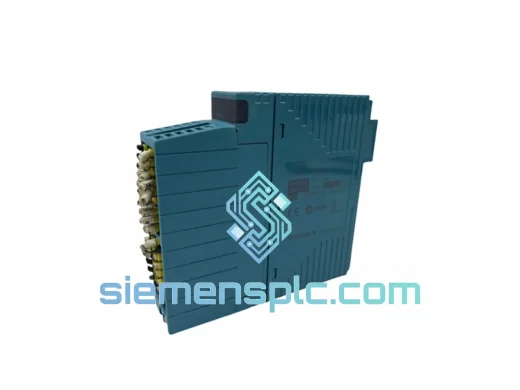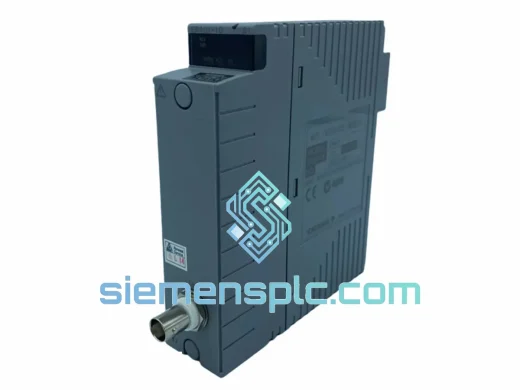
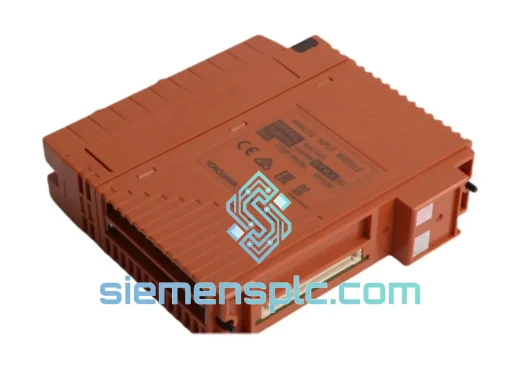
Yokogawa
RFQ Ready
Yokogawa SAI143-H63/PRP S3 DCS Analog Input Module
CENTUM VP
Origin JP
DCS Analog Input Module
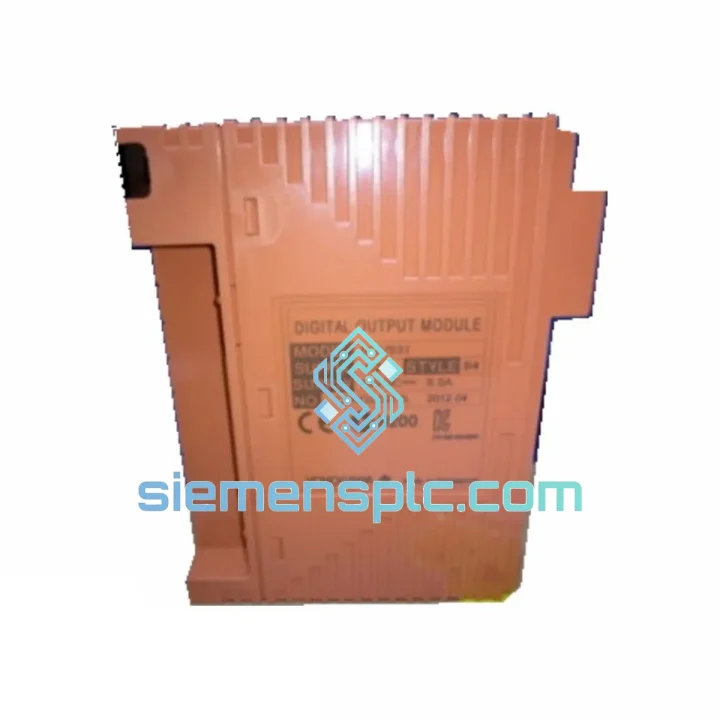
Request verified availability, condition, replacement risk review, packing options and courier lead time for SDV531-L23.
Click Request Quote and the part number is inserted into the inquiry form automatically.
Core fields for model confirmation and RFQ routing. Detailed product narrative remains below.
Every minute your process is down, you’re burning money. A failed SDV531-L23 digital input module doesn’t just kill one loop — it can take down an entire field control station, leaving operators blind and production at a standstill. We stock the SDV531-L23 specifically because we know what a CENTUM VP outage costs. Our Xiamen warehouse ships same-day on confirmed orders, and DHL Express puts this module on your bench within 24–72 hours to most destinations worldwide.
This is not a catalog listing. This is a recovery tool.
URGENT REQUIREMENT? Contact: [email protected] | WhatsApp: +86 18359268345
| Parameter | Specification |
|---|---|
| Manufacturer | YOKOGAWA Electric Corporation |
| Part Number | SDV531-L23 |
| Module Type | 32-Channel Digital Input (DI) |
| Compatible Platform | CENTUM VP / CENTUM CS 3000 |
| Input Signal Type | Dry contact / voltage-free contact |
| Isolation | Optical isolation, field-to-bus |
| Operating Temperature | 0°C to 55°C |
| Power Supply | Via I/O module bus (internal) |
| Mounting | I/O nest / Node Unit (FCS) |
| Weight | Approx. 700 g |
| Certifications | CE, UL, RoHS |
| Origin | Japan |
| Stock Status | ✔ Ready to Ship — Xiamen, China |
The SDV531-L23 fails in predictable ways. Here’s what I’ve seen in the field and how to handle the swap without creating new problems:
Common Failure Signatures:
Replacement Procedure — Key Steps:
The SDV531-L23 was not designed for a climate-controlled server room. It was built for the realities of process plant environments — and it shows in the design choices YOKOGAWA made.
The optical isolation barrier between the field terminals and the internal bus is the module’s first line of defense. In refineries and chemical plants, field wiring picks up ground loops, induced voltages from VFDs, and transient spikes from solenoid valve switching. The SDV531-L23’s optical couplers absorb these without passing them to the FCS bus. This is why you rarely see bus-level damage when an SDV531 fails — the module sacrifices itself to protect the system.
Vibration tolerance is built into the PCB mounting and connector design. The module uses a guided card-edge connector with positive locking, which maintains contact integrity even in environments with continuous low-frequency vibration from compressors, pumps, or structural resonance. Field experience in offshore platforms and compressor stations confirms the module holds its connection under conditions that would cause intermittent faults in lesser designs.
Thermal performance is rated to 55°C ambient, but the real-world derating curve is conservative. Modules installed in well-ventilated cabinets routinely exceed 10 years of continuous service in tropical climates. The failure modes we see in high-temperature environments are almost always related to inadequate cabinet cooling, not module design limits. If you’re replacing an SDV531-L23 that failed early, check your cabinet’s thermal management before installing the replacement.
Humidity resistance is provided by the conformal coating applied to the PCB during manufacturing. This coating protects against condensation in environments where temperature cycling causes moisture ingress. For installations in coastal or high-humidity environments, ensure the cabinet door seals are intact — the module can handle humidity, but it cannot compensate for a cabinet that is actively flooding with moist air.
Our fulfillment operation is built around one constraint: your process cannot wait for slow freight.
Stock is held in Xiamen, China — a major international cargo hub with direct DHL Express and FedEx International Priority connections to every major industrial region. When you confirm an order before 14:00 CST, the module ships the same business day. No exceptions, no excuses.
Typical transit times from Xiamen:
Every shipment includes a commercial invoice, packing list, and full AWB tracking number provided within 2 hours of dispatch. For orders requiring export documentation (EX1, Certificate of Origin, or customs pre-clearance letters), we prepare these as standard — just advise at time of order.
For plant shutdown scenarios where the module must arrive at a specific time window, contact us directly via WhatsApp. We coordinate with the freight carrier to schedule delivery within your maintenance window where the destination country’s customs clearance timeline allows.
We do not use consolidation freight or economy postal services for industrial components. Every SDV531-L23 ships express, tracked, and insured. If it doesn’t arrive on time, we work the problem with the carrier — not with you.
Email: [email protected]
WhatsApp: +86 18359268345
Web: siemensplc.com
© 2026 siemensplc.com. All rights reserved.
We check the full part number, brand, series and visible nameplate information before quotation.
Sales confirms stock path, condition option, quantity and realistic lead time for export dispatch.
DHL, FedEx, UPS or buyer courier arrangements can be reviewed with packing requirements.
Similar brand or category products for fast comparison and multi-item RFQ lists.