Yokogawa
RFQ Ready
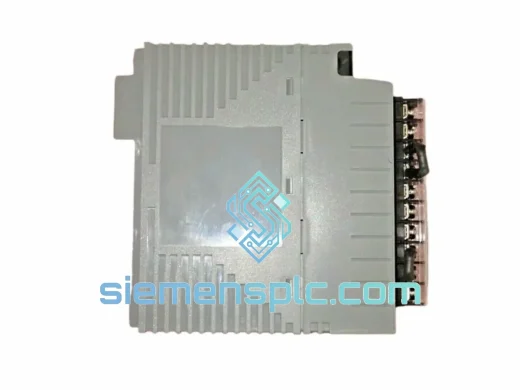
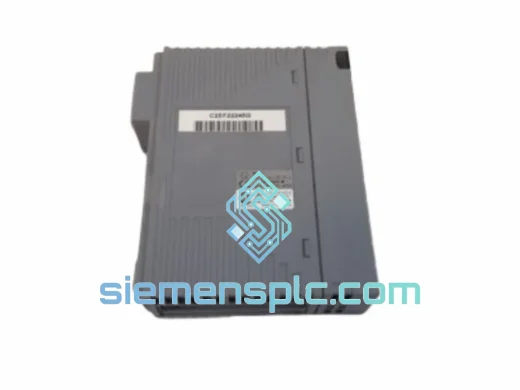
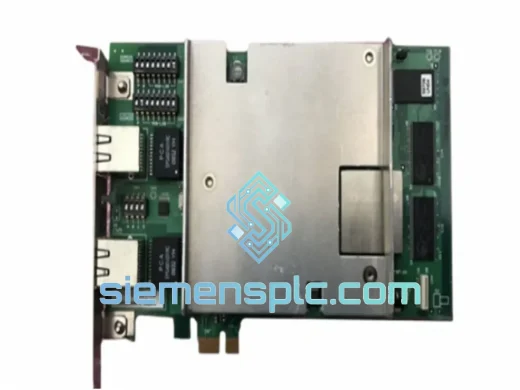
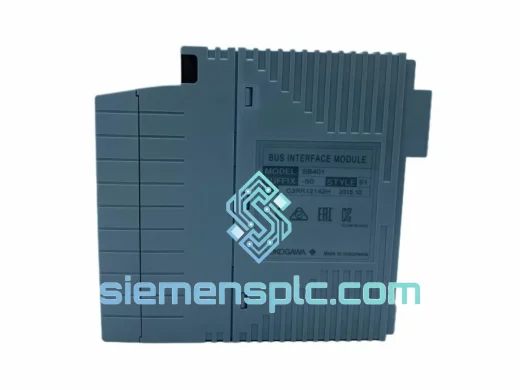
Yokogawa SB401-50 Serial Bus Interface Module – CENTUM VP
CENTUM VP
Origin JP
Serial Bus Interface Module
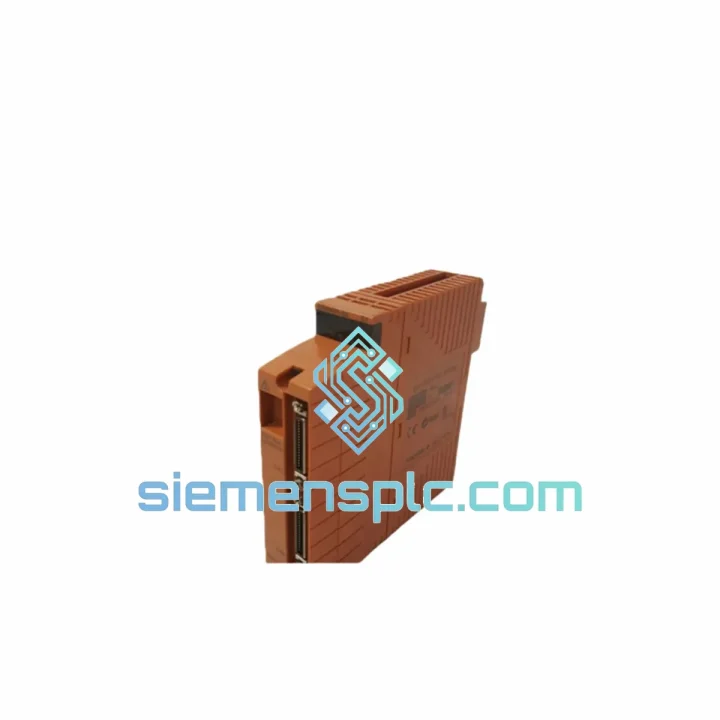
Request verified availability, condition, replacement risk review, packing options and courier lead time for SNT501-E3.
Click Request Quote and the part number is inserted into the inquiry form automatically.
Core fields for model confirmation and RFQ routing. Detailed product narrative remains below.
Your Vnet/IP segment just dropped. The FCS is throwing ALM-3412 or BUS COMM FAIL. Every minute the line is down, you’re bleeding production cost. The YOKOGAWA SNT501-E3 Bus Repeater Slave Module is in stock at our Xiamen warehouse — packed, labeled, and ready to clear customs today. We’ve shipped this exact part to refineries in the Middle East, chemical plants in Southeast Asia, and power stations in Europe. We know what’s at stake when a Vnet/IP node goes dark.
This is not a refurbished unit. Not a clone. Not a “compatible” substitute. It is a genuine YOKOGAWA SNT501-E3 pulled from authenticated surplus stock, inspected against OEM reference hardware, and dispatched with full export documentation. If your procurement team needs a COO or inspection certificate, we have it ready.
URGENT REQUIREMENT? Contact: [email protected] | WhatsApp: +86 18359268345
| Parameter | Value |
|---|---|
| Part Number | SNT501-E3 |
| Manufacturer | YOKOGAWA Electric Corporation |
| Series | Vnet/IP — CENTUM VP / CS 3000 |
| Module Function | Bus Repeater Slave — signal regeneration & segment extension |
| Communication Protocol | Vnet/IP (100 Mbps, dual-redundant capable) |
| Bus Topology | Star / Daisy-chain via SNT Master pairing |
| Power Supply | 24 VDC (from node power unit, e.g. PW481) |
| Operating Temperature | 0 °C to +55 °C |
| Humidity | 5% to 95% RH (non-condensing) |
| Vibration Resistance | IEC 60068-2-6 compliant |
| Weight | Approx. 1,380 g |
| Country of Origin | Japan |
| HS Code | 853710 |
| Compliance | CE, RoHS |
| Condition | New / Surplus New |
| Stock Status | ✅ Ready to Ship — Xiamen Warehouse |
The SNT501-E3 fails in predictable ways. Here’s what ten years of field calls have taught us:
Common Fault Signatures:
Replacement Procedure — Step by Step:
The SNT501-E3 was engineered for process plant realities, not lab conditions. YOKOGAWA designed this module to operate continuously in environments that would kill consumer-grade networking hardware within weeks.
The module’s conformal-coated PCB resists moisture ingress in coastal refineries and tropical chemical plants where ambient humidity regularly exceeds 80% RH. Its operating temperature ceiling of 55 °C means it survives inside control cabinets in Middle Eastern facilities where ambient temperatures push 45 °C before HVAC load is factored in. Vibration tolerance per IEC 60068-2-6 covers the mechanical stress of compressor halls and offshore platform decks — environments where standard rack-mount networking equipment fails within months.
The dual-redundant Vnet/IP architecture that the SNT501-E3 supports is itself a reliability feature: when one bus path degrades, the system switches to the secondary path automatically, giving your maintenance team time to replace the faulty repeater without a process shutdown. That switchover only works if the replacement module is on-site and ready. That’s exactly what we provide.
Every unit we ship has been stored in climate-controlled conditions, in original anti-static packaging, away from magnetic fields and mechanical stress. We do not sell modules that have been sitting in uncontrolled warehouse environments for years. If a unit doesn’t pass our visual and connector inspection, it doesn’t ship.
Our dispatch hub is in Xiamen, China — one of the most logistics-efficient export cities in Asia, with direct DHL and FedEx gateway access and a streamlined customs clearance process for industrial automation components under HS code 853710.
Standard Express Timeline (from order confirmation):
What’s included with every shipment:
For urgent orders placed before 14:00 CST, same-day dispatch is available. Contact us directly to confirm cut-off eligibility for your destination.
📧 Email: [email protected]
📱 WhatsApp: +86 18359268345
🌐 Web: siemensplc.com
© 2026 siemensplc.com. All rights reserved.
We check the full part number, brand, series and visible nameplate information before quotation.
Sales confirms stock path, condition option, quantity and realistic lead time for export dispatch.
DHL, FedEx, UPS or buyer courier arrangements can be reviewed with packing requirements.
Similar brand or category products for fast comparison and multi-item RFQ lists.