
A serviceable DC motor is a strong reason to examine a converter retrofit before replacing an entire drive train. It is not a reason to assume that everything between the incoming supply and the motor can remain unchanged. The converter, field supply, protective devices, reactors, feedback, and controls form a system, and their reuse decisions need separate evidence.
For a SIMOREG 6RA70 installation moving toward SINAMICS DCM, the important procurement question is not simply which new converter has a similar current rating. It is which parts of the existing power and control arrangement remain suitable, which require replacement, and who accepts the resulting installation.
Begin with the retained asset, then work outward
A motor condition assessment and an accurate nameplate record are starting points. The responsible specialists need the relevant motor data, duty requirements, mechanical application, and existing feedback arrangement. A motor that can continue operating does not automatically establish that the selected converter can support every required operating condition.
Next identify the installed converter completely. A sourcing reference such as SIMOREG 6RA7025-6DS22-0 should be checked against the actual unit, including relevant options and the surrounding cabinet equipment. Preserve the original drawings and record modifications made during the machine’s operating life. A catalog reference alone rarely describes the whole installation.
The practical output is a boundary drawing: retained motor and mechanical equipment, retained or replaced power components, new conversion equipment, and interfaces to the machine controls. Mark unresolved items clearly. This helps prevent a converter-only quotation from being mistaken for a complete modernization proposal.
Manufacturer migration guidance is conditional
Siemens’ D23.1 DC-drive catalog, updated June 2025, includes guidance for migration from SIMOREG to SINAMICS DCM. It calls attention to complete identification and to power accessories such as semiconductor fuses, commutating reactors, and protective equipment. It also discusses retaining certain existing equipment under the relevant design conditions. This is a migration framework, not permission to reuse every installed component.
A listing for SINAMICS DCM 6RA8025-6DS22-0AA0 identifies a potential procurement reference for technical review. Its appearance alongside the older reference here does not establish an approved successor pair. The correct selection requires the manufacturer’s applicable sizing and migration documentation and the actual application data.
Keep that distinction in the request for quotation. Ask for either the exact specified unit or a clearly identified proposed alternative subject to engineering approval. A supplier should not have to guess whether the buyer expects a like-for-like legacy spare, a new converter, or a designed retrofit package.
Protection and connection details can dominate the shutdown
The main converter often receives most of the purchasing attention because it is the largest single item. Smaller equipment can determine whether the planned outage succeeds. Terminal arrangements, conductor routing, protective-device coordination, ventilation, mounting, and access for maintenance all belong in the engineering review.
Do not assume that an existing fuse is suitable because the replacement converter draws a similar nominal current. Likewise, do not infer reactor suitability from its physical size or continued service history. The selected power arrangement needs a documented assessment by qualified personnel using the applicable equipment requirements and site conditions.
Field-related requirements deserve their own line in the assessment. Identify how the installed motor’s field is supplied and controlled, which monitoring and protective functions are required, and which equipment will provide them after the change. A converter quotation that leaves this responsibility unclear can create a serious commissioning gap.
These are design-review questions, not instructions to modify energized equipment. Inspection, testing, isolation, and commissioning must follow the site’s authorized procedures. A blog cannot determine safe settings or protective-device selections for an unidentified machine.
Separate replacement cost from integration cost
A useful commercial comparison divides the proposal into equipment supply, cabinet changes, control integration, commissioning, and documentation. This allows the plant to see what is included rather than comparing two prices that describe different scopes.
- Equipment supply identifies exact references, options, condition, and included accessories.
- Cabinet work defines the approved mounting, wiring, cooling, and power-component changes.
- Control integration assigns responsibility for feedback, commands, status, and supervisory interfaces.
- Commissioning defines the controlled acceptance activities and authorized personnel.
- Documentation records the final installed configuration and future recovery requirements.
A legacy spare may still be justified while that engineering work is prepared. Treat it as a separate continuity decision rather than pretending that a modern converter can always be installed within the same time window as a like-for-like repair. Conversely, avoid buying large quantities of legacy stock without reviewing the planned modernization horizon.
Accept the machine, then reset the spare strategy
Acceptance should address the actual production duty under the approved commissioning plan. The machine owner needs evidence that the agreed operating behavior and interfaces have been restored or intentionally changed. A successful initial power-up is not the same as acceptance for production.
After handover, update the spare register around the accepted configuration. Retain useful legacy coverage for machines that still need it, but do not leave obsolete project assumptions attached to the migrated asset. Record the new converter identity, options, recovery documentation, and any retained power equipment whose maintenance responsibility remains unchanged.
Questions before requesting a retrofit quote
Can we retain the existing DC motor?
Possibly, subject to condition, application requirements, and compatibility with the engineered drive arrangement. Retaining the motor is a design decision requiring evidence, not an automatic consequence of selecting SINAMICS DCM.
Are the two converter references in this article a confirmed replacement pair?
No. They illustrate old- and new-generation procurement references. Complete ratings, options, installation requirements, and manufacturer selection guidance must be checked before approving any substitution.
Can existing fuses and reactors stay in the cabinet?
Only where the responsible engineering review confirms their suitability for the selected arrangement. Similar current ratings or successful past operation do not by themselves establish correct protection or compatibility after a retrofit.
What should be sent with an inquiry?
Provide complete converter and motor identification, relevant options, application duty, available drawings, and the desired scope. State whether you need a legacy spare or a modernization proposal, and identify which integration tasks remain with your engineering team.
Send SiemensPLC the specified converter reference and agreed supply requirements for a scoped quotation. Keeping the reuse boundary explicit makes the commercial discussion more accurate and the later engineering handover easier to control.
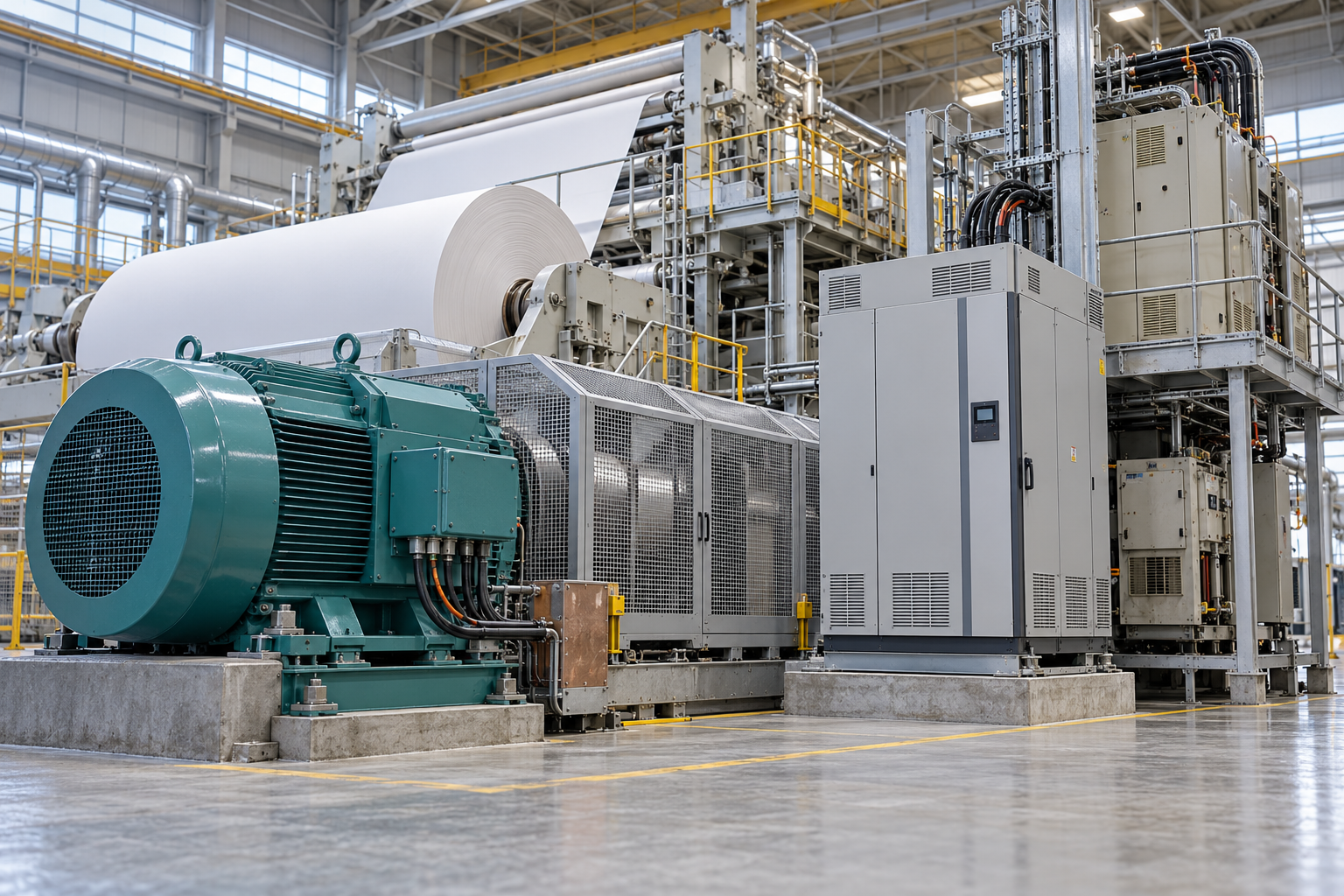
Image: AI-generated editorial illustration, not an exact product photograph or installation reference.
© 2026 SiemensPLC. All rights reserved. Official Website: https://siemensplc.com Inquiry: [email protected] | WhatsApp/Tel: +86 18359268345