
A lifecycle date is useful only when the maintenance team knows what it means. It can trigger a sourcing review without requiring an immediate machine conversion. It can change the purchasing route without proving that installed equipment has become unsafe. Confusing those decisions leads either to unnecessary urgency or to an unjustified assumption that nothing needs attention.
For the SIMATIC S7-1200 SM 1221 article 6ES7221-1BH32-0XB0, the Siemens Industry Mall record lists a phase-out effective date of November 1, 2026. The indexed record also retains an active-product label, so the present order status should be confirmed directly with Siemens rather than inferred from a cached label. This article uses the listed milestone as a prompt for an article-specific review, not as proof that every S7-1200 item has identical commercial terms.
Start with the exact article record
The Siemens record for 6ES7221-1BH32-0XB0 identifies an SM 1221 digital input module with sixteen 24 V DC inputs. Its lifecycle field must remain attached to that article number. Do not copy a date from a standard module to a coated version, another channel count or a CPU without checking the separate record.
For a plant using this module, the immediate task is to reconcile the actual installed labels with the asset register. A spreadsheet entry reading S7-1200 input card is not specific enough. Record the full article number, quantity in service, available spares and machines affected by a missing replacement.
Then obtain a dated commercial confirmation for any planned order. Availability, final-order arrangements and service routes may depend on the article and market. This note does not assert a universal last-buy deadline or a guaranteed number of remaining support years. Those claims require current manufacturer evidence, not repetition of a reseller’s summary.
Keep three decisions separate
Continue operating: a lifecycle milestone does not itself diagnose the installed module’s condition. Operations should assess reliability, environment, maintenance history and the consequences of failure through the site’s normal process. Do not interpret a product-status field as an instruction to stop a healthy machine.
Maintain a repair path: determine what replacement capability is needed while the machine remains in service. That includes identifiable hardware, recoverable project information and people able to complete the work. A box on a shelf is only one part of a usable recovery plan.
Plan modernization: a newer platform may be the right long-term choice, but migration is an engineering project. Confirm software, I/O, communications, panel space and commissioning requirements before treating a successor family as a drop-in spare. The business case should compare the complete transition cost with the risk of retaining the present installation.
Make a small lifecycle register actionable
Use one row per exact article and machine application. Add the source of the lifecycle information, the date it was checked, the current purchasing route and the next review date. Assign an owner to unresolved information. A register with an explicit unanswered question is more reliable than one filled with guessed end-of-service dates.
The sourcing row for the 6ES7221-1BH32-0XB0 SM 1221 module should distinguish a like-for-like spare inquiry from a modernization request. Ask for the offered item’s full identity, condition and evidence. Do not allow a quotation for a different generation to replace that line without an approved technical decision.
The associated controller belongs on a separate row. For example, a plant using a 6ES7214-1AG40-0XB0 CPU 1214C needs its own hardware, firmware and project review. Mentioning the CPU here does not transfer the input module’s lifecycle evidence to it or establish a universal pairing rule.
Review stock quality as well as quantity. A spare with unreadable identity, uncertain condition or an untested recovery procedure is not equivalent to a documented replacement capability. Keep quarantined or unresolved items separate from ready-for-issue stock so the planning figures reflect what maintenance can actually use.
A review meeting that produces a decision
Bring maintenance, engineering and purchasing together around a short list of critical applications. Ask which machine would be hardest to restore, whether its project can be recovered, and whether the proposed spare is technically approved. These questions reveal practical exposure more clearly than a count of all modules carrying an old series name.
Set a decision date for each unresolved application. One machine may need a verified like-for-like spare while a conversion is designed. Another may be near retirement and require a limited bridge. A third may justify migration because the wider control architecture, not the input module alone, is difficult to support.
Document why each path was chosen. Avoid universal rules such as replace everything immediately or stock one of every part. Both can waste resources because they ignore failure consequence, commonality and the actual operating horizon. The right decision is the one supported by the machine’s circumstances and an identifiable recovery plan.
Finally, schedule a follow-up against current manufacturer information. Product lifecycle records and commercial availability are related but not identical. A dated review allows the team to react to confirmed changes without treating every new search result as a new deadline.
Lifecycle questions
Does phase-out mean our installed SM 1221 must stop operating today?
No. A commercial lifecycle milestone is not a condition assessment or an automatic shutdown instruction. Continue to apply the site’s engineering, maintenance and safety requirements to the actual installation.
Is November 1 a confirmed final-order deadline for every S7-1200 component?
No. The evidence discussed here is an article-specific phase-out field. Final-order and service arrangements must be confirmed for the exact item and market. Do not turn that field into a family-wide sales deadline.
Can we buy a newer-generation module as an emergency substitute?
Only after a technical review establishes the required architecture and configuration. A successor designation does not prove physical, electrical or software interchangeability with the installed module.
What should purchasing request now?
Request a dated confirmation of the offered article, condition, availability and any proposed substitution. Include the installed label and application context, while keeping unsupported support-duration claims out of the order.
Send the exact SM 1221 or CPU article number and required delivery condition to [email protected] for a focused spare inquiry. SiemensPLC can review the sourcing requirement while the plant retains approval of lifecycle and migration decisions.
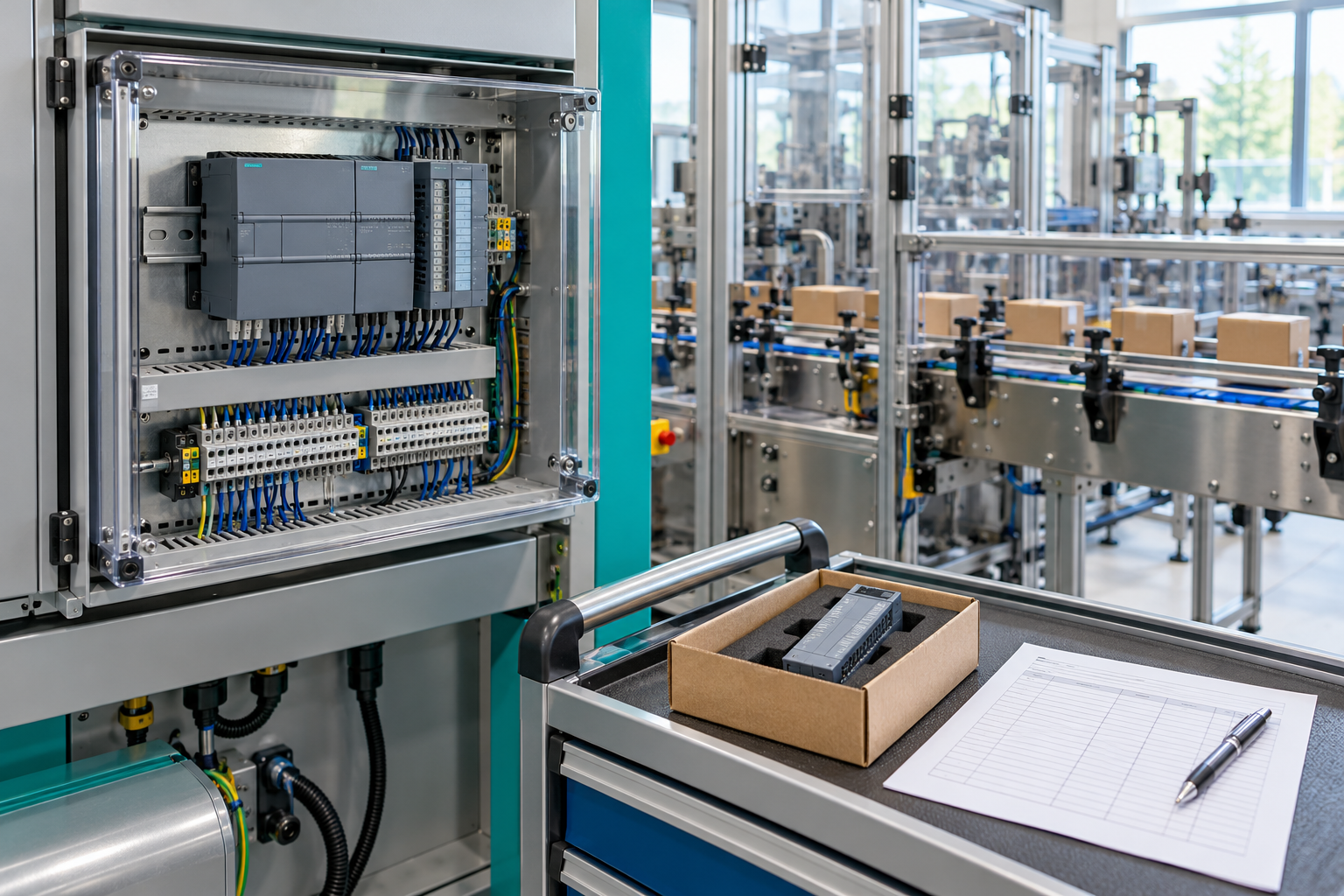
Image: AI-generated editorial illustration, not an exact product photograph or installation reference.
© 2026 SiemensPLC. All rights reserved. Official Website: https://siemensplc.com Inquiry: [email protected] | WhatsApp/Tel: +86 18359268345