
Allen-Bradley
In Stock OK
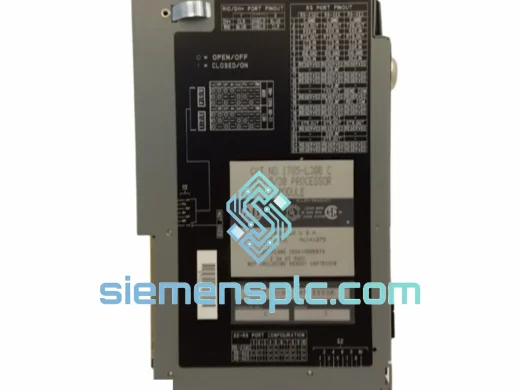
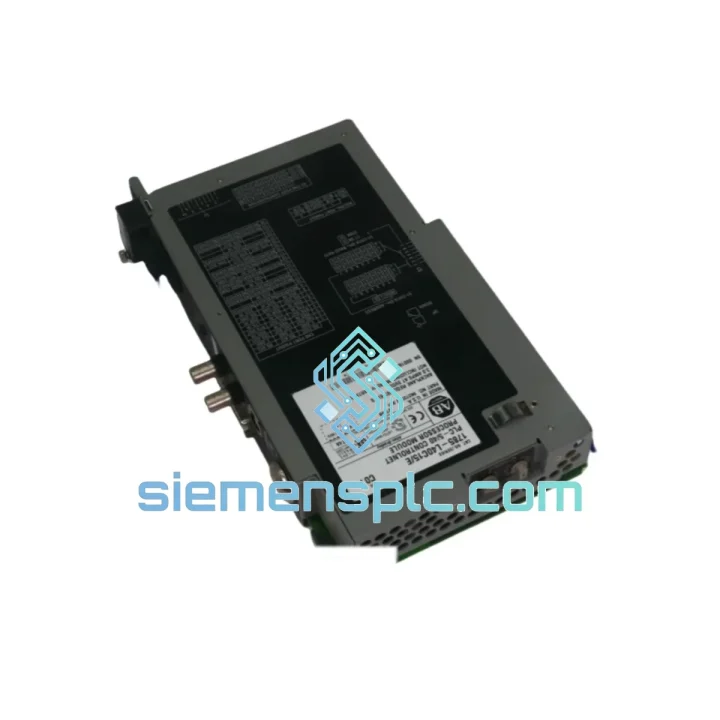
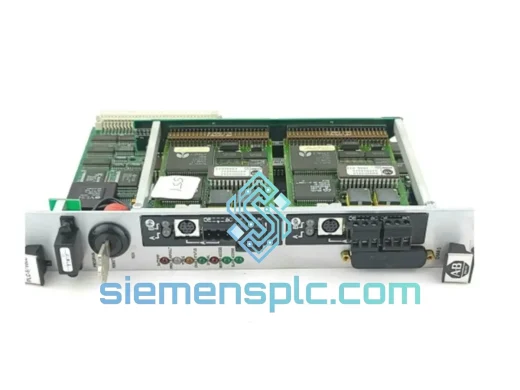
Allen-Bradley 1785-L40C15/F PLC Processor – PLC-5 Series
Request verified availability, condition, replacement risk review, packing options and courier lead time for 1785-L40C15/F.
BrandAllen-Bradley
Part Number1785-L40C15/F
ConditionAvailability Check
Lead TimeRFQ Confirmation
DocumentsDatasheet / photos by RFQ
ShippingExport packing available
Auto-filled RFQ
1785-L40C15/F
Click Request Quote and the part number is inserted into the inquiry form automatically.
- Reply by email: [email protected]
- WhatsApp / Tel: +86 18359268345
- Mon-Sat 9:00-18:00 GMT+8
Procurement Data
Key Product Information
Core fields for model confirmation and RFQ routing. Detailed product narrative remains below.
- Brand
- Allen-Bradley
- Primary Part Number
- 1785-L40C15/F
- Product Type
- PLC Processor Module
- Series / Family
- PLC-5
- Manufacturer
- Allen-Bradley / Rockwell Automation
- Country of Origin
- US
- Catalog Category
- PLCs & Controllers
- Operating Temp.
- 0 °C to +60 °C
- Warranty
- 12 months from date of shipment
Model confirmed for inquiry
1785-L40C15/F
Send quantity, destination and urgency. The RFQ form keeps this part number attached.
Request Quote
Product Overview
Allen-Bradley 1785-L40C15/F: ControlNet-Integrated PLC-5/40C15 Processor in Industrial Control Architecture
The 1785-L40C15/F is a Series F revision of the PLC-5/40C15 processor within Rockwell Automation’s PLC-5 family — a platform that has accumulated decades of installed-base density across process, discrete, and hybrid manufacturing environments. This processor module occupies the leftmost slot of a 1771-series I/O chassis and serves as the deterministic scan-engine for all connected I/O, peer-to-peer messaging, and network-scheduled data transfers. Its defining hardware characteristic is the onboard ControlNet port, which eliminates the need for a separate 1784-KTCX15 scanner card and reduces both rack slot consumption and inter-module latency.
In a typical control loop, the 1785-L40C15/F executes ladder logic across a 40K-word user memory space, manages data table I/O mapping, and arbitrates scheduled ControlNet transfers within a single scan cycle. The processor’s backplane interface communicates with 1771-series I/O modules via the 1771 parallel backplane bus at a fixed 5 VDC logic level, with each I/O module addressed through a rack/group/slot scheme that the processor resolves during the I/O scan phase. The scan cycle itself is divided into four deterministic phases: input scan, program scan, output scan, and housekeeping — each phase completing before the next begins, which is the architectural basis for the platform’s predictable response time in closed-loop control applications.
The ControlNet port operates at 5 Mbit/s over RG-6 coaxial cable and supports both scheduled (implicit) and unscheduled (explicit) messaging. Scheduled transfers are configured via RSNetWorx for ControlNet and are executed at a fixed Network Update Time (NUT) — typically 5 ms to 100 ms depending on node count and data volume. This deterministic transfer mechanism is what makes the 1785-L40C15/F suitable for coordinated multi-axis motion, synchronized conveyor control, and distributed I/O architectures where jitter tolerance is below 1 ms. Unscheduled messaging handles peer-to-peer MSG instructions, HMI data polling, and configuration uploads without consuming scheduled bandwidth.
The Series F revision represents the final and most stable firmware baseline for the PLC-5/40C15 platform. It is fully backward-compatible with programs developed on Series A through E hardware, requiring no instruction set modifications for migration. RSLogix 5 v8.00 and later provides full online editing support for Series F processors, including force tables, cross-reference utilities, and ControlNet diagnostics accessible through the programming terminal without interrupting production scan cycles.
Deployment environments for this processor include automotive body-in-white assembly lines, oil and gas compressor station control panels, water treatment pump sequencing systems, pulp and paper winder/unwinder coordination, and mining conveyor interlocking architectures. In each of these contexts, the processor’s 3,072-point discrete I/O capacity — distributed across multiple 1771 chassis via ControlNet remote I/O drops — provides sufficient addressable I/O density for plant-wide control without requiring a migration to ControlLogix architecture.
Real-time Stock & RFQ: [email protected] | WhatsApp: +86 18359268345
Technical Parameters
| Parameter | Specification |
|---|---|
| Part Number | 1785-L40C15/F |
| Series / Revision | F (final production revision) |
| Product Family | PLC-5/40C15 |
| Manufacturer | Allen-Bradley / Rockwell Automation |
| User Memory | 40K words (40,960 words) |
| Maximum Discrete I/O | 3,072 points (distributed across 1771 chassis) |
| Backplane Bus | 1771 parallel backplane, 5 VDC logic |
| Communication Ports | ControlNet (RG-6 coax, BNC), DH+ (1771-KF2 compatible), RS-232 (DF1 / DH-485) |
| ControlNet Data Rate | 5 Mbit/s |
| ControlNet Node Address Range | 1–99 nodes per network segment |
| Network Update Time (NUT) | Configurable 5 ms – 100 ms |
| Scan Cycle Structure | Input scan → Program scan → Output scan → Housekeeping |
| Operating Temperature | 0 °C to +60 °C |
| Storage Temperature | -40 °C to +85 °C |
| Relative Humidity | 5% to 95% non-condensing |
| Supply Voltage | 5 VDC via 1771-series power supply (e.g., 1771-P4S) |
| Current Draw (5 VDC) | 3.0 A (typical) |
| Battery Backup | 1770-XYC lithium battery (3–5 year service life) |
| Weight | Approx. 1,420 g |
| Programming Software | RSLogix 5 v8.00+ |
| Certifications | UL 508, CE (EN 61131-2), RoHS (2011/65/EU) |
| Warranty | 12 months from date of shipment |
Hardware Logical Analysis
The 1785-L40C15/F integrates three distinct communication subsystems — ControlNet, DH+, and RS-232 — each managed by a dedicated co-processor on the module’s PCB. This multi-processor architecture prevents any single communication event from stalling the main ladder logic scan, a design constraint that single-CPU implementations cannot satisfy. The ControlNet co-processor handles NUT-synchronized scheduled transfers independently of the main CPU’s program scan, meaning a 10 ms NUT configuration will deliver data to the ControlNet network at exactly 10 ms intervals regardless of whether the main scan cycle is executing a complex PID block or a long sequencer instruction.
EMC hardening on the 1785-L40C15/F follows Rockwell Automation’s internal shielding specification for the PLC-5 platform. The module’s PCB employs a multi-layer ground plane strategy with dedicated analog and digital ground domains separated at the chassis backplane connector. The ControlNet port’s BNC connector is chassis-ground-referenced, and the coaxial cable shield provides a continuous Faraday path from the processor to each remote I/O drop, attenuating common-mode noise injection from variable-frequency drives and high-current switching equipment operating in the same panel enclosure.
The 1771 backplane interface uses a parallel bus architecture with hardware-enforced slot addressing. Each I/O module in the chassis is assigned a rack/group/slot address during chassis configuration, and the processor’s I/O scan resolves these addresses in a fixed sequence. This deterministic addressing scheme means that a failed I/O module generates a specific fault code — not a generic communication error — allowing maintenance personnel to identify the exact physical slot without a network diagnostic tool. The processor’s fault table retains the last 64 fault entries with timestamps, providing a post-mortem audit trail for unplanned shutdowns.
Memory architecture on the 1785-L40C15/F separates user program memory from data table memory at the hardware level. The 40K-word user memory space is allocated across ladder logic rungs, subroutine files, and data table files (N, B, T, C, R, F, A, S, ST, L, MG, PD, BT, SC, MO, IID, DDI, DID, SDI). This separation prevents a runaway data write from corrupting the program file — a protection mechanism relevant in applications where third-party HMI systems write to data table addresses via MSG instructions.
System Integration Benefits
- Deterministic ControlNet Scheduling: NUT-based scheduled transfers guarantee data delivery within a fixed time window, enabling coordinated control across multiple 1771 chassis without polling overhead or collision-based delays.
- Zero-Slot ControlNet Connectivity: The onboard ControlNet port requires no additional scanner card, preserving chassis slots for I/O modules and reducing BOM cost by eliminating the 1784-KTCX15 or equivalent.
- Backward-Compatible Program Migration: Series F accepts RSLogix 5 program files developed on Series A–E hardware without instruction set conversion, reducing migration risk for plant-wide PLC-5 standardization projects.
- Simultaneous Multi-Port Communication: DH+ and RS-232 ports operate concurrently with ControlNet, allowing HMI polling, programming terminal access, and network I/O transfers to proceed in parallel without bandwidth contention.
- Granular Fault Diagnostics: The 64-entry fault table with timestamps provides slot-level fault identification, reducing mean time to repair (MTTR) by directing maintenance to the exact failed component rather than requiring a full system diagnostic sweep.
- Scalable I/O Architecture: Up to 3,072 discrete I/O points distributed across local and remote 1771 chassis via ControlNet remote I/O drops, supporting plant-wide expansion without processor replacement.
- Cross-Platform Messaging: MSG instructions support data exchange with ControlLogix and CompactLogix systems via ControlNet bridging or EtherNet/IP gateways (e.g., 1788-ENBT), enabling phased migration strategies where PLC-5 and Logix platforms coexist.
- Battery-Backed Memory Retention: The 1770-XYC lithium battery maintains user program and data table integrity during power loss events, with a 3–5 year service life and a low-battery warning bit (S:11/0) accessible in the status file for predictive maintenance scheduling.
- RSNetWorx Integration: ControlNet network configuration, node scheduling, and bandwidth utilization analysis are performed offline in RSNetWorx for ControlNet and downloaded to the processor as a single configuration file, eliminating manual node-by-node commissioning.
- Chassis-Level Ground Isolation: The 1771 backplane’s hardware slot addressing and the processor’s multi-layer PCB ground plane provide inherent isolation between I/O module ground faults and the processor’s logic supply, preventing a single module failure from propagating to the CPU.
Quality Assurance & Global Logistics
Every 1785-L40C15/F unit dispatched from our Xiamen, China facility undergoes a structured pre-shipment inspection protocol. Each module is visually examined for physical damage, corrosion on backplane connector pins, and counterfeit indicators including label font consistency, PCB silkscreen accuracy, and component date-code alignment. Firmware revision is verified against Rockwell Automation’s published Series F release documentation. A functional power-on test confirms scan-cycle execution and ControlNet port initialization before packaging.
Units are packed in anti-static foam-lined cartons with humidity indicator cards and desiccant sachets. Export documentation includes a commercial invoice, packing list, and certificate of conformance. Shipment options from Xiamen include DHL Express (3–5 business days to most destinations), FedEx International Priority, and sea freight consolidation for bulk orders. All shipments are tracked from dispatch to delivery, with proforma invoices available for customs pre-clearance in regulated markets.
A 12-month warranty covers manufacturing defects and functional failures under normal operating conditions. Warranty claims are processed with a documented RMA procedure: the defective unit is returned to Xiamen for inspection, and a replacement or credit is issued within 10 business days of receipt. Units showing evidence of physical damage, unauthorized repair, or operation outside specified temperature and humidity ranges are excluded from warranty coverage.
Contact Information
Email: [email protected]
WhatsApp: +86 18359268345
Web: siemensplc.com
Location: Xiamen, China
© 2026 siemensplc.com. All rights reserved.
Ready to quote
[email protected]
Send This Part Number to Sales
RFQ workflow
Quality workflow ->
Confirmation Process
01Model confirmation
We check the full part number, brand, series and visible nameplate information before quotation.
02Availability reply
Sales confirms stock path, condition option, quantity and realistic lead time for export dispatch.
03Packing & courier
DHL, FedEx, UPS or buyer courier arrangements can be reviewed with packing requirements.
Continue sourcing
Browse full catalog ->
Related Automation Parts
Similar brand or category products for fast comparison and multi-item RFQ lists.
Allen-Bradley
RFQ Ready
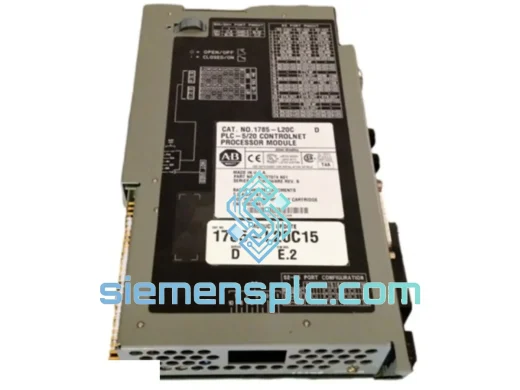
Allen-Bradley 1788-CNC CNC Interface Card – ControlNet Series
PLC-5
Origin US
CNC Interface Card
Allen-Bradley
RFQ Ready
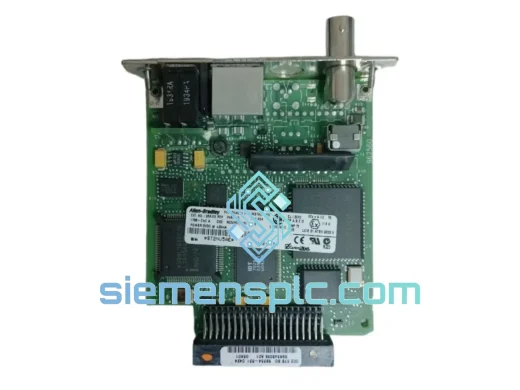
Allen-Bradley 1785-V40V CPU Module – PLC-5 Series
PLC-5
Origin US
CPU Module