Bently Nevada
RFQ Ready
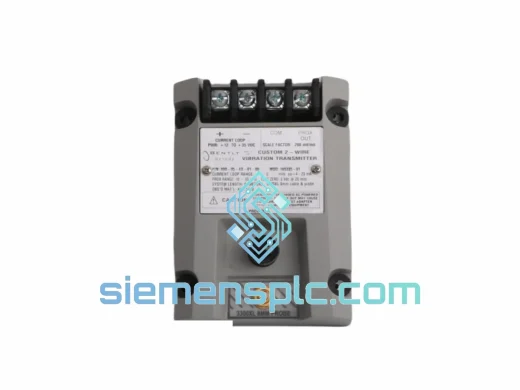
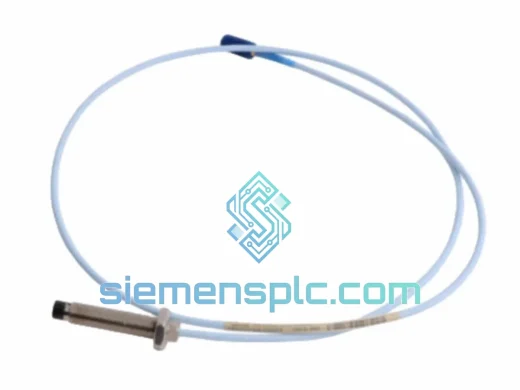
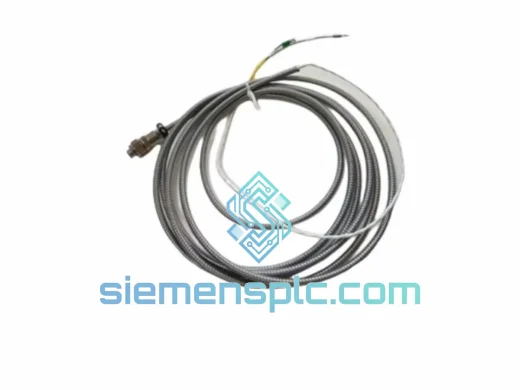
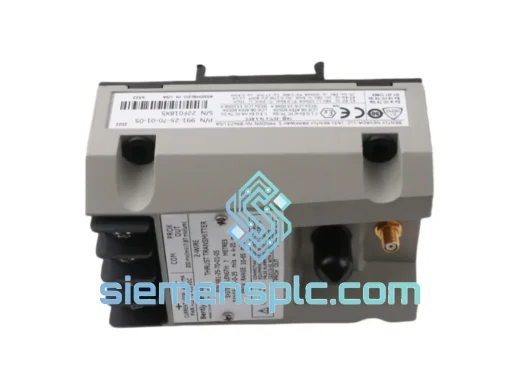
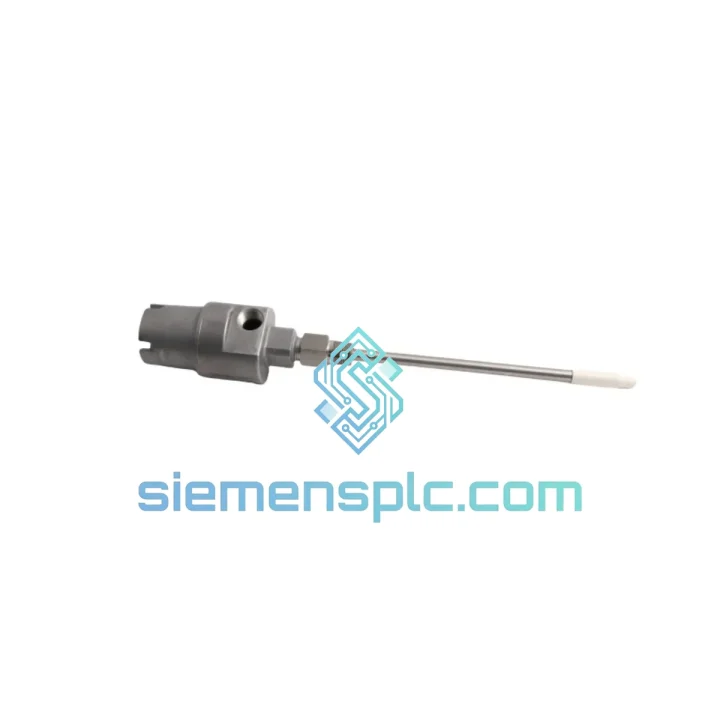
Bently Nevada 991-25-70-01-01 Proximity Probe Extension Cable – 3300 XL Series
3300 XL
Origin US
Proximity Probe Extension Cable
Request verified availability, condition, replacement risk review, packing options and courier lead time for 21000-16-05-00-103-03-02.
Click Request Quote and the part number is inserted into the inquiry form automatically.
Core fields for model confirmation and RFQ routing. Detailed product narrative remains below.
Every hour your turbine or compressor sits idle costs real money. If you’re here, you already know that. The Bently Nevada 21000-16-05-00-103-03-02 proximity probe housing assembly is on our shelf in Xiamen right now — not on a 6-week factory lead time, not stuck in a distributor’s backorder queue. We ship DHL/FedEx Express within 24 hours of payment confirmation. That’s the difference between a two-day outage and a two-week nightmare.
This housing is the mechanical backbone of your 3300 XL Proximity Transducer System. It locks probe geometry, seals the cable entry against process contamination, and holds eddy-current gap tolerance under continuous vibration. When it fails — or when a maintenance window demands a verified spare — there is no acceptable substitute. You need the exact part, fast.
URGENT REQUIREMENT? Contact: [email protected] | WhatsApp: +86 18359268345
| Parameter | Specification |
|---|---|
| Part Number / SKU | 21000-16-05-00-103-03-02 |
| Manufacturer | Bently Nevada (Baker Hughes) |
| Platform / Series | 3300 XL Proximity Transducer System |
| Component Type | Proximity Probe Housing Assembly |
| Sensing Technology | Eddy-current, non-contact |
| Housing Material | Corrosion-resistant stainless alloy |
| Compliance Standard | API 670 machinery protection |
| Weight | 1,400 g (approx.) |
| Country of Origin | United States |
| Stock Status | ✅ Ready to Ship — Xiamen Warehouse |
| Lead Time | Ships within 24 hrs of payment |
| MOQ | 1 unit |
Ten years of field calls have taught me that most 3300 XL probe housing failures fall into three categories. Here’s how to diagnose fast and replace right the first time.
Fault 1 — Intermittent OK-to-Danger Spike (No Actual Shaft Event)
Symptom: Monitor throws a transient danger alarm, clears within seconds, no process upset. Root cause is almost always a cracked housing body or compromised cable entry seal allowing moisture ingress. The eddy-current field becomes unstable as condensation bridges the probe tip gap. Pull the housing, inspect the O-ring seat and cable gland under magnification. If you see any corrosion track or hairline fracture — replace the assembly, not just the seal.
Fault 2 — Steady-State Gap Voltage Drift (Probe Not Moved)
Symptom: Your 3300/16 or 3300/20 driver output drifts 0.5–1.5 VDC over weeks without any shaft position change. The housing thread has backed off under vibration, shifting the probe standoff distance. Check the locknut torque first (typically 20–25 Nm per OEM spec). If the thread is galled or the locknut seat is deformed, the housing must be replaced — re-torquing a damaged thread is a temporary fix that will fail again at the worst possible moment.
Fault 3 — Physical Impact / Maintenance Damage
The most common reason we ship this part on emergency orders. A wrench slips during a bearing inspection, the housing takes a side-load hit, and the probe tip alignment is gone. Do not attempt to re-bend or re-align a deformed housing. The eddy-current gap tolerance is ±0.025 mm — any mechanical distortion outside that range will produce unreliable vibration data and potentially mask a real machinery fault.
Replacement Procedure — Key Steps:
The 3300 XL platform was designed for the environments that destroy lesser instrumentation. This housing assembly carries that same design philosophy into its mechanical construction.
The stainless alloy body resists the sulfur-laden atmospheres common in refinery and gas processing applications. The cable entry gland maintains IP-rated sealing integrity across the thermal cycling that occurs every time a turbine starts and stops — a cycle that fatigues inferior seals within months. Vibration endurance is not a marketing claim here; the 3300 XL system is the de facto standard under API 670, which mandates continuous operation in machinery vibration environments that would shake apart consumer-grade hardware in days.
Units sourced through our Xiamen facility undergo pre-shipment inspection covering visual integrity, dimensional verification of the probe thread and housing bore, and continuity checks on the cable entry path. Original manufacturer labeling and part markings are preserved intact. Certificate of conformance is available on request for regulated industries.
Storage conditions in our warehouse are controlled for temperature and humidity, maintaining shelf life per OEM guidelines. You are not receiving a part that has been sitting in an uncontrolled environment for years — you are receiving a verified, inspection-passed unit ready for immediate installation.
Our dispatch hub is in Xiamen, China — one of the most connected export ports in Asia, with daily DHL Express and FedEx International Priority departures to every major industrial hub on the planet.
Here is what happens after you confirm your order:
We handle export documentation for customs clearance. For time-critical shipments, we can coordinate with your freight forwarder or customs broker directly. Duties and import taxes are the buyer’s responsibility — we provide accurate HS code documentation to minimize clearance delays.
For volume orders or standing blanket agreements, contact us to discuss consignment stock arrangements. Keeping a verified spare on your shelf is always cheaper than an emergency air freight order at 2 AM.
Email: [email protected]
WhatsApp: +86 18359268345
Web: siemensplc.com
© 2026 siemensplc.com. All rights reserved.
We check the full part number, brand, series and visible nameplate information before quotation.
Sales confirms stock path, condition option, quantity and realistic lead time for export dispatch.
DHL, FedEx, UPS or buyer courier arrangements can be reviewed with packing requirements.
Similar brand or category products for fast comparison and multi-item RFQ lists.