EMG
In Stock OK
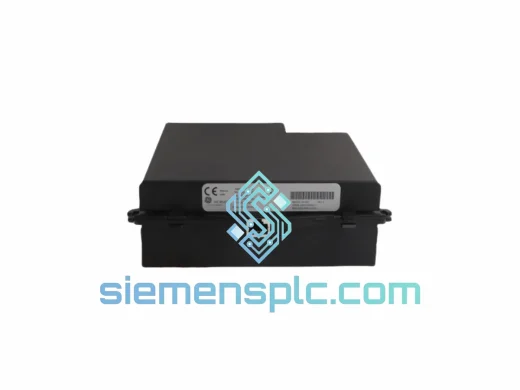
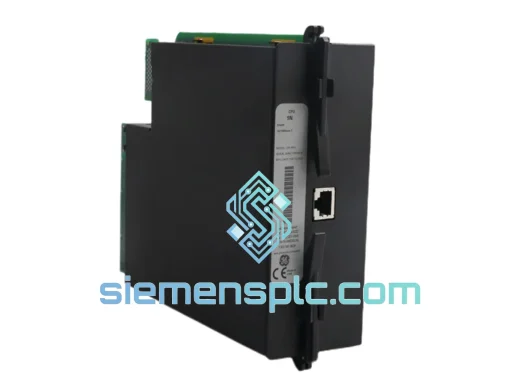
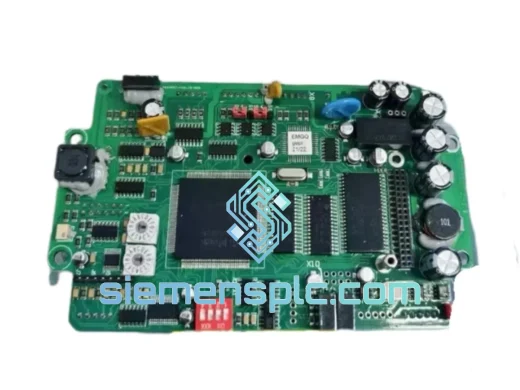
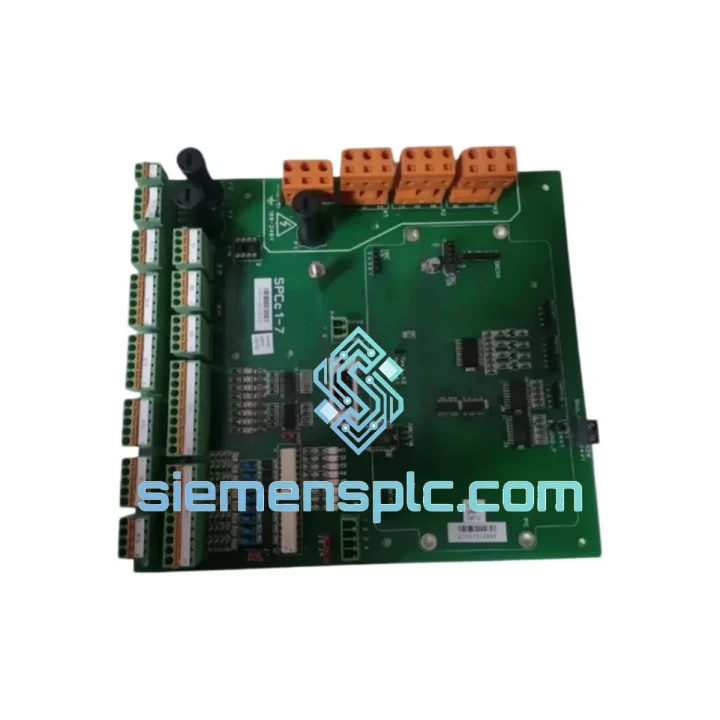
EMG SPCC1-7 Process Controller
Request verified availability, condition, replacement risk review, packing options and courier lead time for SPCC1-7.
BrandEMG
Part NumberSPCC1-7
ConditionAvailability Check
Lead TimeRFQ Confirmation
DocumentsDatasheet / photos by RFQ
ShippingExport packing available
Auto-filled RFQ
SPCC1-7
Click Request Quote and the part number is inserted into the inquiry form automatically.
- Reply by email: [email protected]
- WhatsApp / Tel: +86 18359268345
- Mon-Sat 9:00-18:00 GMT+8
Procurement Data
Key Product Information
Core fields for model confirmation and RFQ routing. Detailed product narrative remains below.
- Brand
- EMG
- Primary Part Number
- SPCC1-7
- Product Type
- Process Controller
- Series / Family
- SPCC Series
- Manufacturer
- EMG Automation GmbH
- Country of Origin
- DE
- Catalog Category
- PLCs & Controllers
- Operating Temp.
- 0 °C to +55 °C
- Humidity
- 5–95% RH, non-condensing
- Warranty
- 90-day functional warranty
- Compliance
- CE marked; IEC 61131 compatible
Model confirmed for inquiry
SPCC1-7
Send quantity, destination and urgency. The RFQ form keeps this part number attached.
Request Quote
Product Overview
EMG SPCC1-7 – Stop the Bleeding: Get Your Line Back Online Before the Next Shift
Every hour your process is down, the losses compound. A failed SPCC1-7 in a steel mill tension loop or a paper machine drive panel doesn’t just halt production — it triggers cascading penalties: missed delivery windows, idle crews, and maintenance overtime that eats into quarterly margins. We’ve seen it. We stock the SPCC1-7 precisely because we know what a 72-hour lead time from a slow distributor actually costs you on the floor.
At siemensplc.com, we maintain ready inventory of the EMG SPCC1-7 and ship same-day or next business day from Xiamen via DHL Express or FedEx International Priority. Your module clears customs with full commercial documentation. Your engineer has it on the bench — not waiting at a freight terminal.
URGENT REQUIREMENT? Contact: [email protected] | WhatsApp: +86 18359268345
Quick Technical Datasheet
| Parameter | Specification |
|---|---|
| Part Number / SKU | SPCC1-7 |
| Manufacturer | EMG Automation GmbH |
| Series / Platform | SPCC (Signal Processing & Control Card) |
| Module Function | Closed-loop process controller – analog/digital signal conditioning |
| Form Factor | DIN-rail / panel-mount card module |
| Operating Temperature | 0 °C to +55 °C |
| Storage Temperature | −25 °C to +70 °C |
| Humidity | 5–95% RH, non-condensing |
| Protection Class | IP20 (module); IP54+ in rated enclosure |
| Compliance | CE marked; IEC 61131 compatible |
| Origin | Germany |
| Stock Status | ✅ Ready to Ship – Xiamen Warehouse |
| MOQ | 1 unit (volume pricing available for 5+) |
| Warranty | 90-day functional warranty |
Troubleshooting & Replacement Tips
After ten years of field work, here’s what actually goes wrong with the SPCC1-7 and what to watch when you swap it out:
Common Failure Modes:
- Erratic analog output / loop instability: Usually the first symptom. The onboard DAC or output driver stage degrades under sustained high-temperature cycling. If your PID loop is hunting with no setpoint change, suspect the SPCC1-7 output stage before chasing field wiring.
- No communication on backplane bus: Module appears dead to the host PLC. Check the backplane connector pins for oxidation — SPCC series connectors are gold-plated but not immune to sulfur contamination in steel mill environments. Clean with IPA before condemning the module.
- Intermittent fault codes (E01 / E03 on host HMI): These typically map to watchdog timeout or internal RAM checksum failure. A hard power cycle clears it temporarily, but recurrence within 48 hours means the module’s internal SRAM is failing. Replace, don’t reset.
- Input signal drift: If your process variable reads 2–5% high with a calibrated sensor, the input conditioning resistor network has drifted. Recalibration buys time; replacement is the permanent fix.
Replacement Checklist — Do This Before You Power Up the New Module:
- Record all parameter settings from the host engineering station before pulling the old module. SPCC1-7 does not retain parameters independently — they live in the host PLC project.
- Verify backplane slot addressing: the SPCC1-7 uses hardware slot addressing via the backplane connector position. No DIP switches on this module — slot assignment is physical. Confirm the replacement goes into the identical slot.
- Check firmware revision on the host controller. If the SPCC platform firmware was updated since original commissioning, download the current SPCC1-7 firmware image from EMG and flash before insertion to avoid version mismatch faults.
- Inspect the backplane power rail voltage (typically ±15 V and +5 V) before inserting the new module. A shorted old module can drag down the rail and damage the replacement on first power-up.
- After insertion, perform a forced I/O scan from the engineering station and verify the module appears in the rack configuration before going to run mode.
- Run a closed-loop bump test at 10% setpoint step before handing back to operations. Confirm PID response matches pre-failure baseline.
Reliability in Harsh Conditions
The SPCC1-7 was not designed for a climate-controlled server room. EMG built this module for the environments where automation hardware earns its keep — and where failures are measured in tons of lost production, not server uptime percentages.
The module’s PCB is conformally coated to resist moisture ingress in humid mill environments and coastal installations. The component selection targets extended temperature cycling endurance: capacitors are rated for 105 °C continuous, not the 85 °C parts that fail prematurely in hot control cabinets. The backplane connector is rated for 500+ insertion cycles — relevant when your maintenance team pulls and reseats cards during routine inspections.
Vibration tolerance is a real design consideration for crane and conveyor applications. The SPCC1-7’s board layout minimizes large unsupported components, and the card guide system locks the module firmly against the backplane under sustained mechanical vibration. We’ve seen these modules run continuously for 8–12 years in rolling mill environments before the first failure — that’s the baseline you’re restoring when you replace a failed unit with a genuine EMG part.
Units supplied by siemensplc.com are sourced through verified channels with full OEM traceability. Every module is inspected for physical damage, connector integrity, and label authenticity before dispatch. We do not supply remarked or refurbished units as new — if a module is tested-used, it is labeled and priced accordingly.
Global Express Logistics
Our warehouse is in Xiamen, Fujian — one of China’s primary export hubs with direct DHL and FedEx gateway access. Here’s what the timeline actually looks like for an urgent order:
- Order confirmed before 14:00 CST: Same-day dispatch. DHL Express or FedEx International Priority, depending on destination and your preference.
- Transit to Europe (DE, NL, UK, PL): 3–5 business days door-to-door.
- Transit to North America (US, CA, MX): 3–5 business days door-to-door.
- Transit to Southeast Asia (SG, TH, MY, ID): 2–4 business days door-to-door.
- Transit to Middle East (AE, SA, QA): 4–6 business days door-to-door.
Every shipment includes: commercial invoice with accurate HS code declaration, packing list, certificate of origin (if required), and tracking number pushed to your email within 2 hours of dispatch. For orders requiring an export license or end-user declaration, contact us in advance — we handle the paperwork routinely.
Anti-static shielded packaging with foam-lined export carton is standard. The module arrives ready for incoming inspection, not requiring re-packaging before installation.
Contact Information
Email: [email protected]
WhatsApp: +86 18359268345
Web: siemensplc.com
© 2026 siemensplc.com. All rights reserved.
Ready to quote
[email protected]
Send This Part Number to Sales
RFQ workflow
Quality workflow ->
Confirmation Process
01Model confirmation
We check the full part number, brand, series and visible nameplate information before quotation.
02Availability reply
Sales confirms stock path, condition option, quantity and realistic lead time for export dispatch.
03Packing & courier
DHL, FedEx, UPS or buyer courier arrangements can be reviewed with packing requirements.
Continue sourcing
Browse full catalog ->
Related Automation Parts
Similar brand or category products for fast comparison and multi-item RFQ lists.
GE
RFQ Ready
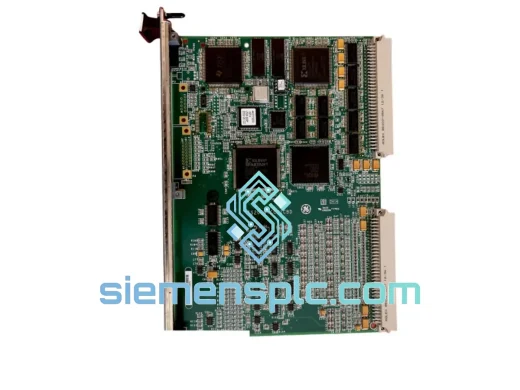
GE IS200VTCCH1CBD Thermocouple Processor Board – Mark VI IS200 Series
Mark VI
Origin US
Thermocouple Processor Board