Yokogawa
In Stock OK
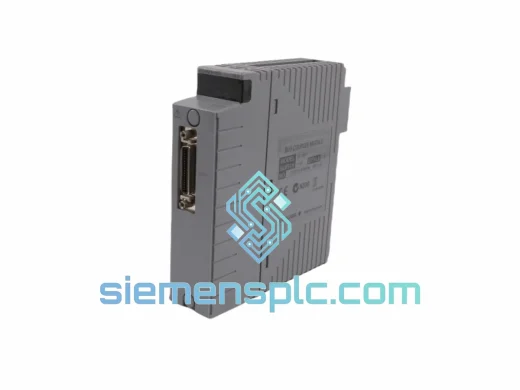
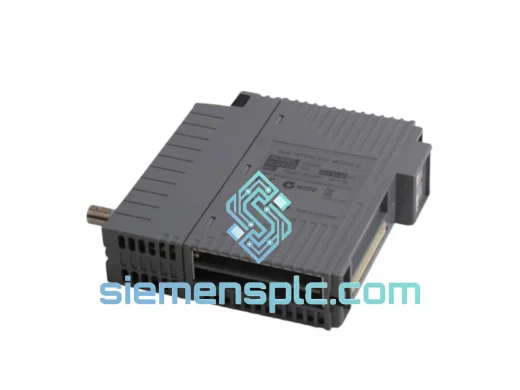
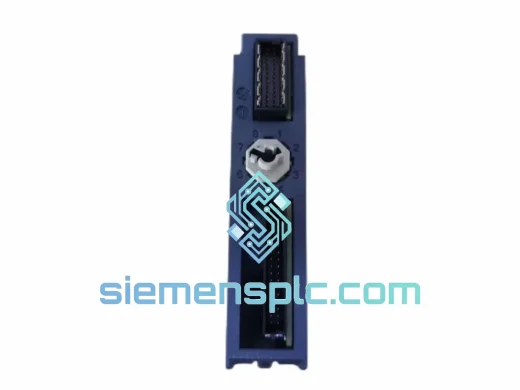
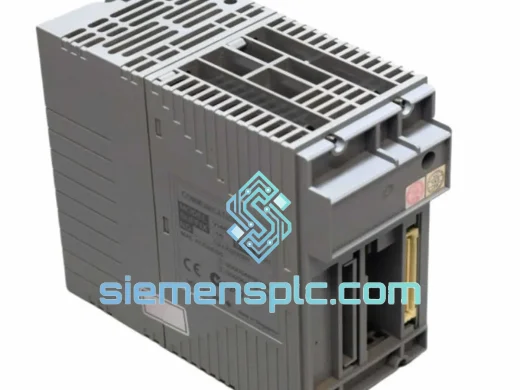
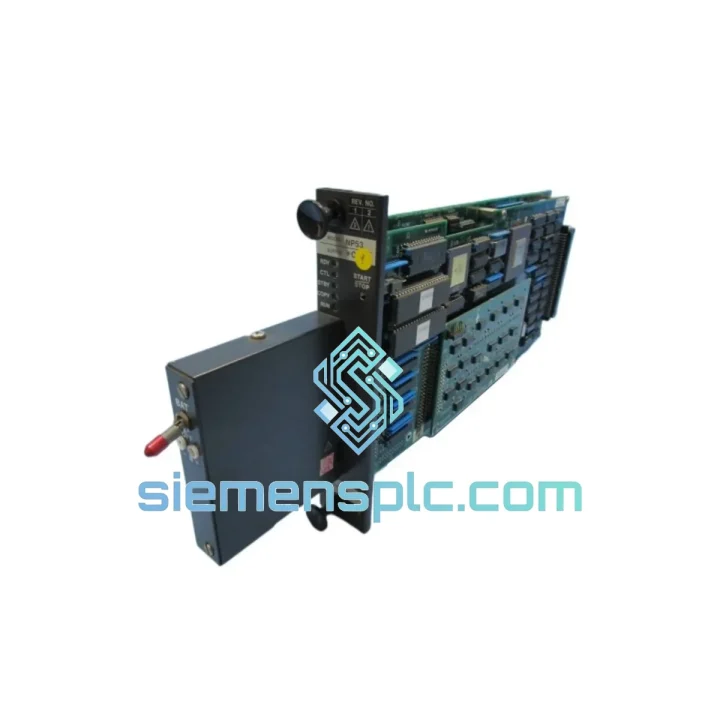
YOKOGAWA NP53*A DCS Processor Card
Request verified availability, condition, replacement risk review, packing options and courier lead time for NP53*A.
BrandYokogawa
Part NumberNP53*A
ConditionAvailability Check
Lead TimeRFQ Confirmation
DocumentsDatasheet / photos by RFQ
ShippingExport packing available
Auto-filled RFQ
NP53*A
Click Request Quote and the part number is inserted into the inquiry form automatically.
- Reply by email: [email protected]
- WhatsApp / Tel: +86 18359268345
- Mon-Sat 9:00-18:00 GMT+8
Procurement Data
Key Product Information
Core fields for model confirmation and RFQ routing. Detailed product narrative remains below.
- Brand
- Yokogawa
- Primary Part Number
- NP53*A
- Product Type
- DCS Processor Card
- Product Family
- Other series
- Manufacturer
- YOKOGAWA Electric Corporation
- Country of Origin
- JP
- Model Function
- MFCU central processing, I/O coordination, Vnet/IP communication
- Catalog Category
- DCS & Safety Modules
Model confirmed for inquiry
NP53*A
Send quantity, destination and urgency. The RFQ form keeps this part number attached.
Request Quote
Product Overview
YOKOGAWA NP53*A MFCU Processor Card: Stop the Clock on Your CS3000 Downtime
Every minute your CS3000 field control station sits offline, you’re bleeding money. Process loops open. Safety interlocks lose their supervisory backbone. Operators are flying blind. In a refinery, a chemical reactor, or a power generation facility, that’s not an inconvenience — it’s a crisis with a dollar figure attached to every passing second. The YOKOGAWA NP53*A Basic MFCU Processor Card is the single component standing between your plant and that scenario. We have it. It ships today.
The NP53*A is the central processing card for the Multi-Function Control Unit (MFCU) within YOKOGAWA’s CS3000 R3 Distributed Control System — one of the most widely deployed DCS platforms across Asia-Pacific, the Middle East, and global process industries. When this card fails, the entire field control station it anchors goes down with it. There is no workaround. There is no software patch. You need the hardware, and you need it fast.
We maintain ready stock of the NP53*A specifically because we understand what an unplanned outage costs. Our inventory is sourced, inspected, and staged for same-day or next-day dispatch from Xiamen, China, with DHL Express and FedEx International Priority as our primary carriers. From our warehouse to your plant gate — that’s the only timeline that matters.
⚡ URGENT REQUIREMENT? Contact: [email protected] | WhatsApp: +86 18359268345
Quick Technical Datasheet
| Manufacturer | YOKOGAWA Electric Corporation |
| Part Number | NP53*A |
| Module Type | Basic MFCU Processor Card |
| Compatible Platform | YOKOGAWA CS3000 R3 DCS |
| Function | MFCU central processing, I/O coordination, Vnet/IP communication |
| Form Factor | Plug-in card for CS3000 FCS chassis |
| Origin | Japan |
| Series | CS3000 R3 |
| Condition | New / Certified Surplus (stated per quotation) |
| Stock Status | ✔ Ready to Ship — Xiamen, China |
| Dispatch Lead Time | Same day / Next business day |
| Carriers | DHL Express, FedEx International Priority |
Troubleshooting & Replacement Tips
The NP53*A fails in predictable ways. Knowing the failure signature before you pull the card saves you from chasing ghosts on the network side.
Common Failure Indicators:
- FCS STATUS LED solid red or alternating red/green: The processor card has detected a fatal internal error. This is not a communication fault — it is a hardware fault on the NP53*A itself. Do not attempt to reset via software; the card must be replaced.
- All I/O modules in the station reporting “Communication Error” simultaneously: When the MFCU processor loses function, every downstream I/O card loses its scan master. If the fault is station-wide and not isolated to a single I/O slot, suspect the NP53*A before the I/O cards.
- Station disappears from CENTUM VP/CS3000 engineering station view: A healthy FCS maintains continuous heartbeat communication on the Vnet/IP bus. If the station drops off the network view entirely and the Vnet/IP cabling checks out, the NP53*A’s communication processor is the prime suspect.
- Intermittent scan-cycle overruns logged in the system alarm journal: Early-stage capacitor degradation on aging NP53*A cards can cause sporadic CPU timing faults before full failure. If you’re seeing recurring scan overrun alarms on a station that’s been in service for 8+ years, plan a proactive swap.
Replacement Procedure — Key Steps:
- Back up the FCS configuration from the CENTUM VP engineering station before touching hardware. Confirm the backup file timestamp. This is non-negotiable.
- Check the replacement card’s firmware revision against the station’s current firmware. The NP53*A firmware version is printed on the card label. Mismatched firmware between the processor card and the FCS software revision can cause the station to fail its self-check on startup. If in doubt, contact YOKOGAWA technical support for the firmware compatibility matrix before installing.
- Power down the FCS following your site’s lockout/tagout procedure. The NP53*A is not hot-swappable in standard CS3000 configurations — do not attempt live replacement.
- Seat the replacement card firmly into the processor slot. The card uses a guided rail system; partial seating is a common cause of post-replacement communication faults. Apply firm, even pressure until the front panel latch engages.
- Power up and observe the STATUS LED sequence. A healthy startup shows a brief amber flash during self-test, transitioning to solid green within 60–90 seconds. If the LED stays amber beyond 2 minutes, the card is still in initialization — wait. If it goes red, check firmware compatibility and re-seat.
- Verify I/O module communication from the engineering station. All I/O cards in the station should return to their pre-fault status within one scan cycle of the FCS coming online.
- Confirm process variable values against field instrumentation before returning the station to automatic control. Do not hand back to operations until all PV readings are validated.
Note on Address Configuration: The NP53*A in CS3000 uses software-based station addressing configured through the CENTUM VP engineering environment — there are no physical DIP switches on the processor card for station address assignment. Address conflicts are resolved at the software level. If you’re replacing a card in a redundant FCS configuration, ensure the redundancy pairing is re-established in the engineering station after the swap.
Reliability in Harsh Conditions
The CS3000 platform was engineered for continuous operation in environments that would destroy consumer-grade electronics within weeks. The NP53*A processor card inherits that design philosophy.
In petrochemical plants along the Gulf Coast and in Southeast Asian refineries, CS3000 field control stations operate in ambient temperatures that regularly exceed 40°C, with humidity levels that would corrode unprotected PCB traces within a single monsoon season. The NP53*A’s conformal coating on critical circuit areas provides a barrier against moisture ingress and airborne chemical contaminants — a standard feature in YOKOGAWA’s industrial-grade manufacturing process, not an afterthought.
Vibration is the silent killer of processor cards in rotating-equipment-heavy environments — compressor halls, pump stations, turbine decks. The NP53*A’s card-edge connector system and chassis retention mechanism are designed to maintain electrical continuity under the continuous low-frequency vibration profiles common in these installations. Cards that have been in service for a decade in these environments and failed due to vibration fatigue typically show cracked solder joints at the connector interface — a failure mode that is visible under inspection and confirms the card, not the chassis, is the fault source.
Thermal cycling — the daily expansion and contraction of PCB materials as a plant starts up and cools down — is another long-term reliability factor. YOKOGAWA’s component selection and PCB laminate specifications for the CS3000 series account for the thermal coefficient mismatch between copper traces and FR4 substrate over thousands of cycles. This is why CS3000 cards routinely achieve 10–15 year service lives in well-maintained installations, and why a genuine replacement card is worth the investment over counterfeit alternatives that use substandard materials.
Every NP53*A we supply undergoes visual inspection for physical damage, connector pin integrity, and label authenticity. Cards are stored in ESD-controlled environments and shipped in anti-static bags with foam cushioning inside double-wall export cartons. The card that arrives at your site is in the same condition it left our warehouse.
Global Express Logistics
Our dispatch hub is in Xiamen, China — a major international cargo gateway with direct DHL Express and FedEx International Priority connections to every major industrial hub on the planet. When you confirm an order, here’s what happens:
- Day 0 (Order Confirmation): Payment confirmed, card pulled from ESD storage, inspected, photographed, and packaged. Export documentation prepared — commercial invoice, packing list, and any required certificates of origin.
- Day 0–1 (Dispatch): Shipment handed to DHL Express or FedEx International Priority, depending on your destination and urgency. Tracking number issued to you within 2 hours of carrier pickup.
- Day 1–3 (Transit — Major Hubs): Singapore, Kuala Lumpur, Bangkok, Dubai, Rotterdam, Houston — DHL and FedEx transit times from Xiamen to these destinations typically run 1–3 business days on express services.
- Day 2–5 (Transit — Extended Destinations): Remote industrial sites, secondary airports, or destinations requiring customs clearance in markets with slower processing — we factor this into our quoted delivery estimates and advise accordingly.
- Customs & Import Documentation: We prepare accurate, compliant export documentation to minimize customs hold risk. HS code classification, declared value, and country of origin are documented correctly on every shipment. Customs delays caused by incorrect documentation are a preventable problem — we prevent them.
- Delivery Confirmation: Carrier proof of delivery is forwarded to you upon completion. For high-value shipments, we recommend signature-required delivery to your site’s receiving department.
If your situation is a live plant emergency, tell us when you contact us. We will prioritize your order in the dispatch queue and coordinate with the carrier for the earliest possible pickup slot.
Contact Information
📧 Email: [email protected]
💬 WhatsApp: +86 18359268345
🌐 Web: siemensplc.com
© 2026 siemensplc.com. All rights reserved.
Ready to quote
[email protected]
Send This Part Number to Sales
RFQ workflow
Quality workflow ->
Confirmation Process
01Model confirmation
We check the full part number, brand, series and visible nameplate information before quotation.
02Availability reply
Sales confirms stock path, condition option, quantity and realistic lead time for export dispatch.
03Packing & courier
DHL, FedEx, UPS or buyer courier arrangements can be reviewed with packing requirements.
Continue sourcing
Browse full catalog ->
Related Automation Parts
Similar brand or category products for fast comparison and multi-item RFQ lists.