Shuangdeng
RFQ Ready
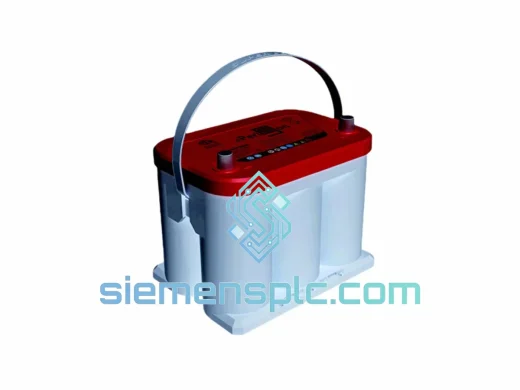
Shuangdeng 6-SPB-75 Lead-Carbon Battery
bon VRLA Battery SPB Series
Origin China (CN)
Lead-Carbon Battery
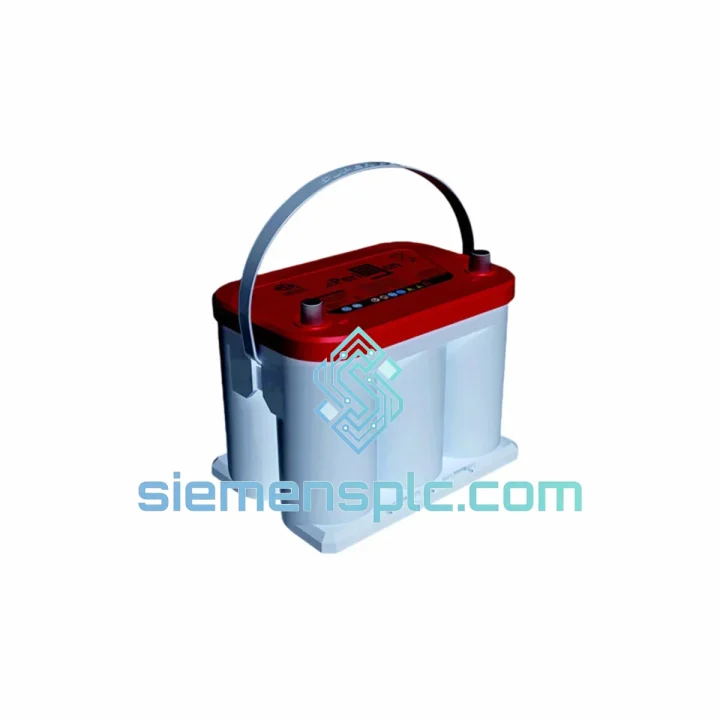
Request verified availability, condition, replacement risk review, packing options and courier lead time for 6-SPB-50B.
Click Request Quote and the part number is inserted into the inquiry form automatically.
Core fields for model confirmation and RFQ routing. Detailed product narrative remains below.
Your solar microgrid is dark. The telecom tower is running on fumes. The UPS just flagged a battery fault and your SCADA screen is throwing alarms. You’ve traced it to the Shuangdeng 6-SPB-50B — and you need it replaced before the next shift handover. We stock it. We ship it. We’ve done this hundreds of times for engineers in exactly your situation.
At siemensplc.com, we maintain ready inventory of the Shuangdeng 6-SPB-50B 12V 50Ah Lead-Carbon battery specifically to serve emergency replacement demand. No waiting on factory lead times. No freight consolidation delays. Your unit leaves Xiamen within 24 hours of order confirmation.
URGENT REQUIREMENT? Contact: [email protected] | WhatsApp: +86 18359268345
| Parameter | Specification | Status |
|---|---|---|
| Model | 6-SPB-50B | ✅ Ready to Ship |
| Brand | Shuangdeng (双登集团) | 100% Original |
| Series | Super Power Lead-Carbon (SPB) | — |
| Nominal Voltage | 12V (6 × 2V cells) | — |
| Rated Capacity | 50Ah @ C10, 25°C | — |
| Technology | Lead-Carbon (PbC) VRLA AGM | — |
| Cycle Life | ≥2,000 cycles @ 50% DoD | — |
| Charge Acceptance | Up to 4× standard VRLA | — |
| Self-Discharge | ≤3% / month @ 25°C | — |
| Discharge Temp Range | −40°C to +60°C | — |
| Charge Temp Range | −20°C to +50°C | — |
| Float Voltage | 13.5 – 13.8V @ 25°C | — |
| Equalization Voltage | 14.4 – 14.7V | — |
| Terminal Type | M6 bolt (F11) | — |
| Dimensions (L×W×H) | 229 × 138 × 211 mm | — |
| Weight | ~21 kg | — |
| Enclosure | ABS, valve-regulated, maintenance-free | — |
| Compliance | IEC 60896-21/22, GB/T 22473, CE, RoHS | — |
| Origin | China (Nanjing) | — |
After handling hundreds of field replacements on this exact model, here are the failure patterns and swap pitfalls that catch engineers off guard:
Top Failure Modes on the 6-SPB-50B:
Replacement Procedure (Step-by-Step):
The 6-SPB-50B is not a data-center battery. It was designed for the field — and the field is unforgiving.
Shuangdeng’s SPB series undergoes vibration testing per IEC 60896-21 Annex C, simulating the mechanical stress of transportation on rough roads and installation in equipment subject to continuous vibration (generators, compressor rooms, mobile substations). The AGM separator is compression-bonded to the plates, preventing plate shed and short-circuit under sustained vibration loads that would destroy flooded or gel cells.
High-temperature performance is validated to +60°C continuous discharge. The ABS enclosure is UV-stabilized for outdoor cabinet installations. Internal pressure relief valves are calibrated to vent at 10–35 kPa, preventing case deformation during overcharge events without allowing electrolyte loss under normal cycling.
In cold-climate deployments — telecom towers in northern China, Mongolia, or high-altitude sites — the lead-carbon chemistry maintains meaningful capacity down to −20°C charge and −40°C discharge, outperforming standard VRLA by a significant margin at sub-zero temperatures. Engineers deploying in these environments should derate capacity by approximately 30% at −10°C and 50% at −20°C for autonomy calculations.
Humidity resistance is achieved through the sealed VRLA construction. There is no free electrolyte to spill, no vent caps to clog, and no topping-up required. The battery can be installed in any orientation except inverted, making it suitable for space-constrained enclosures where upright mounting is not possible.
Our warehouse is located in Xiamen, Fujian Province — one of China’s primary export hubs with direct access to DHL, FedEx, and UPS international gateways. For battery shipments, we handle all dangerous goods documentation in-house:
Typical transit times from Xiamen:
For orders placed before 14:00 CST, same-day dispatch is available on in-stock units. We provide tracking numbers within 4 hours of shipment. For project quantities (10+ units), we coordinate consolidated freight with customs pre-clearance documentation to minimize port delays.
Emergency air freight for critical infrastructure projects is available on request — contact us directly for expedited handling.
Email: [email protected]
WhatsApp: +86 18359268345
Web: siemensplc.com
© 2026 siemensplc.com. All rights reserved.
We check the full part number, brand, series and visible nameplate information before quotation.
Sales confirms stock path, condition option, quantity and realistic lead time for export dispatch.
DHL, FedEx, UPS or buyer courier arrangements can be reviewed with packing requirements.
Similar brand or category products for fast comparison and multi-item RFQ lists.