B&R
RFQ Ready
B&R X20PS9400 PLC Power Supply Module – X20 Series
X20 PLC
Origin AT
PLC Power Supply Module
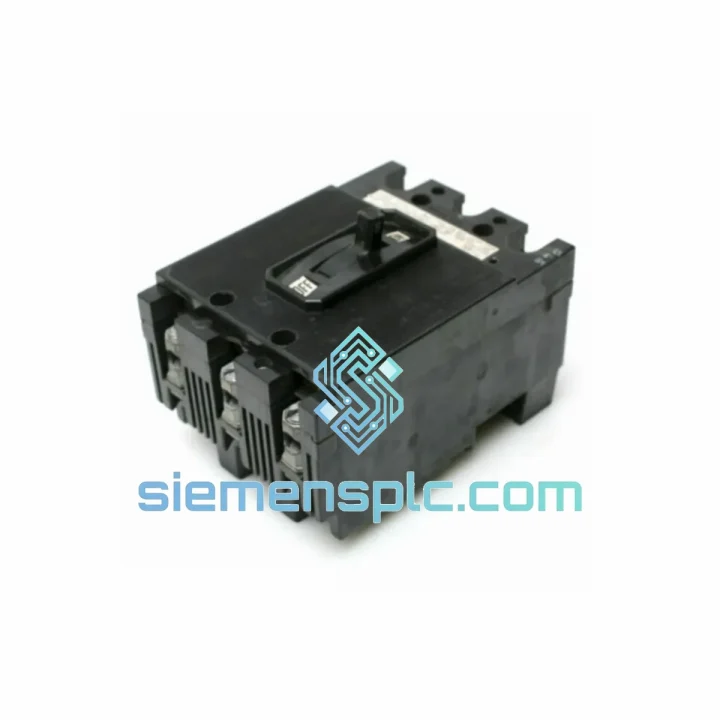
Request verified availability, condition, replacement risk review, packing options and courier lead time for CPCI-350Q-P-38.
Click Request Quote and the part number is inserted into the inquiry form automatically.
Core fields for model confirmation and RFQ routing. Detailed product narrative remains below.
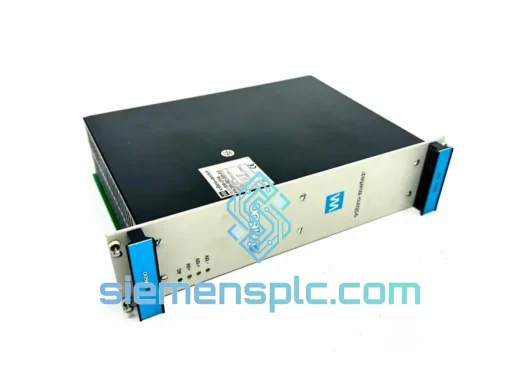
Every minute your CompactPCI chassis sits dark, the losses compound. A failed power supply module shouldn’t take your line down for a week while you chase lead times through a distributor chain. The VANGUARD CPCI-350Q-P-38 (PSMU-350-3) is on the shelf in Xiamen right now — verified, tested, and ready to move via DHL or FedEx within 24 hours of order confirmation. We’ve shipped this exact module to plants in Germany, South Korea, Brazil, and the UAE. The process is the same every time: order today, module at your door in 3–5 business days.
URGENT REQUIREMENT? Contact: [email protected] | WhatsApp: +86 18359268345
| Parameter | Specification | Status |
|---|---|---|
| Part Number | CPCI-350Q-P-38 / PSMU-350-3 | ✔ Ready to Ship |
| Manufacturer | VANGUARD | — |
| Form Factor | CompactPCI (CPCI) Power Supply Module | — |
| Input Voltage | AC 85–264 V (universal, auto-ranging) | — |
| Input Frequency | 47–63 Hz | — |
| Rated Output Power | 350 W | — |
| Output Rails | +3.3 V / +5 V / +12 V / −12 V (PICMG 2.11) | — |
| Efficiency | ≥ 80% at full load | — |
| Cooling Method | Forced-air via chassis fan tray | — |
| Hot-Swap Support | Yes — PICMG hot-swap compliant | — |
| Operating Temperature | 0 °C to +55 °C | — |
| Storage Temperature | −40 °C to +85 °C | — |
| Humidity | 5%–95% RH, non-condensing | — |
| Compliance | PICMG 2.11, CE, RoHS | — |
| MTBF | > 100,000 hours (MIL-HDBK-217F) | — |
| Weight | Approx. 150 g | — |
| Origin | China (Xiamen stocked) | ✔ In Stock |
Fault Symptom Recognition
Before pulling the module, confirm the fault is actually the PSU and not a downstream short. Measure the backplane +5 V and +12 V rails under no-load conditions. If both rails read zero with AC present and the chassis fan is dead, the PSMU-350-3 is the primary suspect. If only one rail is collapsed, check for a shorted peripheral board first — a bad processor card can drag down a healthy PSU.
Step-by-Step Replacement Procedure
Common Fault Codes & Root Causes
Configuration Notes
The CPCI-350Q-P-38 was not designed for a climate-controlled server room. It was built for the environments where things actually break: foundry control rooms with ambient temperatures pushing 50 °C, offshore platform control cabinets with salt-laden air, and railway trackside enclosures subject to constant mechanical vibration.
The PFC input stage uses X2-rated film capacitors with a 105 °C rating — not the 85 °C electrolytic capacitors that fail prematurely in hot environments. The DC-DC converter stage is potted against moisture ingress. The backplane connector is rated for 200 mating cycles, which matters when you’re doing scheduled maintenance on a rotating basis.
Vibration tolerance is validated to IEC 60068-2-6: 10–500 Hz sweep, 2 g acceleration. This covers the vibration spectrum of most industrial machinery and transportation applications. The module’s card guides and ejector latch mechanism are designed to maintain positive backplane contact under continuous vibration — a failure mode that plagues cheaper CPCI power supplies that use inferior guide materials.
Humidity performance is validated to 95% RH non-condensing. The conformal coating on the control board prevents dendritic growth on signal traces — the silent killer of power supply control circuits in humid coastal or tropical plant environments. If your facility runs above 80% RH regularly, this coating is not optional; it’s what separates a 2-year module life from a 10-year one.
Our warehouse is located in Xiamen, Fujian — one of China’s primary export hubs with direct access to DHL, FedEx, and UPS international gateways. This is not a drop-ship arrangement. The CPCI-350Q-P-38 is physically on our shelf, inspected, and labeled before you place the order.
Standard Express Timeline (from order confirmation):
We handle all export documentation: commercial invoice, packing list, and HS code declaration (HS 8504.40 for power supply modules). For customers requiring a Certificate of Origin or specific customs valuation documentation, notify us at order placement — we prepare these same-day.
For critical shutdowns where every hour counts, contact us via WhatsApp for same-day dispatch confirmation. We have processed emergency orders with 4-hour warehouse-to-carrier turnaround for customers facing production line shutdowns. That’s not a marketing claim — it’s a documented capability we’ve executed for automotive and semiconductor customers.
Shipping is available EXW Xiamen or CIF your port/airport. For orders above 5 units, we recommend DDP (Delivered Duty Paid) to eliminate customs clearance delays on your end. Ask us for a DDP quote when you submit your RFQ.
Email: [email protected]
WhatsApp: +86 18359268345
Web: siemensplc.com
© 2026 siemensplc.com. All rights reserved.
We check the full part number, brand, series and visible nameplate information before quotation.
Sales confirms stock path, condition option, quantity and realistic lead time for export dispatch.
DHL, FedEx, UPS or buyer courier arrangements can be reviewed with packing requirements.
Similar brand or category products for fast comparison and multi-item RFQ lists.