GE Fanuc
RFQ Ready
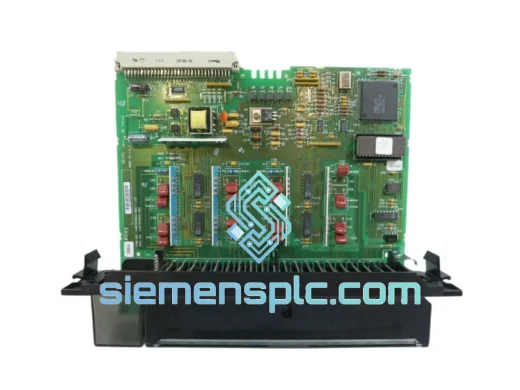
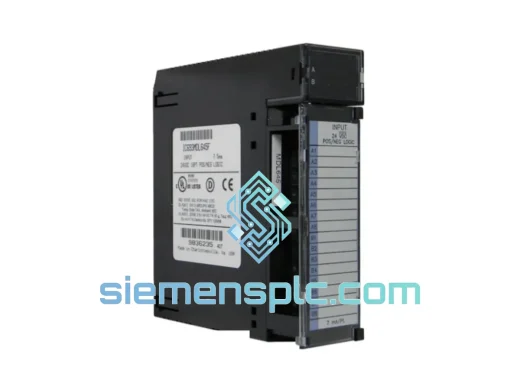
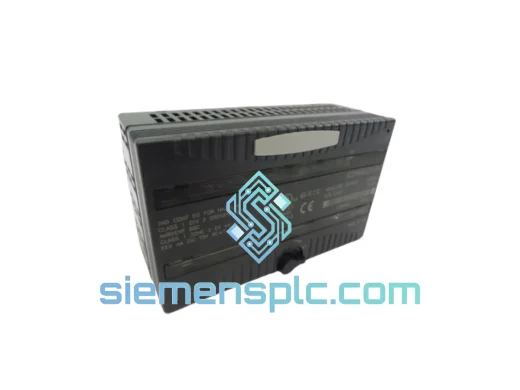
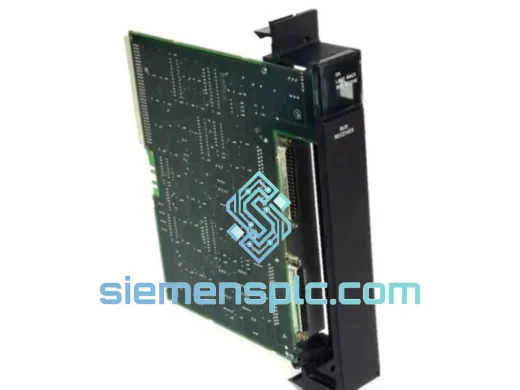
GE Fanuc IC697BEM711 Bus Receiver Module – Series 90-70
Fanuc
Origin US
Bus Receiver Module
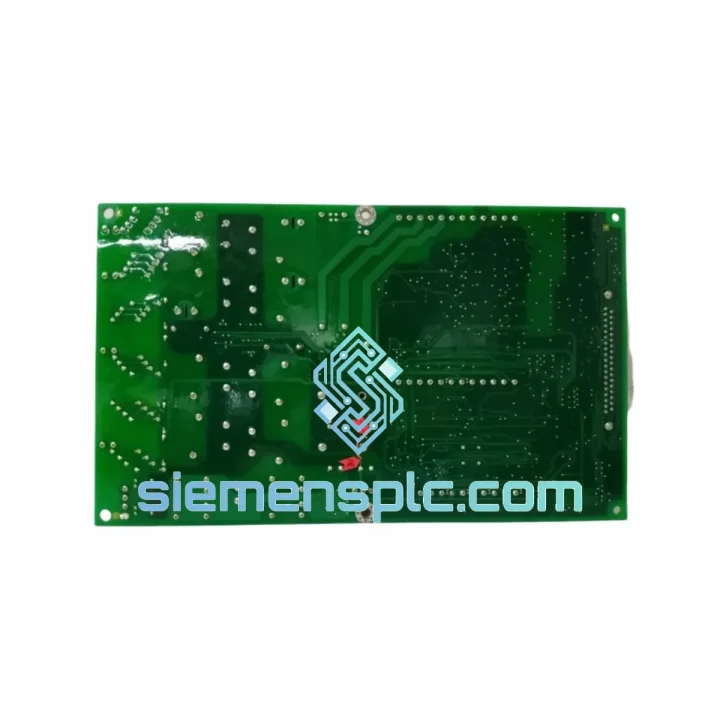
Request verified availability, condition, replacement risk review, packing options and courier lead time for IS200AEADH4ADA.
Click Request Quote and the part number is inserted into the inquiry form automatically.
Core fields for model confirmation and RFQ routing. Detailed product narrative remains below.
A failed exciter analog I/O module doesn’t wait for procurement cycles. When your Mark VI system throws a fault and the turbine trips offline, you’re looking at tens of thousands of dollars per hour in lost generation or process output. The GE FANUC IS200AEADH4ADA is one of the most failure-prone cards in aging Mark VI excitation racks — and it’s exactly what we keep on the shelf in Xiamen, ready to clear customs and land on your bench within 48–72 hours anywhere in the world.
We don’t run a catalog website. We run a parts desk staffed by people who understand what a PROT TRIP – EXCITER I/O FAULT alarm means at 2 AM. If you’re reading this page, you probably already know the part number. Let’s get it moving.
URGENT REQUIREMENT? Contact: [email protected] | WhatsApp: +86 18359268345
| Part Number | IS200AEADH4ADA ✅ Ready to Ship |
| Manufacturer | GE FANUC (GE Energy / GE Vernova) |
| Series | Mark VI / IS200 Series |
| Module Function | Exciter Analog I/O — signal conditioning for excitation control loops |
| I/O Type | Mixed analog input/output with differential signal support |
| Architecture Compatibility | Mark VI TMR (Triple Modular Redundant) and Simplex configurations |
| Mounting | Rack-mount, IS200 series card cage |
| Operating Temperature | 0°C to 60°C |
| Typical Applications | Frame 6B / 7E / 7F / 9E gas turbine excitation; steam turbine AVR loops |
| Condition Available | New surplus / Tested & certified |
| Stock Location | Xiamen, China — export-ready |
| Lead Time | Ships within 1 business day of payment confirmation |
After handling IS200AEADH4ADA failures across Frame 7 and Frame 9 sites, here are the patterns that actually matter when you’re on the clock:
Common Fault Signatures
Replacement Procedure — Field Checklist
The IS200AEADH4ADA was engineered for the inside of a turbine control enclosure — not a climate-controlled server room. GE designed the IS200 series to operate continuously in environments that would kill commercial-grade electronics within weeks.
The card’s PCB uses conformal coating on all signal-path components, providing resistance to condensation and airborne contaminants common in coastal power plants and offshore platforms. The analog front-end circuitry is specified to maintain accuracy across the full 0–60°C operating range, meaning a card that calibrates correctly at startup will hold its calibration through a full summer load cycle in a non-air-conditioned enclosure.
Vibration tolerance is addressed through through-hole component construction on the analog stages — surface-mount components are reserved for digital logic where vibration sensitivity is lower. This is a deliberate design choice that makes the IS200AEADH4ADA significantly more robust than later-generation cards that moved entirely to SMD construction.
Units we ship have been stored in controlled-humidity warehousing (RH < 60%) with anti-static packaging. Cards that have been on a shelf for years without proper storage develop oxide on connector pins and can exhibit intermittent contact faults. Every unit we dispatch is inspected for connector integrity and cleaned before packaging.
Our dispatch operation runs out of Xiamen, one of China’s primary export hubs with direct DHL and FedEx gateway access. Here’s what the timeline actually looks like:
We have shipped IS200 series cards to power plants in 40+ countries. If your site has specific import requirements — CITES, dual-use classification, end-user certificates — tell us upfront and we’ll handle the paperwork correctly the first time.
Email: [email protected]
WhatsApp: +86 18359268345
Web: siemensplc.com
© 2026 siemensplc.com. All rights reserved.
We check the full part number, brand, series and visible nameplate information before quotation.
Sales confirms stock path, condition option, quantity and realistic lead time for export dispatch.
DHL, FedEx, UPS or buyer courier arrangements can be reviewed with packing requirements.
Similar brand or category products for fast comparison and multi-item RFQ lists.