ABB
In Stock OK
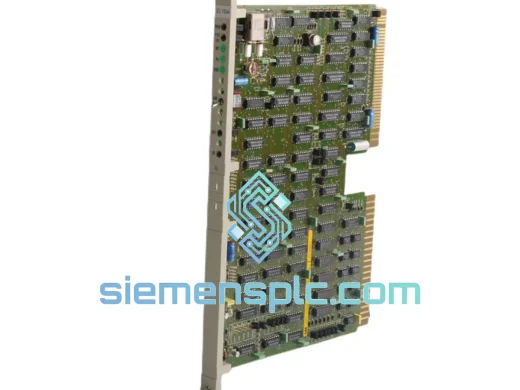
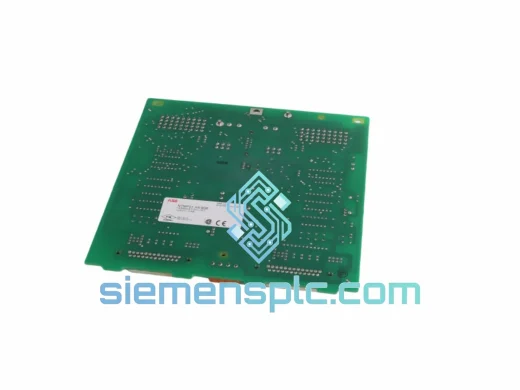
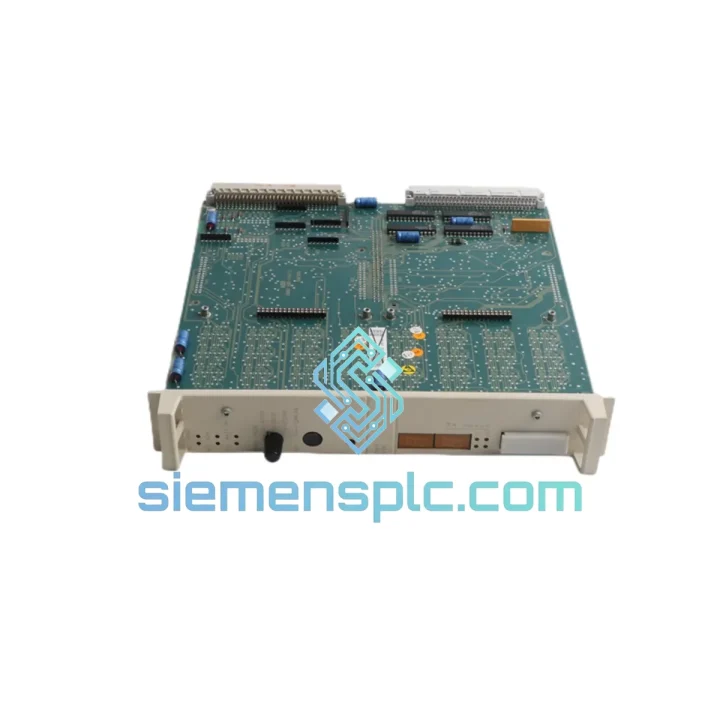
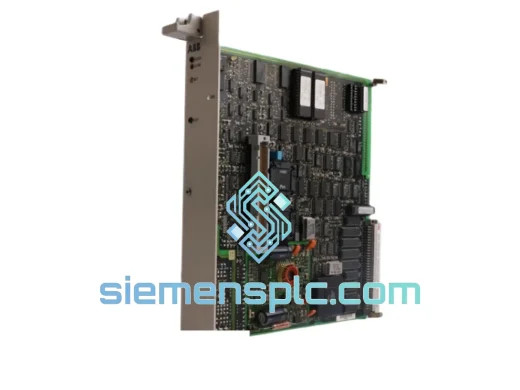
ABB DSPC172H CPU Module
Request verified availability, condition, replacement risk review, packing options and courier lead time for DSPC172H.
BrandABB
Part NumberDSPC172H
ConditionAvailability Check
Lead TimeRFQ Confirmation
DocumentsDatasheet / photos by RFQ
ShippingExport packing available
Auto-filled RFQ
DSPC172H
Click Request Quote and the part number is inserted into the inquiry form automatically.
- Reply by email: [email protected]
- WhatsApp / Tel: +86 18359268345
- Mon-Sat 9:00-18:00 GMT+8
Procurement Data
Key Product Information
Core fields for model confirmation and RFQ routing. Detailed product narrative remains below.
- Brand
- ABB
- Primary Part Number
- DSPC172H
- Product Type
- PLC / DCS CPU Module
- Series / Family
- Advant
- Manufacturer
- ABB
- Country of Origin
- SE
- Catalog Category
- DCS & Safety Modules
- Operating Temp.
- 0°C to +55°C
- Humidity
- 5–95% RH, non-condensing
- Compliance
- CE, RoHS
Model confirmed for inquiry
DSPC172H
Send quantity, destination and urgency. The RFQ form keeps this part number attached.
Request Quote
Product Overview
ABB DSPC172H Master CPU Module — Stop the Clock on Your Downtime
Every minute your line is down, you’re bleeding money. Whether it’s a sudden CPU fault, a corrupted firmware state, or a board-level failure that took your entire Advant OCS or MOD 300 system offline, the DSPC172H is the module you need — and we have it on the shelf right now. No lead-time games, no “check back in 6–8 weeks.” We ship from Xiamen within 24 hours of order confirmation via DHL Express or FedEx International Priority, so your engineers can have a replacement in hand before the next shift starts.
The ABB DSPC172H is the master CPU card at the heart of ABB’s DSPC-series distributed control architecture. It handles real-time process execution, inter-module communication over the RCOM/SATT bus, and coordinates all I/O transactions across the rack. When this card fails, nothing else in the cabinet matters. That’s why sourcing a verified, functional replacement — fast — is the only thing on your mind right now.
URGENT REQUIREMENT? Contact: [email protected] | WhatsApp: +86 18359268345
Quick Technical Datasheet
| Parameter | Specification |
|---|---|
| Manufacturer | ABB |
| Part Number | DSPC172H |
| Series | DSPC (Distributed System Process Controller) |
| Module Function | Master CPU — real-time process control & bus master |
| Bus Interface | RCOM / SATT backplane bus |
| Power Supply | 24 VDC via backplane connector |
| Operating Temperature | 0°C to +55°C |
| Storage Temperature | −40°C to +70°C |
| Humidity | 5–95% RH, non-condensing |
| Weight | Approx. 860 g |
| Form Factor | Single-width rack-mount card |
| Compliance | CE, RoHS |
| Condition | Original — 100% genuine ABB |
| Availability | ✅ Ready to Ship — Xiamen Stock |
Troubleshooting & Replacement Tips
Fifteen years of field calls on ABB Advant systems teach you a few things. Here’s what actually matters when you’re swapping a DSPC172H under pressure:
1. Confirm the fault before you pull the card. Check the front-panel LED status first. A solid red FAULT LED with no READY LED typically indicates a CPU self-test failure or corrupted boot ROM — that’s your DSPC172H. If READY is blinking but FAULT is also on, the issue may be a downstream I/O module or bus communication error; replacing the CPU won’t fix it. Pull the diagnostic log from your operator station before touching hardware.
2. Note the rotary address switch setting. The DSPC172H uses a physical rotary switch (SW1) on the card face to set its station address on the RCOM bus. Before removing the failed card, photograph or record the switch position. The replacement must be set to the identical address — mismatch will cause the system to fail to recognize the new CPU and generate a “Station Not Responding” alarm on startup.
3. Firmware version matching. The DSPC172H runs embedded firmware stored in EPROM. If your system is running a specific software release of ABB’s Advant Controller 450 or MOD 300, confirm the firmware revision on the replacement card matches your existing configuration. Mismatched firmware can cause subtle timing issues or prevent the card from joining the redundancy group. Request the firmware revision label from us before shipping if you have a specific version requirement.
4. Redundancy pair considerations. In redundant CPU configurations (DSPC172H + DSPC172H), the standby card must be at the same firmware level as the active card. After swapping, force a manual switchover to verify the new card can assume control cleanly before returning the system to automatic redundancy mode.
5. Common fault codes to know:
- F01 / CPU HALT — Watchdog timeout. Often caused by a failing card, but also check for backplane power rail sag (<23.5 VDC).
- F04 / BUS ERROR — RCOM bus fault. Could be the CPU card or a corrupted I/O module on the same bus segment. Isolate by removing I/O cards one at a time.
- F07 / MEMORY FAULT — RAM or EPROM failure on the CPU card itself. This is a definitive DSPC172H replacement indicator.
- F12 / COMM TIMEOUT — Loss of communication with operator station. Check SATT cable integrity before assuming CPU fault.
6. Cold-start procedure after replacement. After seating the new card and confirming the address switch, power the rack down completely for 30 seconds before restart. This clears any residual bus state that can cause the new CPU to fail its initialization handshake. Do not hot-swap unless your system documentation explicitly supports it for this card type.
Reliability in Harsh Conditions
The DSPC172H was engineered for continuous operation in environments that would kill consumer-grade electronics. ABB designed this card for deployment in oil refineries, chemical plants, and power generation facilities — places where ambient temperatures swing, vibration is constant, and humidity is never controlled.
The card’s conformal-coated PCB provides a barrier against moisture ingress and corrosive airborne contaminants common in petrochemical environments. The component selection — industrial-grade capacitors, mil-spec connectors, and gold-plated edge contacts — was deliberate. These are not cost-optimized choices; they are reliability choices made for a card expected to run 24/7 for a decade or more.
Every unit we ship has been stored in climate-controlled conditions and inspected for connector oxidation, capacitor bulge, and PCB delamination before dispatch. We do not ship cards that show signs of improper storage or handling. If a unit doesn’t pass our bench inspection, it doesn’t leave our warehouse.
Global Express Logistics
Our dispatch hub is in Xiamen, China — one of the country’s primary export ports with direct DHL and FedEx gateway access. Here’s how your order moves:
- Order confirmed → same-day or next-morning dispatch for orders placed before 14:00 CST.
- DHL Express Worldwide: Typical transit 2–4 business days to Europe, Middle East, Southeast Asia; 3–5 days to the Americas.
- FedEx International Priority: Available as an alternative carrier with comparable transit times and independent tracking.
- Export documentation: Commercial invoice, packing list, and certificate of origin prepared for every shipment. HS code 8537.10 applied for customs clearance.
- Customs support: We pre-declare accurate product values and descriptions to minimize customs hold risk. For sensitive destinations, we advise on documentation requirements before shipping.
- Tracking: AWB number sent within 2 hours of carrier pickup. Real-time tracking link provided via email.
We’ve shipped to refineries in Saudi Arabia, automotive plants in Germany, water treatment facilities in Australia, and paper mills in Canada. The logistics process is the same every time — fast, documented, and traceable.
Contact Information
Ready to order or need to confirm compatibility before committing? Reach us directly:
- Email: [email protected]
- WhatsApp: +86 18359268345
- Web: siemensplc.com
© 2026 siemensplc.com. All rights reserved.
Ready to quote
[email protected]
Send This Part Number to Sales
RFQ workflow
Quality workflow ->
Confirmation Process
01Model confirmation
We check the full part number, brand, series and visible nameplate information before quotation.
02Availability reply
Sales confirms stock path, condition option, quantity and realistic lead time for export dispatch.
03Packing & courier
DHL, FedEx, UPS or buyer courier arrangements can be reviewed with packing requirements.
Continue sourcing
Browse full catalog ->
Related Automation Parts
Similar brand or category products for fast comparison and multi-item RFQ lists.
ABB
RFQ Ready
ABB HESG448230R1/G 216EA61b DCS Processor Module
Advant
Origin SE
PLC / DCS Processor Module