ABB
RFQ Ready
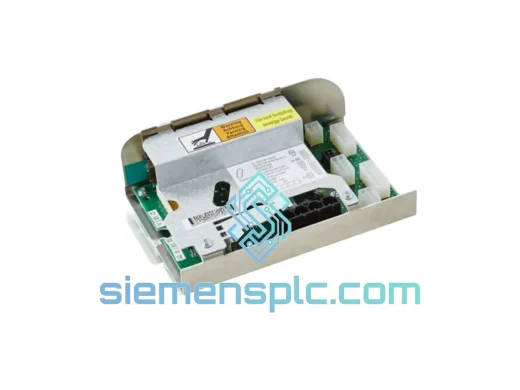
ABB DSQC662 3HAC026254-001 Power Distribution Board – IRC5 Series
IRC5
Origin SE
Power Distribution Board
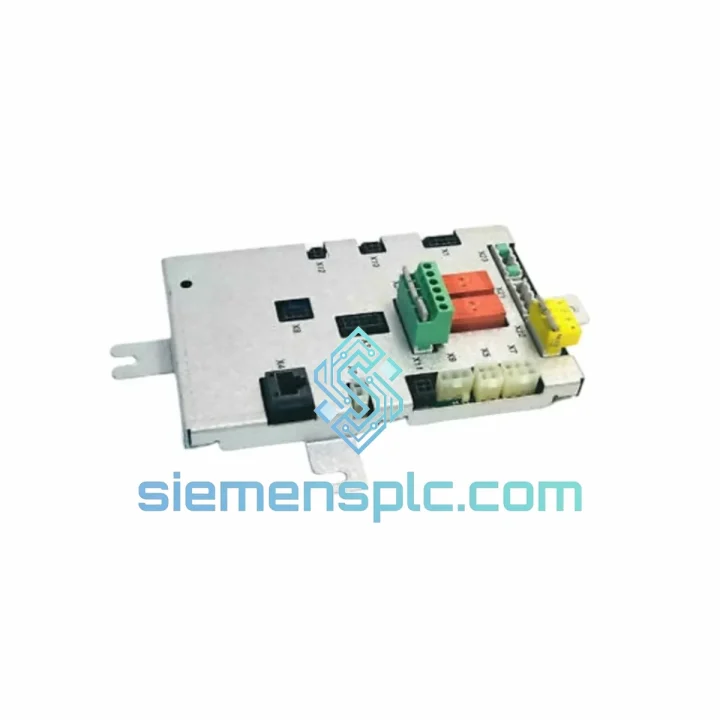
Request verified availability, condition, replacement risk review, packing options and courier lead time for 3HAC13389-2.
Click Request Quote and the part number is inserted into the inquiry form automatically.
Core fields for model confirmation and RFQ routing. Detailed product narrative remains below.
The ABB DSQC611, carrying the OEM part number 3HAC13389-2, is the main contactor switching module integrated into the ABB IRC5 robot controller cabinet. Its primary function is to govern the controlled energization and de-energization of the AC power bus feeding the drive system — a task that is deceptively simple in description but mechanically and electrically demanding in execution. In high-duty-cycle production environments, this module executes tens of thousands of switching cycles annually, each one subject to inrush current transients, back-EMF from motor loads, and the thermal stress of enclosed cabinet operation. Understanding its hardware architecture is prerequisite to specifying the correct replacement and maintaining system uptime.
Real-time Stock & RFQ: [email protected] | WhatsApp: +86 18359268345
| OEM Part Number | 3HAC13389-2 |
| Module Designation | DSQC611 |
| Manufacturer | ABB Robotics |
| Compatible Platform | ABB IRC5 — Single Cabinet, Dual Cabinet, Panel Mounted Controller |
| Controller Generations | M2004, M2006, M2010 |
| Functional Role | Main AC power contactor — controls drive system bus energization |
| Rated Supply Voltage | 200–600 V AC (50/60 Hz, application-dependent) |
| Coil Control Voltage | 24 V DC (sourced from IRC5 internal DSQC609 PSU) |
| Ambient Operating Temperature | 0°C to +55°C (inside cabinet enclosure) |
| Storage Temperature | −25°C to +70°C |
| Mounting Method | DIN rail / panel mount within IRC5 cabinet |
| Module Weight | 140 g |
| RoHS Compliance | Yes — Directive 2011/65/EU |
| CE Marking | Yes — EU Machinery Directive compliant |
| Warranty | 12 months from date of shipment |
The DSQC611 operates at the intersection of the IRC5 safety chain and the drive power bus. When the controller receives a power-on command — either from the FlexPendant or an external PLC signal via the system I/O — the main computer unit (DSQC639) asserts a 24 V DC coil signal to the DSQC611 contactor. This closes the main AC contacts, allowing three-phase power to flow to the drive modules (DSQC374 or equivalent axis computers). The sequence is not instantaneous: the IRC5 firmware enforces a pre-charge delay to limit inrush current through the DC bus capacitors in the drive units, preventing nuisance tripping of upstream circuit breakers and reducing mechanical stress on the contactor contacts themselves.
From an EMC standpoint, the DSQC611 is positioned within the IRC5 cabinet’s shielded enclosure, which provides a first layer of conducted and radiated emission suppression. The contactor coil circuit incorporates a freewheeling diode or RC snubber (depending on cabinet revision) to suppress the inductive kick generated when the coil is de-energized during E-stop or normal shutdown. This suppression is critical in automotive body-in-white environments where multiple robot controllers share a common 24 V DC supply rail — without it, coil de-energization transients would propagate onto the DC bus and potentially trigger false fault conditions in adjacent controllers.
The mechanical contact architecture uses silver-alloy contact tips rated for the full AC-3 duty category per IEC 60947-4-1, meaning the contacts are specified for switching inductive motor loads at rated current — not merely resistive loads. This distinction matters in practice: a contactor rated only for AC-1 (resistive) duty will exhibit accelerated contact erosion when switching the reactive drive loads of a six-axis robot, leading to premature failure within 12–18 months of production operation. The DSQC611’s AC-3 rating ensures contact life consistent with ABB’s IRC5 service interval recommendations.
Thermal management within the module relies on the IRC5 cabinet’s forced-air cooling system. The contactor body dissipates heat through conduction to the DIN rail and convection to the cabinet airflow. In dual-cabinet configurations where the drive cabinet operates at higher ambient temperatures, the DSQC611’s 55°C upper limit must be verified against the actual cabinet internal temperature — a measurement point often overlooked during preventive maintenance audits.
Every DSQC611 3HAC13389-2 unit dispatched from our Xiamen, China facility is an original ABB-manufactured component sourced through verified supply channels with documented chain-of-custody records. Upon receipt, each unit undergoes a structured incoming inspection protocol: visual examination of the module body and contact surfaces, label verification against the 3HAC13389-2 part number, and auxiliary contact continuity check. Units are stored in ESD-safe, climate-controlled warehousing at 20–25°C and 40–60% RH to prevent contact oxidation and insulation degradation during storage.
Outbound logistics are handled via DHL Express, FedEx International Priority, and UCP air freight, with typical transit times of 3–5 business days to Europe and North America, and 2–4 business days to Southeast Asia. Full export documentation is prepared for each shipment: commercial invoice, packing list, and HS code 8536.49 classification for customs clearance. For urgent production-down situations, same-day dispatch is available for orders confirmed before 14:00 CST. A 12-month functional warranty covers all units from date of shipment.
Email: [email protected]
WhatsApp: +86 18359268345
Web: siemensplc.com
Location: Xiamen, China
© 2026. All rights reserved.
We check the full part number, brand, series and visible nameplate information before quotation.
Sales confirms stock path, condition option, quantity and realistic lead time for export dispatch.
DHL, FedEx, UPS or buyer courier arrangements can be reviewed with packing requirements.
Similar brand or category products for fast comparison and multi-item RFQ lists.