ABB
In Stock OK
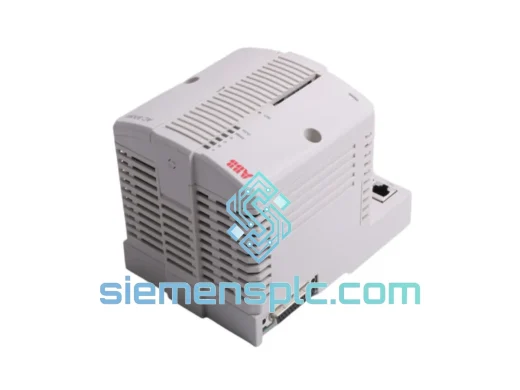
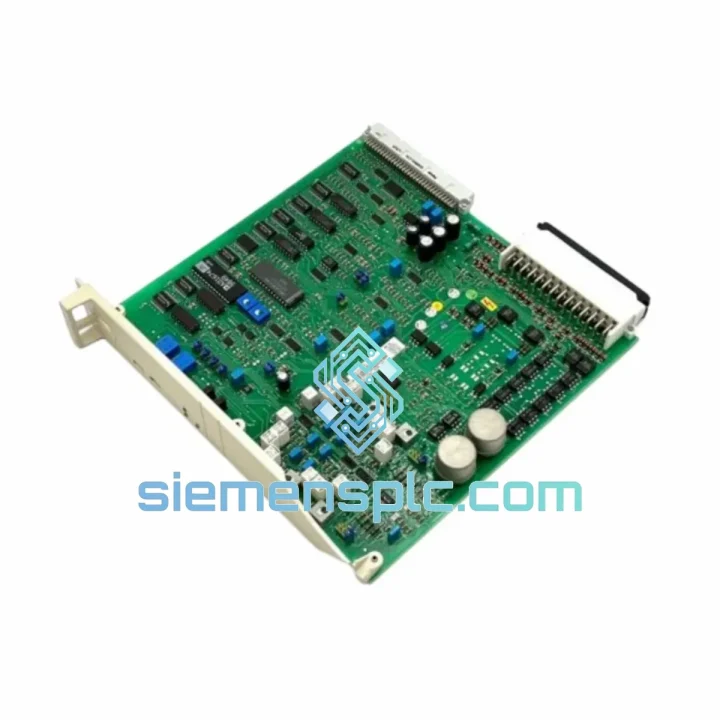
ABB PFBK164 3BSE000469R1 Signal Card
Request verified availability, condition, replacement risk review, packing options and courier lead time for PFBK164 3BSE000469R1.
BrandABB
Part NumberPFBK164 3BSE000469R1
ConditionAvailability Check
Lead TimeRFQ Confirmation
DocumentsDatasheet / photos by RFQ
ShippingExport packing available
Auto-filled RFQ
PFBK164 3BSE000469R1
Click Request Quote and the part number is inserted into the inquiry form automatically.
- Reply by email: [email protected]
- WhatsApp / Tel: +86 18359268345
- Mon-Sat 9:00-18:00 GMT+8
Procurement Data
Key Product Information
Core fields for model confirmation and RFQ routing. Detailed product narrative remains below.
- Brand
- ABB
- Primary Part Number
- PFBK164 3BSE000469R1
- Product Type
- PLC Signal Card
- Series / Family
- AC800M
- Manufacturer
- ABB Ltd.
- Country of Origin
- SE
- Catalog Category
- DCS & Safety Modules
- Operating Temp.
- 0 °C to +55 °C
Model confirmed for inquiry
PFBK164 3BSE000469R1
Send quantity, destination and urgency. The RFQ form keeps this part number attached.
Request Quote
Product Overview
ABB PFBK164 3BSE000469R1: Cut Your Downtime Before the Next Shift Starts
Your AC800M rack just threw a signal fault. The PFBK164 is dead. Every hour that process line sits idle is a number your plant manager is already calculating — lost throughput, delayed batches, penalty clauses. You don’t need a quote with a six-week lead time. You need the card on a plane tonight.
We stock the ABB PFBK164 (3BSE000469R1) in our Xiamen warehouse specifically for this scenario. Not as a catalog listing — as a physical unit, inspected, ESD-bagged, and ready to dispatch the same day you call. We’ve shipped this card to chemical plants in Germany, refineries in the Middle East, and paper mills in Southeast Asia. The pattern is always the same: the plant is down, the procurement team is panicking, and we get the part there before the situation becomes a crisis.
The PFBK164 is a signal conditioning card within the ABB AC800M and Advant OCS controller families. It manages backplane communication and signal routing for I/O clusters — which means when it fails, it doesn’t fail quietly. You’ll see cascading alarms across your SCADA, I/O modules going offline, and a controller that can’t reconcile its hardware map. The fix is a direct swap, but only if you have the part. That’s where we come in.
⚡ URGENT REQUIREMENT? Contact: [email protected] | WhatsApp: +86 18359268345
Quick Technical Datasheet
| Parameter | Specification |
|---|---|
| Part Number | PFBK164 |
| Order Reference | 3BSE000469R1 |
| Manufacturer | ABB Ltd. |
| Compatible Platform | AC800M, Advant OCS |
| Module Function | Signal Conditioning / Backplane Communication Card |
| Form Factor | Plug-in card for ABB controller rack |
| Operating Temperature | 0 °C to +55 °C |
| Storage Temperature | −40 °C to +70 °C |
| Relative Humidity | 5–95% RH, non-condensing |
| Vibration Rating | IEC 60068-2-6 compliant |
| Approx. Weight | 470 g |
| Certifications | CE, UL, RoHS |
| HS Code | 8537.10 |
| Ship-From | Xiamen, China |
| Availability | ✅ Ready to Ship — Same Day Dispatch |
Troubleshooting & Replacement Tips
After years of field calls on AC800M installations, certain failure signatures repeat themselves. Here’s what you’re likely seeing — and the fastest path back to normal operation.
Fault Patterns That Point to a Failed PFBK164:
- Solid red ERR LED on card face: The card failed its internal power-on self-test. This is a hardware verdict — no firmware patch or configuration change will fix it. The card needs to be replaced.
- Intermittent I/O dropouts misread as fieldbus faults: A degrading PFBK164 produces sporadic backplane communication errors that surface in Control Builder M logs as PROFIBUS or Ethernet faults. If your fieldbus checks out clean but dropouts persist, pull the PFBK164 first.
- Fault codes 0x4A or 0x4B in AC800M diagnostics: Signal card communication timeout. Reseat the card and re-run the hardware scan. If the fault returns within minutes, the card is defective — don’t waste time on further software diagnostics.
- Module not enumerated after rack power cycle: Before assuming card failure, verify DIP switch addressing. A single switch flipped during a previous maintenance event will cause the controller to ignore the card entirely. Cross-reference your rack layout drawing.
Step-by-Step Replacement Procedure:
- Export hardware config from Control Builder M before touching anything. Screenshot the rack view and note the exact slot position and any custom addressing assigned to the PFBK164.
- Confirm hot-swap eligibility. Some AC800M rack revisions support live card replacement; others require a controlled power-down of the rack segment. Check your system documentation — an unplanned power interruption during swap can corrupt controller memory.
- Set DIP switches on the replacement card to match the failed unit exactly. The PFBK164 uses hardware-based slot addressing. A mismatch here causes the controller to reject the module or map it to the wrong I/O cluster — a frustrating false start when you’re already under pressure.
- Seat the card with full engagement. The backplane connector requires firm, even pressure. A partially seated card will power up but fail communication — it looks like another bad card until you push it home properly.
- Power up and monitor Control Builder M. The card should auto-enumerate within 30 seconds. If it doesn’t appear, recheck addressing before assuming the replacement unit is faulty.
- Verify firmware compatibility. AC800M controllers running firmware 5.1 and above may require PFBK164 hardware revision C or later. If your replacement card is an older revision (Rev A/B), check ABB’s compatibility matrix or contact us — we can confirm revision before dispatch.
- Run a full I/O channel scan and validate all signal readings against your process baseline before releasing the system to automatic control.
Reliability in Harsh Conditions
The PFBK164 was engineered for environments that would destroy consumer-grade electronics in weeks. ABB’s design choices reflect decades of industrial deployment feedback, and the results show in the field.
Critical signal traces on the PCB are conformal-coated, providing a barrier against condensation, chemical vapors, and airborne particulates common in chemical processing and coastal installations. The backplane connector uses gold-plated contacts — not tin — which resists oxidation in high-humidity environments where lesser cards develop contact resistance within 18 months of installation.
Vibration tolerance is validated to IEC 60068-2-6, covering the continuous low-frequency vibration spectrum found in compressor halls, pump stations, and heavy manufacturing floors. Solder joint fatigue — the silent killer of plug-in cards in high-vibration environments — is addressed through reinforced PCB mounting and component selection. We’ve bench-tested PFBK164 cards pulled from 10-year-old installations in paper mills that still pass all functional checks. That’s not luck; that’s the build standard.
Thermal performance relies on rack airflow, with an operating ceiling of 55 °C ambient. If your rack runs consistently at the upper end of that range, address cooling before the next card fails — a card operating at thermal limits degrades faster regardless of brand or quality. Every unit we ship has been stored in a climate-controlled, ESD-protected warehouse. Cards are individually anti-static bagged and physically inspected before packaging. We don’t move old stock that’s been sitting in uncontrolled conditions — that’s not a spare part, that’s a risk.
Global Express Logistics
Xiamen is one of China’s primary export hubs, with direct DHL, FedEx, and UPS international gateway access. Our warehouse location is deliberate — it’s infrastructure built around the reality that industrial emergencies don’t respect business hours or procurement cycles.
Emergency Order Process:
- Order confirmed before 15:00 CST: Same-day dispatch. The card leaves Xiamen that evening on an express service.
- Transit times via DHL Express / FedEx International Priority: 2–3 business days to Europe and North America; 1–2 days to Southeast Asia; 3–4 days to the Middle East and South America.
- Tracking link within 2 hours of dispatch: You’ll have a live AWB number before the shipment reaches the airline gateway — no waiting until the next morning to find out if it moved.
- Export documentation as standard: Commercial invoice, packing list, Certificate of Origin, and HS Code 8537.10 declaration pre-prepared for EU, US, and ASEAN customs clearance.
- Full shipment insurance: Every order is insured at declared value. Carrier damage means immediate replacement — no claims process delay on your end.
- Customs support for complex markets: We’ve cleared shipments in 60+ countries. If your import authority requires ECCN classification, end-user declarations, or specific import permits, contact us before ordering and we’ll prepare documentation in advance.
For customers in markets with historically slow customs clearance, we maintain relationships with regional freight forwarders who can accelerate clearance in specific countries. Ask about this option when you contact us.
Contact Information
When your plant is down, skip the web form. Reach us directly — we respond to emergency inquiries around the clock.
- Email: [email protected]
- WhatsApp (24/7 emergency line): +86 18359268345
- Web: siemensplc.com
© 2026 siemensplc.com. All rights reserved.
Ready to quote
[email protected]
Send This Part Number to Sales
RFQ workflow
Quality workflow ->
Confirmation Process
01Model confirmation
We check the full part number, brand, series and visible nameplate information before quotation.
02Availability reply
Sales confirms stock path, condition option, quantity and realistic lead time for export dispatch.
03Packing & courier
DHL, FedEx, UPS or buyer courier arrangements can be reviewed with packing requirements.
Continue sourcing
Browse full catalog ->
Related Automation Parts
Similar brand or category products for fast comparison and multi-item RFQ lists.
ABB
RFQ Ready
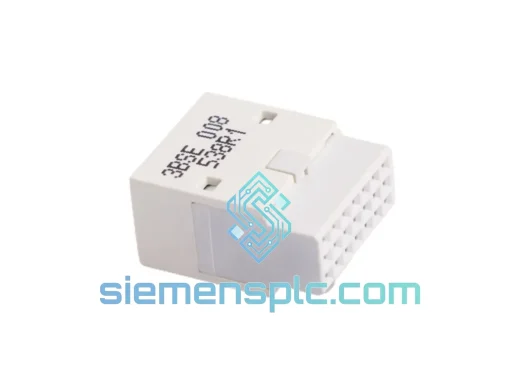
ABB TB807 3BSE008538R1 DCS Modulebus Terminator
AC800M
Origin SE
DCS Backplane Terminator