ABB
In Stock OK
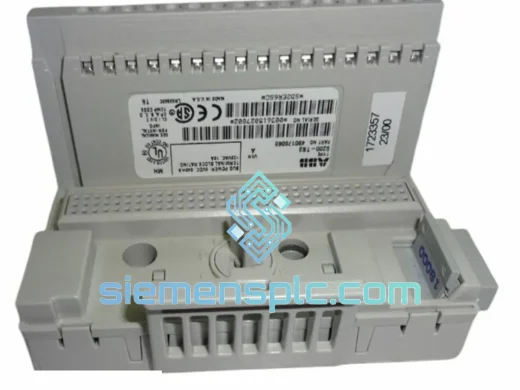
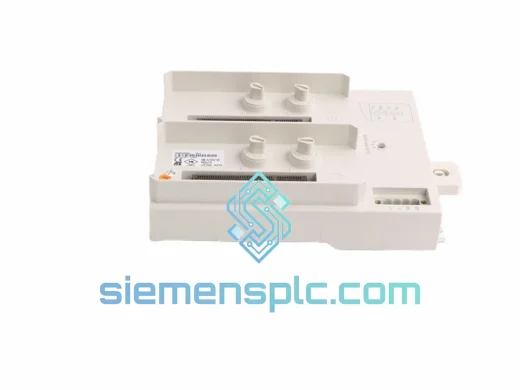
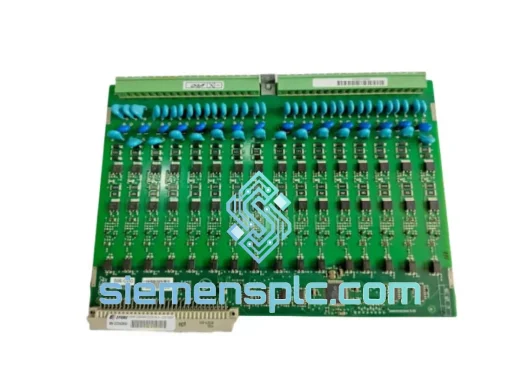
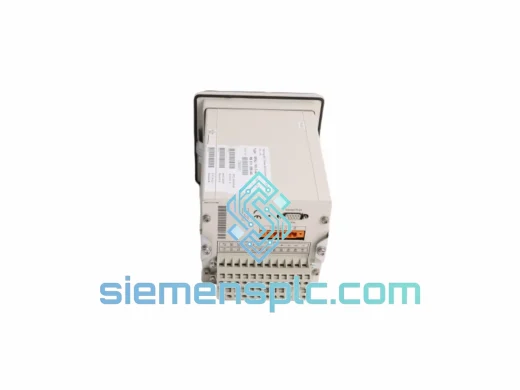
ABB 1KHJ044010R0001 P4LG Protection Relay
Request verified availability, condition, replacement risk review, packing options and courier lead time for 1KHJ044010R0001 P4LG.
BrandABB
Part Number1KHJ044010R0001 P4LG
ConditionAvailability Check
Lead TimeRFQ Confirmation
DocumentsDatasheet / photos by RFQ
ShippingExport packing available
Auto-filled RFQ
1KHJ044010R0001 P4LG
Click Request Quote and the part number is inserted into the inquiry form automatically.
- Reply by email: [email protected]
- WhatsApp / Tel: +86 18359268345
- Mon-Sat 9:00-18:00 GMT+8
Procurement Data
Key Product Information
Core fields for model confirmation and RFQ routing. Detailed product narrative remains below.
- Brand
- ABB
- Primary Part Number
- 1KHJ044010R0001 P4LG
- Product Type
- Protection Relay
- Product Family
- Other series
- Country of Origin
- SE
- Model Function
- Protection Relay + Measurement Unit
- Catalog Category
- Relays & Protection
- Operating Temp.
- -20°C to +60°C
Model confirmed for inquiry
1KHJ044010R0001 P4LG
Send quantity, destination and urgency. The RFQ form keeps this part number attached.
Request Quote
Product Overview
ABB 1KHJ044010R0001 P4LG — Stop the Clock on Your Downtime. Ship Today.
Every minute your line is down, you’re bleeding money. A tripped protection relay, a blown measurement unit, a panel that won’t come back online — these aren’t abstract problems. They’re $10,000-per-hour problems. The ABB 1KHJ044010R0001 is a P4LG-platform protection and measurement relay that sits at the heart of motor control centers, LV switchgear, and process automation panels worldwide. When it fails, nothing downstream works. We stock it. We ship it today.
We’ve pulled this unit off the shelf for petrochemical plants in the Middle East, food processing lines in Southeast Asia, and water treatment facilities in Europe — all on emergency calls. The pattern is always the same: the relay trips, the backup isn’t on-site, and procurement lead times from the OEM are 6–10 weeks. That’s where we come in. Stock confirmed. DHL Express label printed within hours of your order.
URGENT REQUIREMENT? Contact: [email protected] | WhatsApp: +86 18359268345
Quick Technical Datasheet
| Parameter | Specification | Status |
|---|---|---|
| Part Number | 1KHJ044010R0001 | ✅ Ready to Ship |
| Series / Platform | ABB P4LG | ✅ In Stock |
| Function | Protection Relay + Measurement Unit | — |
| Mounting | DIN Rail (EN 60715 / TS 35) | — |
| Measured Parameters | U, I, P, Q, S, f, PF (3-phase) | — |
| Protection Functions | Overcurrent, Undervoltage, Overvoltage, Phase Loss, Phase Sequence | — |
| Relay Output | NO/NC configurable contact outputs | — |
| Communication | Modbus RTU / ABB system bus (model-dependent) | — |
| Auxiliary Supply | 24–240 V AC/DC universal input | — |
| Operating Temperature | -20°C to +60°C | — |
| Protection Class | IP20 front / IP40 terminals | — |
| Standards | IEC 60255, IEC 61010-1, CE | — |
| Country of Origin | Germany | — |
| Dispatch Location | Xiamen, China | ✅ Ships Same Day |
Troubleshooting & Replacement Tips
Most common failure modes on the 1KHJ044010R0001 in the field:
1. Relay output contact welding. In high-cycle motor start/stop applications — compressors, pumps, conveyors — the output contacts see inductive switching loads repeatedly. Over time, the contacts weld closed or fail to close. Symptom: contactor won’t drop out on fault, or motor won’t start despite healthy supply. Confirm with a continuity check across the relay output terminals with auxiliary supply removed. If the contact is welded, the unit is unserviceable — replace immediately.
2. Auxiliary supply failure. The universal 24–240 V AC/DC input is robust, but transient overvoltages from nearby VFD switching or capacitor bank switching can damage the internal SMPS. Symptom: unit is completely dark, no LED activity, no Modbus response. Before condemning the relay, verify auxiliary supply voltage at the terminals with a calibrated meter. If supply is present and within spec, the unit’s internal power stage has failed — replace the module.
3. CT input saturation / measurement drift. If the unit is reporting wildly inaccurate current readings or nuisance-tripping on overcurrent with no actual overload, check the CT secondary wiring first. An open CT secondary will drive the measurement input into saturation. Verify CT ratio matches the configured setting on the relay front panel. Reconfigure if a CT was swapped during a previous maintenance event without updating the relay parameters.
Replacement procedure — step by step:
① De-energize the panel and lock out / tag out per your site LOTO procedure. Verify absence of voltage on all terminals with a calibrated tester.
② Photograph the existing wiring before disconnecting — terminal numbering on the P4LG is straightforward, but a photo saves 20 minutes of head-scratching.
③ Note all parameter settings on the front panel display before removal: overcurrent threshold, trip delay, CT ratio, phase sequence setting, and any Modbus address configured.
④ Remove the unit from the DIN rail. The P4LG uses a standard snap-fit DIN clip — press the release tab at the bottom with a flathead screwdriver while tilting the unit forward.
⑤ Install the replacement 1KHJ044010R0001. Reconnect all terminals per your photograph and the original wiring diagram.
⑥ Re-enter all parameters noted in step ③. Do not power up with factory defaults if the CT ratio or trip thresholds differ from your application — a factory-default overcurrent threshold may be too low or too high for your motor FLA.
⑦ If Modbus RTU is used: confirm the Modbus node address matches the address previously assigned. A duplicate address on the RS-485 bus will cause communication conflicts across all devices on that segment.
⑧ Restore power. Verify LED status indicators: green = healthy supply, no fault. Confirm Modbus communication is re-established at the SCADA/DCS level before releasing the equipment to operations.
Common fault codes and what they actually mean:
— OC (Overcurrent): Phase current exceeded the configured threshold for longer than the trip delay. Check motor load, CT ratio setting, and whether a mechanical jam or locked rotor condition exists.
— UV (Undervoltage): Supply voltage dropped below threshold — often caused by upstream MCCB tripping or a loose busbar connection. Don’t replace the relay; fix the supply first.
— PL (Phase Loss): One or more phases missing at the measurement input. Check upstream fuses and CT wiring integrity before assuming the relay is at fault.
— PS (Phase Sequence): Phase rotation does not match the configured sequence. If a motor was reconnected after maintenance, two phases may have been swapped — correct at the motor terminals, not the relay.
Reliability in Harsh Conditions
The P4LG platform was not designed for a climate-controlled server room. It was designed for the inside of a steel enclosure bolted to a wall in a cement plant, a petrochemical terminal, or a port crane — where ambient temperatures swing from -10°C at night to +55°C by midday, where vibration from nearby machinery is constant, and where humidity condenses on every surface during seasonal transitions.
The housing meets IP20 on the front face and IP40 at the terminal block — adequate for panel-interior mounting where the enclosure itself provides the primary environmental barrier. The PCB assembly uses conformal coating on critical signal traces, providing resistance to condensation and airborne contaminants including sulfur compounds common in chemical processing environments.
Vibration tolerance is validated to IEC 60068-2-6 (sinusoidal vibration) and IEC 60068-2-27 (shock), covering the mechanical stress profiles typical of compressor skids and marine applications. The DIN rail snap-fit mechanism maintains positive retention under sustained vibration — a known failure point on cheaper relay alternatives that use friction-only mounting.
Thermal cycling endurance is validated across the full -20°C to +60°C operating range, with the internal SMPS designed to maintain regulation across the entire 24–240 V AC/DC auxiliary supply range without derating. In high-ambient installations above 50°C, ensure the panel enclosure provides adequate ventilation — the relay itself is rated, but sustained operation at the thermal ceiling reduces contact life on the output relays.
Every unit we dispatch is inspected for physical integrity: housing cracks, terminal block damage, label legibility (part number, date code, CE marking), and connector pin condition. Units that show any sign of prior installation, repackaging, or counterfeit labeling are rejected. You receive a unit that is ready to install, not one that needs to be inspected again on your end.
Global Express Logistics
Our dispatch hub is in Xiamen, China — one of the most logistics-efficient export cities on the mainland, with direct DHL Express and FedEx International Priority connections to major industrial hubs across Europe, the Middle East, Southeast Asia, and the Americas.
Standard emergency shipment timeline:
— Order confirmed + payment cleared before 14:00 CST → same-day dispatch
— DHL Express door-to-door: Europe 2–3 business days, Middle East 2–4 days, Southeast Asia 1–2 days, North America 3–5 days
— FedEx International Priority available as alternative carrier on request
— Tracking number provided within 2 hours of dispatch
— Commercial invoice and packing list prepared to your Incoterms (DDP, DAP, or EXW)
For customers in regions with complex customs clearance — India, Brazil, Saudi Arabia, Indonesia — we prepare documentation proactively: HS code 8536.49 (protection relays), accurate declared value, and country-of-origin certificate where required. We’ve cleared customs in 40+ countries and know where the friction points are. We handle it so your team doesn’t have to.
For multi-unit emergency orders or standing stock agreements, contact us directly. We can hold allocated inventory against a blanket PO for customers with recurring demand — eliminating the lead time risk entirely for your critical spare parts program.
Contact Information
📧 Email: [email protected]
📱 WhatsApp: +86 18359268345
🌐 Web: siemensplc.com
© 2026 siemensplc.com. All rights reserved.
Ready to quote
[email protected]
Send This Part Number to Sales
RFQ workflow
Quality workflow ->
Confirmation Process
01Model confirmation
We check the full part number, brand, series and visible nameplate information before quotation.
02Availability reply
Sales confirms stock path, condition option, quantity and realistic lead time for export dispatch.
03Packing & courier
DHL, FedEx, UPS or buyer courier arrangements can be reviewed with packing requirements.
Continue sourcing
Browse full catalog ->
Related Automation Parts
Similar brand or category products for fast comparison and multi-item RFQ lists.