
ABB
In Stock OK
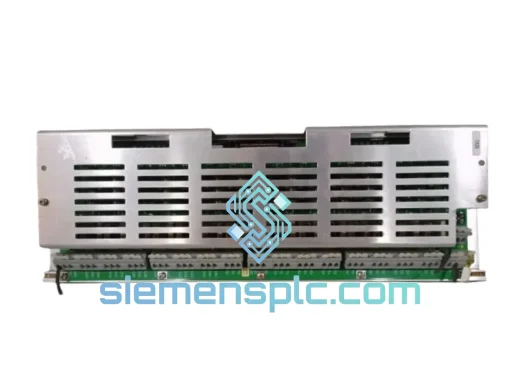
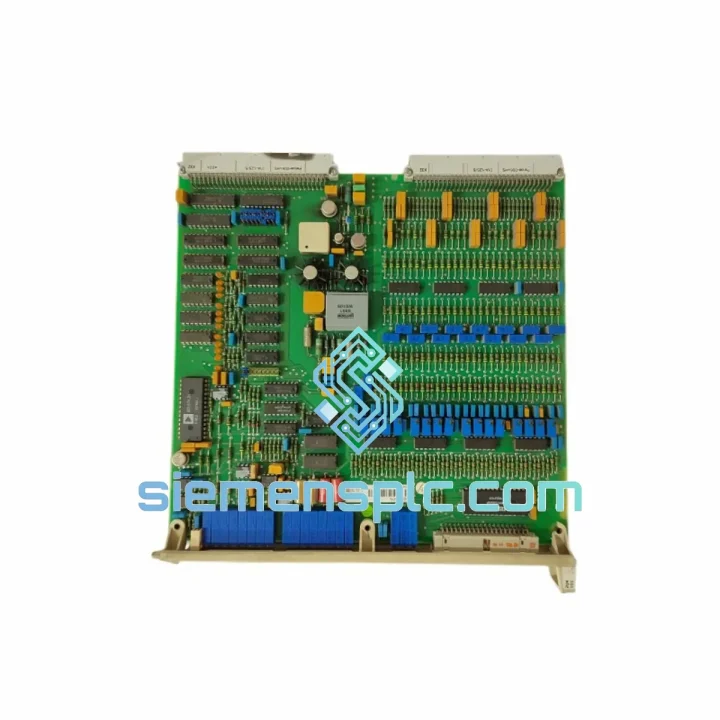
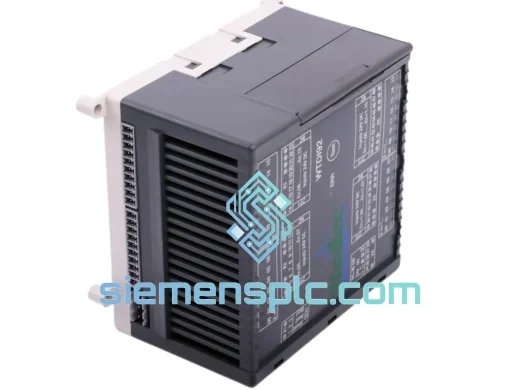
ABB 3BSE003127R1 DSAI 130D Analog Input Module
Request verified availability, condition, replacement risk review, packing options and courier lead time for 3BSE003127R1 DSAI 130D.
BrandABB
Part Number3BSE003127R1 DSAI 130D
ConditionAvailability Check
Lead TimeRFQ Confirmation
DocumentsDatasheet / photos by RFQ
ShippingExport packing available
Auto-filled RFQ
3BSE003127R1 DSAI 130D
Click Request Quote and the part number is inserted into the inquiry form automatically.
- Reply by email: [email protected]
- WhatsApp / Tel: +86 18359268345
- Mon-Sat 9:00-18:00 GMT+8
Procurement Data
Key Product Information
Core fields for model confirmation and RFQ routing. Detailed product narrative remains below.
- Brand
- ABB
- Primary Part Number
- 3BSE003127R1 DSAI 130D
- Product Type
- Analog Input Module
- Series / Family
- Advant
- Manufacturer
- ABB (Asea Brown Boveri)
- Country of Origin
- SE
- Catalog Category
- I/O Modules
- Operating Temp.
- 0 °C to +55 °C
- Humidity
- 5–95% RH, non-condensing
Model confirmed for inquiry
3BSE003127R1 DSAI 130D
Send quantity, destination and urgency. The RFQ form keeps this part number attached.
Request Quote
Product Overview
ABB 3BSE003127R1 DSAI 130D — Stop the Clock on Your Unplanned Shutdown
Every hour your Advant DCS sits idle with a failed analog input board costs real money. Production lines stall, SLA penalties accumulate, and maintenance crews stand around waiting. The ABB DSAI 130D (3BSE003127R1) is a 16-channel analog input module built for the AC31 and Advant controller platforms — and we have it on the shelf in Xiamen, tested, boxed, and ready to move the moment you confirm your order.
This is not a refurbished board dressed up with a new label. It is original ABB hardware, sourced from authenticated channels, verified against OEM reference documentation, and power-cycled in a compatible rack before it ships. When your process engineer calls at 2 AM because the DCS is throwing channel faults across the board, this is the part that ends the call.
URGENT REQUIREMENT? Contact: [email protected] | WhatsApp: +86 18359268345
Quick Technical Datasheet
| Parameter | Specification | Status |
|---|---|---|
| Part Number | 3BSE003127R1 | ✔ Ready to Ship |
| Model | DSAI 130D | ✔ In Stock |
| Manufacturer | ABB (Asea Brown Boveri) | — |
| Compatible Platform | AC31 / Advant OCS / MOD 300 (via adapter) | — |
| Module Function | Analog Input Board | — |
| Input Channels | 16 single-ended / 8 differential | — |
| Signal Range | 4–20 mA, 0–10 V DC, thermocouple (type-dependent) | — |
| A/D Resolution | 12-bit | — |
| Input Impedance | ≥10 MΩ (voltage) / 250 Ω (current) | — |
| Channel Isolation | Galvanic, channel-to-bus | — |
| Backplane Power | 5 VDC / 24 VDC via rack | — |
| Operating Temperature | 0 °C to +55 °C | — |
| Storage Temperature | −25 °C to +70 °C | — |
| Humidity | 5–95% RH, non-condensing | — |
| Form Factor | Single-width Advant I/O rack card | — |
| Certifications | CE, UL (platform-level) | — |
| Origin | Germany | — |
| Dispatch Lead Time | Same day / next business day | ✔ Ready to Ship |
Troubleshooting & Replacement Tips
The DSAI 130D fails in predictable ways. Here is what ten years of field calls teaches you:
Fault Code SF (System Fault) on the rack LED: Nine times out of ten this is a dead board, not a rack problem. Swap the DSAI 130D first before pulling the bus coupler. The board’s internal watchdog trips on power transients and does not always recover on its own. A hard power cycle of the rack slot — not just a software reset — is required to confirm the fault is board-resident.
All channels reading 0 mA or pegged at 20 mA simultaneously: This is a classic A/D converter failure or a blown input protection fuse on the board. Check the field wiring loop supply first (confirm 24 VDC at the transmitter terminals), then swap the board. Do not waste time recalibrating — if all channels fail together, the hardware is gone.
Intermittent channel dropouts on channels 9–16 only: The DSAI 130D uses two multiplexer banks. Dropout confined to the upper bank (channels 9–16) points to a failed MUX IC or a cracked solder joint on the secondary input stage. This fault is temperature-sensitive — it often appears after the panel heats up during the day shift and clears overnight. Replace the board; do not attempt field-level rework on the multiplexer.
Replacement configuration checklist — do this before you power up the new board:
- Confirm the rack slot address matches the original board’s configured node address in the Advant Engineer workstation. The DSAI 130D uses backplane-based addressing — no physical DIP switches on this model. Slot position is the address. Do not move it to a different slot without updating the AEW configuration.
- Verify firmware revision compatibility. If your Advant OCS controller is running an older firmware baseline, a newer board revision (R2 vs R1) may require a configuration download to re-establish channel mapping. Check the AEW project file for the I/O module revision field before powering up.
- Inspect the backplane connector on the rack before seating the new board. Bent pins on the rack-side connector are a common cause of repeat failures — the board gets blamed, but the rack is the culprit.
- After seating the board, perform a forced channel scan from the AEW diagnostics panel before returning the loop to automatic. Confirm all 16 channels report valid engineering unit values before releasing control.
- If the system uses redundant I/O, confirm the standby board is also functional before switching back to auto. A failed standby discovered during the next fault event is a second emergency you do not need.
HART transmitters on this board: The DSAI 130D reads the 4–20 mA analog signal only. It does not decode the FSK HART digital overlay. If your transmitters are HART-enabled and you rely on digital diagnostics, you need a separate HART multiplexer on the field wiring side. The board swap does not affect HART communication — your multiplexer will re-establish the HART session automatically once the analog loop is restored.
Reliability in Harsh Conditions
The Advant platform was engineered for continuous-process industries where the control room environment is rarely ideal. The DSAI 130D reflects that design philosophy.
The board’s galvanic channel-to-bus isolation is not a marketing feature — it is the reason this module survives in plants where ground potential differences between field instruments and the control room can reach several volts. Without that isolation barrier, a single ground fault on a field cable would corrupt the entire channel bank. With it, the fault is contained to the affected loop while the remaining 15 channels continue operating.
Vibration tolerance is built into the PCB layout. The Advant I/O cards use conformal coating on production variants and are designed to IEC 60068-2-6 vibration test profiles — relevant in compressor stations, pump houses, and any installation where the control panel shares a structural frame with rotating equipment. The edge connector is a high-retention design that does not back out under sustained vibration.
Thermal performance across the 0–55 °C operating range is conservative by design. In practice, these boards run reliably in panels where ambient temperatures regularly reach 45 °C during summer months, provided rack ventilation is maintained. The failure mode at elevated temperature is gradual drift in the A/D reference, not catastrophic failure — you will see it in your loop calibration records before the board dies outright.
Humidity tolerance to 95% RH non-condensing covers most tropical and coastal installations. The critical word is non-condensing. If your panel breathes — if there is a temperature differential between day and night that causes moisture to condense on the PCB — you will eventually see corrosion on the edge connector fingers. Inspect the connector before installing a replacement board in any panel with a history of condensation.
Global Express Logistics
Our warehouse is in Xiamen, China — one of the country’s primary export hubs with direct access to DHL, FedEx, and UPS international gateways. This is not a drop-ship arrangement. The board is physically on our shelf.
Standard process for an emergency order: you confirm by email or WhatsApp, we issue a proforma invoice within the hour, payment clears (T/T or PayPal), and the board ships the same business day or the next morning depending on cutoff time. DHL Express to most of Southeast Asia and the Middle East is 2–3 business days door to door. Europe is 3–5 days. North America is 3–4 days. We provide the AWB number the same day the shipment is collected.
Export documentation — commercial invoice, packing list, and certificate of origin — is prepared to your destination country’s import requirements. For customers in countries with specific customs requirements for industrial electronics, contact us before ordering and we will confirm the correct HS code declaration and valuation approach to avoid clearance delays.
All shipments are packed in anti-static bags with foam inserts inside a double-wall carton. The board does not rattle. It does not arrive with bent connector pins from a courier tossing the box. We have shipped hundreds of I/O modules internationally and the packaging reflects that experience.
Contact Information
Email: [email protected]
WhatsApp: +86 18359268345
Web: siemensplc.com
© 2026 siemensplc.com. All rights reserved.
Ready to quote
[email protected]
Send This Part Number to Sales
RFQ workflow
Quality workflow ->
Confirmation Process
01Model confirmation
We check the full part number, brand, series and visible nameplate information before quotation.
02Availability reply
Sales confirms stock path, condition option, quantity and realistic lead time for export dispatch.
03Packing & courier
DHL, FedEx, UPS or buyer courier arrangements can be reviewed with packing requirements.
Continue sourcing
Browse full catalog ->
Related Automation Parts
Similar brand or category products for fast comparison and multi-item RFQ lists.
ABB
RFQ Ready
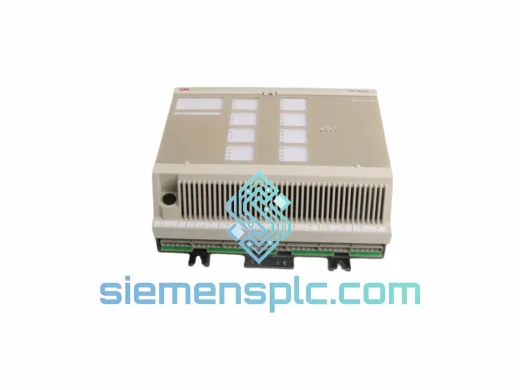
ABB DSAX452 Analog I/O Module – Advant Controller 450 Series
Advant
Origin SE
Analog I/O Module
ABB
RFQ Ready
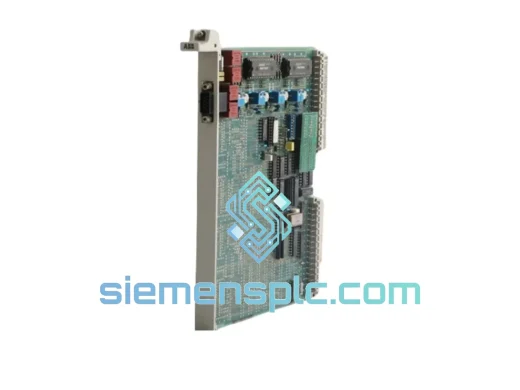
ABB GJR5143200R0001 35EK91 Analog Output Module – AC31 Advant Series
Advant
Origin SE
Analog Output Module
ABB
RFQ Ready
ABB 07DI92 GJR5252400R4101 Digital Input Module
Advant
Origin SE
PLC Digital Input Module