ABB
In Stock OK
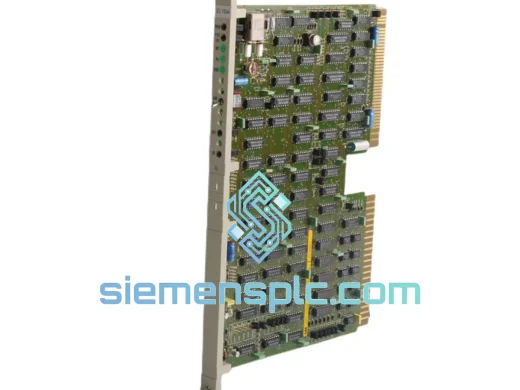
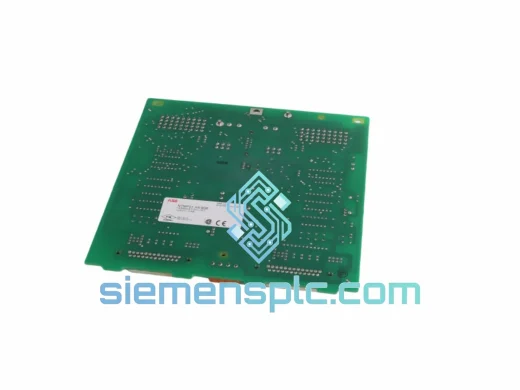
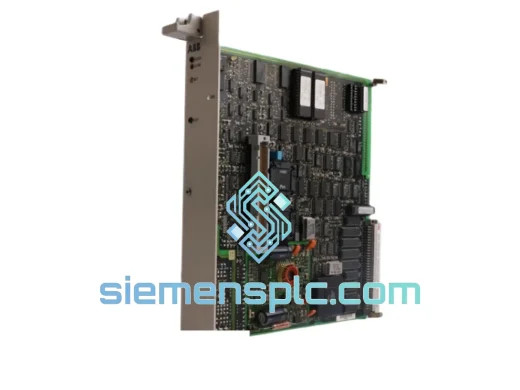
ABB DCP02 P37211-4-0369654 DCS CPU Module
Request verified availability, condition, replacement risk review, packing options and courier lead time for P37211-4-0369654.
BrandABB
Part NumberP37211-4-0369654
ConditionAvailability Check
Lead TimeRFQ Confirmation
DocumentsDatasheet / photos by RFQ
ShippingExport packing available
Auto-filled RFQ
P37211-4-0369654
Click Request Quote and the part number is inserted into the inquiry form automatically.
- Reply by email: [email protected]
- WhatsApp / Tel: +86 18359268345
- Mon-Sat 9:00-18:00 GMT+8
Procurement Data
Key Product Information
Core fields for model confirmation and RFQ routing. Detailed product narrative remains below.
- Brand
- ABB
- Primary Part Number
- P37211-4-0369654
- Product Type
- DCS CPU Module
- Series / Family
- Advant
- Manufacturer
- ABB
- Country of Origin
- SE
- Catalog Category
- DCS & Safety Modules
- Operating Temp.
- 0 °C to +55 °C
Model confirmed for inquiry
P37211-4-0369654
Send quantity, destination and urgency. The RFQ form keeps this part number attached.
Request Quote
Product Overview
ABB DCP02 P37211-4-0369654 DCS CPU Module — Stop the Clock on Your Downtime
Every minute your process line sits idle, you’re bleeding money. A failed DCP02 CPU module in an ABB Advant or MOD 300 DCS rack doesn’t just halt production — it cascades into missed delivery windows, emergency labor costs, and contractual penalties. We stock the ABB DCP02 P37211-4-0369654 precisely for this scenario. Order confirmed before cut-off, and your module ships same day from Xiamen via DHL Express or FedEx International Priority. No waiting on OEM lead times. No compromise on authenticity.
URGENT REQUIREMENT? Contact: [email protected] | WhatsApp: +86 18359268345
Quick Technical Datasheet
| Parameter | Specification |
|---|---|
| Manufacturer | ABB |
| Part Number | DCP02 / P37211-4-0369654 |
| Module Function | Central Processing Unit (CPU) — DCS Controller |
| Platform | ABB Advant / MOD 300 DCS Series |
| Processor Type | Dedicated real-time control processor |
| Communication Bus | MasterBus 300 / INSUM network |
| Redundancy | Hot-standby CPU pairing supported |
| Operating Temperature | 0 °C to +55 °C |
| Storage Temperature | −40 °C to +70 °C |
| Power Input | Via DCS backplane (5 VDC / 24 VDC) |
| Form Factor | Standard DCS rack-mount card |
| Weight | ~1,900 g |
| Origin | Germany (OEM) |
| Stock Status | ✅ Ready to Ship — Xiamen Warehouse |
Troubleshooting & Replacement Tips
Swapping a DCP02 is not a plug-and-play operation if you skip the pre-checks. Here’s what field experience actually looks like:
1. Confirm the fault before pulling the card. A DCP02 failure typically surfaces as a solid red FAULT LED on the module face, loss of MasterBus 300 communication, or a CPU FAIL alarm in the operator station. Before condemning the CPU, verify backplane power rails (5 VDC ±5%, 24 VDC ±10%) with a calibrated meter. A sagging power supply has killed more than a few good CPUs.
2. Record the hardware revision and firmware label. The DCP02 has gone through multiple hardware revisions. The revision code is silk-screened on the PCB near the edge connector. Your replacement must match or exceed this revision — a lower-rev board may not support all I/O module types in your rack. Photograph the label before extraction.
3. Address switch settings. The DCP02 uses onboard DIP switches to configure node address on the MasterBus 300. In a redundant pair, the primary CPU is typically set to node address 1 and the standby to node address 2. Mismatch here causes immediate bus conflict and a non-starting system. Cross-reference your as-built documentation before powering up the replacement.
4. Firmware compatibility check. If your system runs ABB Advant Builder or MOD 300 engineering tools, confirm the firmware version loaded on the replacement DCP02 is compatible with your application database revision. Mismatched firmware can cause the CPU to reject the downloaded configuration or produce erratic scan behavior. Request the firmware label from us at time of order if you have a specific revision requirement.
5. Hot-swap procedure. In a redundant configuration, force a manual switchover to the standby CPU before removing the primary. Confirm the standby is running in CONTROL mode, then extract the faulty primary. Insert the replacement, allow it to synchronize (watch the SYNC LED), and verify bumpless transfer before returning to automatic redundancy management.
Common fault codes to cross-reference:
- CPU FAIL / PROC FAIL — Internal processor watchdog timeout; replace CPU.
- BUS COMM ERR — MasterBus 300 communication lost; check node address switches and cable integrity before condemning CPU.
- MEM CHECKSUM ERR — Application database corruption; reload configuration after CPU replacement.
- SYNC FAIL — Redundancy synchronization failure; verify both CPUs are on identical firmware revisions.
Reliability in Harsh Conditions
The DCP02 was engineered for the environments where failure is not an option. ABB designed this module to IEC 61131-2 hardware standards, which means it has been validated against the full spectrum of industrial stress factors:
Vibration resistance: The DCP02 PCB assembly uses conformal coating and through-hole component anchoring on critical ICs, providing resistance to the continuous low-frequency vibration common in turbine halls, compressor stations, and heavy mill environments. Sinusoidal vibration testing per IEC 60068-2-6 is part of the OEM qualification profile.
Thermal cycling: With a rated operating range of 0 °C to +55 °C and storage down to −40 °C, the DCP02 handles the thermal shock of outdoor substation enclosures and the sustained heat of enclosed control rooms without derating. Electrolytic capacitors are rated for extended life at elevated temperatures — a common failure point on cheaper alternatives.
Humidity and condensation: The conformal coating applied to the DCP02 PCB provides protection against humidity up to 95% RH non-condensing, making it suitable for coastal chemical plants, paper mills, and water treatment facilities where moisture ingress is a persistent threat.
EMC immunity: Designed to meet IEC 61000-4 series immunity requirements, the DCP02 maintains stable operation in environments with high-voltage switching transients, variable-frequency drive interference, and RF emissions from nearby radio equipment.
Every unit we ship has been inspected for physical integrity — PCB, edge connector gold fingers, and housing — and powered on for functional self-diagnostic verification before dispatch. We do not ship untested modules.
Global Express Logistics
Our Xiamen warehouse is positioned for fast international dispatch. Here’s exactly how your order moves:
Day 0 — Order confirmation: Payment confirmed and export documentation initiated. HS Code 8537.10 classification applied. Commercial invoice and packing list prepared to destination country customs requirements.
Day 0 (same day, pre-cut-off orders): Module packed in ESD-safe anti-static bag, foam-cushioned inner box, and double-wall outer carton. DHL Express or FedEx International Priority label generated. Tracking number issued to customer within 2 hours of pickup.
Day 1–3 — In transit: DHL Express from Xiamen (XMN) typically reaches Europe in 2–3 business days, North America in 3–4 business days, Southeast Asia in 1–2 business days, and Middle East in 2–3 business days. FedEx International Priority offers comparable transit times with alternative routing.
Customs clearance: We provide a complete customs package — commercial invoice, packing list, certificate of origin, and HS code documentation — to minimize clearance delays at destination. For DDP (Delivered Duty Paid) shipments, contact us to arrange pre-paid import duties.
Expedited options: For genuine plant emergencies, contact us via WhatsApp for same-day charter courier arrangements to any major industrial hub globally.
Contact Information
Email: [email protected]
WhatsApp: +86 18359268345
Web: siemensplc.com
© 2026. All rights reserved.
Ready to quote
[email protected]
Send This Part Number to Sales
RFQ workflow
Quality workflow ->
Confirmation Process
01Model confirmation
We check the full part number, brand, series and visible nameplate information before quotation.
02Availability reply
Sales confirms stock path, condition option, quantity and realistic lead time for export dispatch.
03Packing & courier
DHL, FedEx, UPS or buyer courier arrangements can be reviewed with packing requirements.
Continue sourcing
Browse full catalog ->
Related Automation Parts
Similar brand or category products for fast comparison and multi-item RFQ lists.
ABB
RFQ Ready
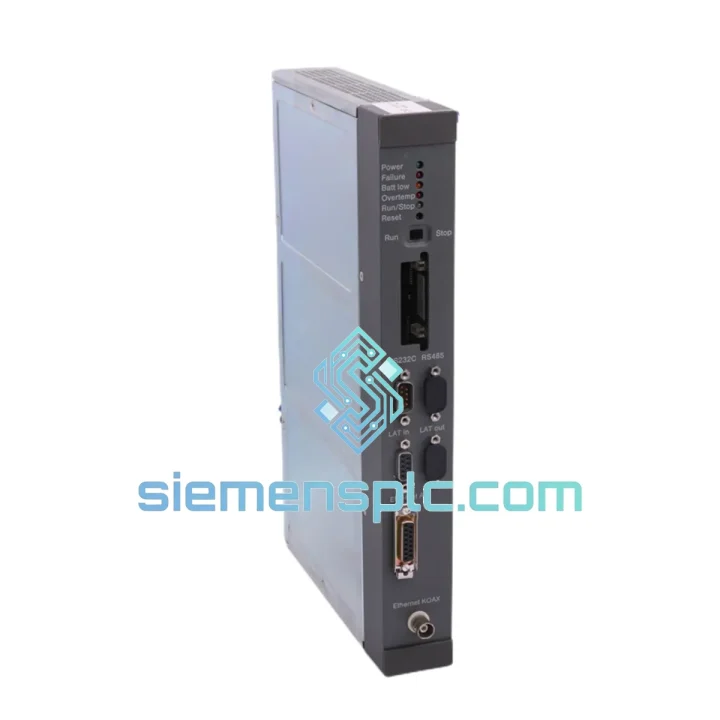
ABB HESG448230R1/G 216EA61b DCS Processor Module
Advant
Origin SE
PLC / DCS Processor Module