ABB
In Stock OK
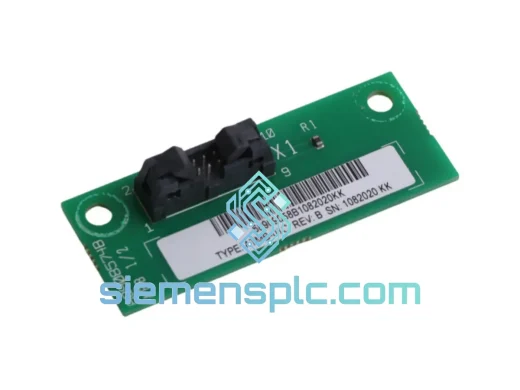
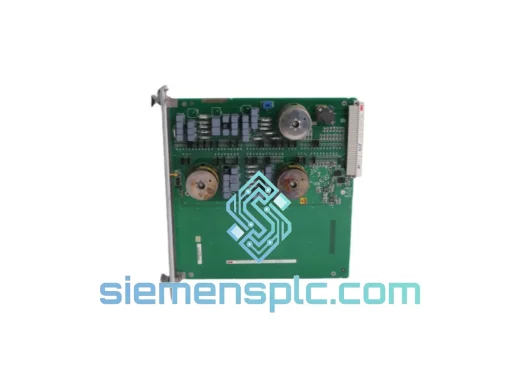
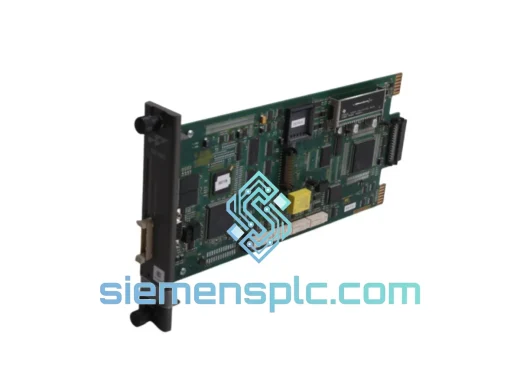
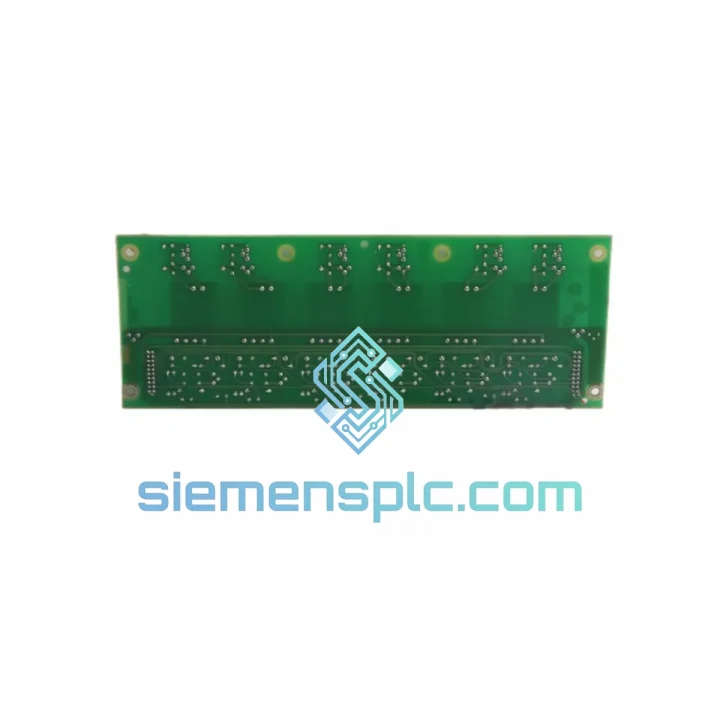
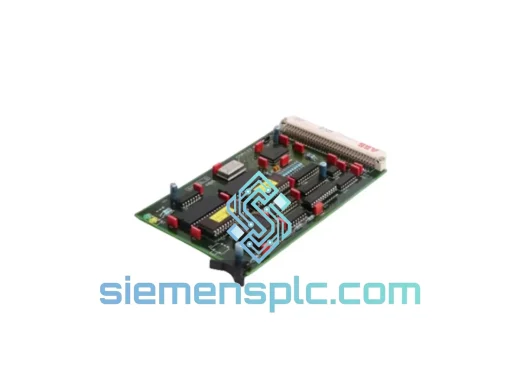
ABB ZINT-7B1C Interface Board
Request verified availability, condition, replacement risk review, packing options and courier lead time for ZINT-7B1C.
BrandABB
Part NumberZINT-7B1C
ConditionAvailability Check
Lead TimeRFQ Confirmation
DocumentsDatasheet / photos by RFQ
ShippingExport packing available
Auto-filled RFQ
ZINT-7B1C
Click Request Quote and the part number is inserted into the inquiry form automatically.
- Reply by email: [email protected]
- WhatsApp / Tel: +86 18359268345
- Mon-Sat 9:00-18:00 GMT+8
Procurement Data
Key Product Information
Core fields for model confirmation and RFQ routing. Detailed product narrative remains below.
- Brand
- ABB
- Primary Part Number
- ZINT-7B1C
- Product Type
- PLC Interface Board
- Series / Family
- AC500
- Manufacturer
- ABB
- Country of Origin
- SE
- Catalog Category
- PLCs & Controllers
- Operating Temp.
- -25°C to +70°C
- Humidity
- 5–95% RH, non-condensing
- Compliance
- CE, UL, IEC 61131-2
Model confirmed for inquiry
ZINT-7B1C
Send quantity, destination and urgency. The RFQ form keeps this part number attached.
Request Quote
Product Overview
ABB ZINT-7B1C Interface Board: Stop the Clock on Your Downtime — Ship Today from Xiamen
Your AC500 rack is dead. The line is stopped. Every hour costs you money — maintenance contracts, idle labor, missed delivery penalties. The ZINT-7B1C is the exact interface board that bridges your AC500 CPU to its I/O expansion bus, and when it fails, nothing downstream works. We stock it. We ship it today. DHL Express from Xiamen to your plant floor, anywhere on the planet.
URGENT REQUIREMENT? Contact: [email protected] | WhatsApp: +86 18359268345
Quick Technical Datasheet
| Part Number | ZINT-7B1C ✅ Ready to Ship |
| Manufacturer | ABB |
| Product Series | AC500 PLC Platform |
| Module Function | Internal Interface / Backplane Communication Board |
| Form Factor | PCB plug-in board, DIN-rail enclosure compatible |
| Weight | 268 g |
| Operating Temperature | -25°C to +70°C |
| Storage Temperature | -40°C to +85°C |
| Humidity | 5–95% RH, non-condensing |
| Protection Rating | IP20 |
| Compliance | CE, UL, IEC 61131-2 |
| Origin | China (Xiamen stocking hub) |
| Condition | New OEM / Tested Surplus — specify at inquiry |
| Stock Status | ✅ In Stock — Ships within 24 hours |
Troubleshooting & Replacement Tips
After ten years of field work on AC500 systems, these are the failure patterns that send engineers searching for a ZINT-7B1C at 2 AM:
Symptom 1 — CPU online, all I/O modules show “BUS FAULT” or go offline simultaneously. This is the classic ZINT-7B1C failure signature. The CPU is alive but cannot communicate with the expansion rack because the interface board has lost its backplane arbitration function. Check the CPU diagnostic buffer first: error codes 0x8090 or 0x8091 in the AC500 system log point directly at the internal bus interface layer. If you see those codes and the CPU itself is healthy, the ZINT-7B1C is your culprit.
Symptom 2 — Intermittent I/O dropouts under thermal load. The ZINT-7B1C contains onboard oscillator circuitry that degrades with heat cycling over years of operation. If your dropouts correlate with ambient temperature peaks (summer shutdowns, poor cabinet ventilation), the board is thermally stressed. A cold-spray test on the board during a dropout event will confirm this — if the system recovers momentarily, replace the board before it fails completely.
Symptom 3 — Module replacement does not restore communication. Before assuming the new board is faulty, check the following in sequence:
- Verify hardware revision code on the board label matches the original. AC500 generations (PM571, PM581, PM591, PM595) have specific ZINT variants — cross-referencing the CPU part number against ABB’s compatibility matrix is mandatory.
- Confirm the backplane connector pins are clean and undamaged. Bent pins on the CPU slot are a common installation casualty.
- After seating the new board, perform a cold restart of the CPU (power cycle, not warm reset). The AC500 re-enumerates the internal bus on power-up; a warm reset may not re-initialize the interface layer correctly.
- Check firmware: if the CPU firmware was updated after the original board was installed, a firmware mismatch between the CPU and the interface board’s embedded microcontroller can cause persistent bus faults. Use ABB Automation Builder to verify and update if needed.
DIP switch / addressing note: The ZINT-7B1C does not carry user-configurable DIP switches for station addressing — addressing is handled at the CPU level via Automation Builder configuration. However, if you are replacing a board in a multi-rack system, confirm the rack address assignment in your project configuration matches the physical rack position before going live.
ESD protocol: This board contains CMOS logic susceptible to electrostatic discharge. Always use a grounded wrist strap and ESD mat during handling. Do not touch the backplane connector edge or onboard ICs directly.
Reliability in Harsh Conditions
The AC500 platform was designed for environments that would destroy consumer-grade electronics, and the ZINT-7B1C is built to the same standard. The board’s PCB substrate uses FR4 material with conformal coating options for humidity resistance — critical in coastal plants, paper mills, and food processing facilities where condensation is a daily reality. Onboard components are selected for extended temperature cycling, rated to withstand the thermal shock of repeated cold starts in outdoor enclosures during winter shutdowns.
Vibration resistance meets IEC 60068-2-6 test profiles, making the ZINT-7B1C suitable for installation in compressor rooms, pump stations, and mobile equipment where mechanical shock is continuous. EMI immunity is validated to IEC 61000-4 series standards — the board will not drop communication in the presence of variable frequency drives, arc welders, or high-current switching equipment operating in the same cabinet or adjacent panels.
In our pre-shipment testing protocol, every board undergoes a 4-hour burn-in cycle at elevated temperature before packaging. Boards that show any instability during burn-in are quarantined. What ships to you has already survived the conditions your plant will throw at it.
Global Express Logistics
Our stocking hub is located in Xiamen, Fujian — one of China’s primary export ports with direct DHL Express and FedEx International Priority service to over 220 countries. Here is exactly what happens after you confirm your order:
- Hour 0–2: Order confirmed, stock allocated, export documentation prepared (commercial invoice, packing list, HS code 8537.10 classification).
- Hour 2–6: Unit inspected, photographed, packed in anti-static ESD bag with moisture barrier desiccant, placed in double-wall carton with foam cushioning.
- Hour 6–24: Handed to DHL Express or FedEx courier with tracking number issued to you by email.
- Day 1–3: Delivery to most of Europe, North America, Southeast Asia, and the Middle East via DHL Express Worldwide or FedEx International Priority.
- Day 3–5: Delivery to South America, Africa, and remote regions via available express routing.
For customers with existing DHL or FedEx accounts, we can ship on your account number to consolidate freight billing. For urgent plant shutdowns, contact us directly on WhatsApp for same-day cutoff confirmation — orders placed before 14:00 CST typically make the same-day DHL pickup.
Import duties and customs clearance are the buyer’s responsibility. We provide accurate commercial invoices and HS codes to facilitate smooth customs processing. For customers in the EU, we can provide EUR.1 movement certificates where applicable for preferential tariff treatment.
Contact Information
📧 Email: [email protected]
💬 WhatsApp: +86 18359268345
🌐 Web: siemensplc.com
© 2026 siemensplc.com. All rights reserved.
Ready to quote
[email protected]
Send This Part Number to Sales
RFQ workflow
Quality workflow ->
Confirmation Process
01Model confirmation
We check the full part number, brand, series and visible nameplate information before quotation.
02Availability reply
Sales confirms stock path, condition option, quantity and realistic lead time for export dispatch.
03Packing & courier
DHL, FedEx, UPS or buyer courier arrangements can be reviewed with packing requirements.
Continue sourcing
Browse full catalog ->
Related Automation Parts
Similar brand or category products for fast comparison and multi-item RFQ lists.
ABB
RFQ Ready
ABB 1SVR427075R0000 CP-A CM PLC CPU Module – AC500 Compact Series
AC500
Origin SE
PLC CPU Module