Allen-Bradley
RFQ Ready
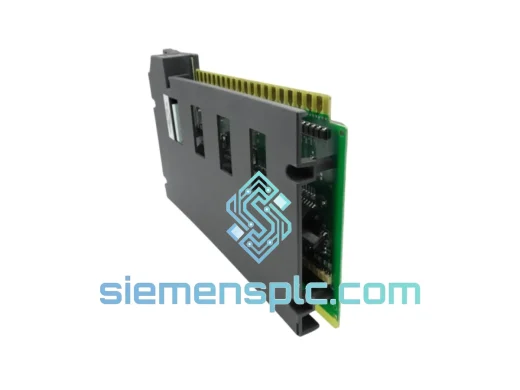
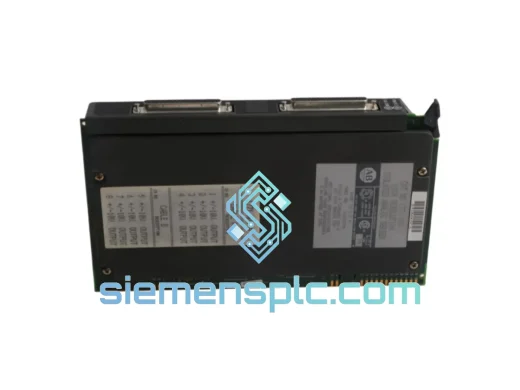
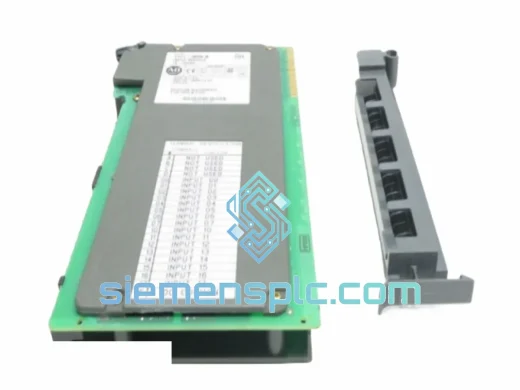
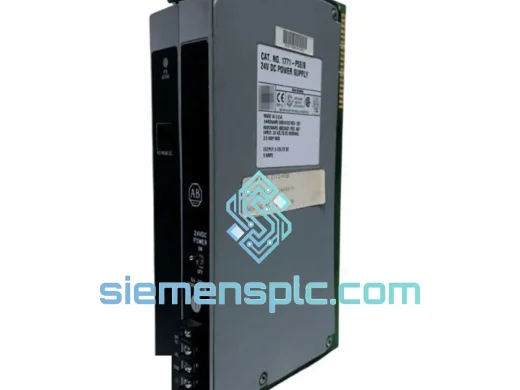
Allen-Bradley 1771-P5E Power Supply Interface Module – PLC-5
PLC-5
Origin US
Power Supply Interface Module
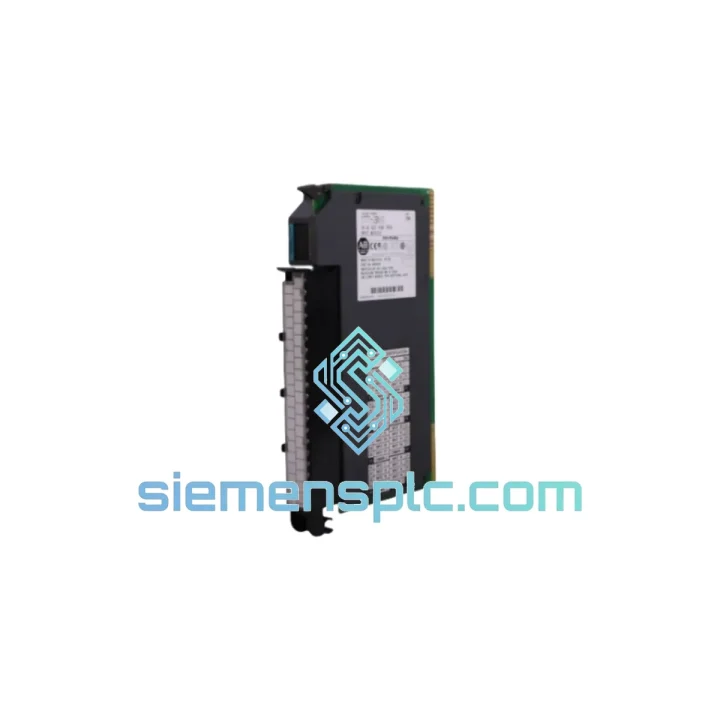
Request verified availability, condition, replacement risk review, packing options and courier lead time for 1771-IBN/C.
Click Request Quote and the part number is inserted into the inquiry form automatically.
Core fields for model confirmation and RFQ routing. Detailed product narrative remains below.
Your PLC-5 rack just lost a discrete input module. The line is stopped. Maintenance is on the phone. You need a 1771-IBN/C in your hands — not in three weeks. This is exactly the scenario we exist for. We stock Allen-Bradley 1771-IBN/C units in Xiamen, fully tested, ready for same-day dispatch via DHL Express or FedEx International Priority. No waiting on distributor lead times. No back-order surprises.
The 1771-IBN/C is a 16-point, 24VDC DC discrete input module for the Allen-Bradley PLC-5 platform. It sits in the 1771 I/O chassis and bridges your field-level sensors, limit switches, and pushbuttons directly to the PLC-5 processor’s input image table. When this card fails, your entire I/O rack goes blind on those 16 points — and production stops. We’ve shipped this exact part to automotive plants in Germany, food processing facilities in Southeast Asia, and water treatment stations in the Middle East. The urgency is always the same. So is our response.
📧 URGENT REQUIREMENT? Contact: [email protected] | WhatsApp: +86 18359268345
| Parameter | Specification |
|---|---|
| Catalog Number | 1771-IBN/C |
| Module Type | DC Discrete Input |
| Input Points | 16 |
| Input Voltage | 24VDC |
| ON-State Voltage Range | 14 – 30 VDC |
| OFF-State Voltage Range | 0 – 5 VDC |
| Input Current (per point) | 8 mA nominal |
| Input Filter Delay | 1 ms hardware filter |
| Isolation | Optical (field ↔ backplane) |
| Backplane Current Draw | 800 mA @ 5VDC |
| Operating Temperature | 0°C to 60°C |
| Relative Humidity | 5 – 95% non-condensing |
| Chassis Compatibility | All 1771 I/O chassis (1771-A1B through A4B) |
| Wiring Arm | 1771-WN (required, sold separately) |
| Series Revision | C (enhanced noise immunity) |
| Form Factor | Single-slot, 1771 I/O chassis |
| Stock Status | ✔ READY TO SHIP — Xiamen Warehouse |
Ten years of field calls on PLC-5 systems teach you the same lessons over and over. Here’s what actually matters when you’re swapping a 1771-IBN/C under pressure:
1. Confirm the fault before you pull the card. A solid red fault LED on the module is your clearest indicator of hardware failure. But before condemning the module, check the 1771 chassis power supply output — a sagging 5VDC rail (below 4.75V) will cause false module faults and intermittent input dropouts that look exactly like a failed card. Measure at the chassis backplane connector, not at the PSU output terminals.
2. No address switches to set — but slot position matters. The 1771-IBN/C uses automatic slot addressing via the 1771 backplane. There are no physical DIP switches or rotary address selectors on this module. However, the slot position in the chassis directly determines the I/O image table address in your PLC-5 program. If you’re moving the replacement card to a different slot than the failed unit, you must update the I/O configuration in RSLogix 5 or PLC-5 programming software — otherwise the processor will fault on an I/O configuration mismatch.
3. Series C vs. earlier revisions — drop-in compatible. The /C revision is fully backward-compatible with /A and /B installations. No program changes, no I/O configuration edits required when replacing an earlier series with /C. The /C series tightened the ON-state threshold hysteresis, which actually reduces nuisance trips in noisy environments — a net improvement.
4. Wiring arm — do not skip this step. The 1771-WN wiring arm must be seated and latched before the module is inserted. Field wiring connects to the wiring arm, not directly to the module. If the previous wiring arm is damaged or corroded at the terminal screws, replace it. A marginal connection on the wiring arm is a common source of intermittent input faults that get misdiagnosed as module failure.
5. Common fault codes to know:
6. Post-replacement verification checklist:
The 1771-IBN/C was engineered for the industrial floor — not a climate-controlled server room. The /C series revision specifically addressed real-world failure modes identified from field returns of earlier revisions.
Vibration resistance: The module’s single-slot form factor and backplane edge connector are designed to maintain electrical continuity under continuous vibration loads typical of press lines, compressor rooms, and mobile equipment installations. The optical isolators used for input signal conditioning have no moving parts and are inherently immune to vibration-induced contact bounce — a critical advantage over relay-based input interfaces in high-vibration environments.
Thermal performance: Rated for continuous operation from 0°C to 60°C ambient. In practice, PLC-5 cabinets in foundries, steel mills, and outdoor enclosures routinely see internal temperatures at the upper end of this range. The /C revision’s improved component selection extended the mean time between failures (MTBF) at elevated temperatures compared to /A and /B units. Ensure your cabinet cooling is functional — a failed cabinet fan is the single most common environmental cause of premature module failure we see in the field.
Humidity and contamination: The optical isolation barrier between field wiring and the backplane provides a critical layer of protection against ground loops and common-mode noise induced by humid or contaminated field wiring. In coastal, chemical processing, or food-wash-down environments, inspect the wiring arm terminals annually for corrosion. The module PCB itself is conformally coated on /C series units, providing additional protection against condensation and airborne contaminants.
Electrical noise immunity: The /C revision tightened the input threshold hysteresis and improved the transient suppression on the input circuitry. In environments with large motor starters, VFDs, or welding equipment sharing the same cabinet or conduit runs, this matters. If you’re still seeing nuisance input trips after replacing the module, the next step is to audit your field wiring routing — 24VDC signal cables running parallel to 480VAC power cables in the same conduit is a guaranteed source of induced noise.
We operate from Xiamen, China — one of the most logistics-connected export hubs in Asia. When you place an order before 14:00 CST on a business day, your 1771-IBN/C ships the same day.
How it works:
We have shipped to Germany, the United States, Australia, Saudi Arabia, India, Brazil, South Korea, and over 40 other countries. Export compliance is handled on every order. If your destination requires specific documentation (end-user certificates, import permits), advise us at the time of order and we will accommodate.
📧 Email: [email protected]
📱 WhatsApp: +86 18359268345
🌐 Web: siemensplc.com
© 2026 siemensplc.com. All rights reserved.
We check the full part number, brand, series and visible nameplate information before quotation.
Sales confirms stock path, condition option, quantity and realistic lead time for export dispatch.
DHL, FedEx, UPS or buyer courier arrangements can be reviewed with packing requirements.
Similar brand or category products for fast comparison and multi-item RFQ lists.