Bently Nevada
RFQ Ready
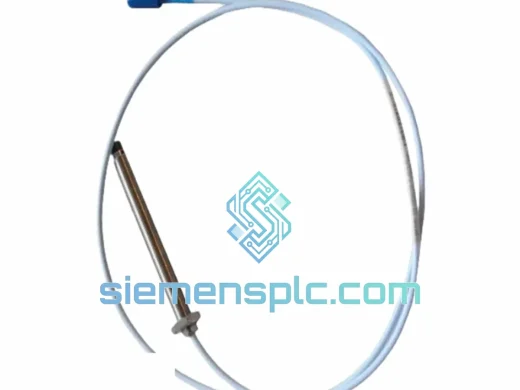
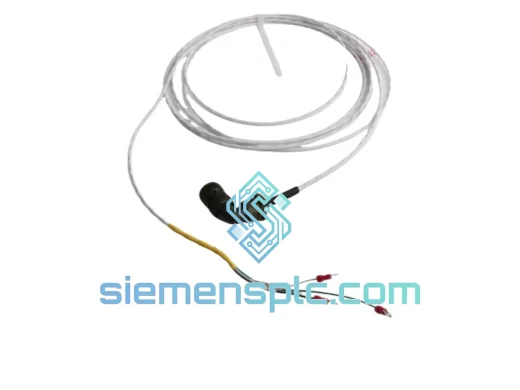
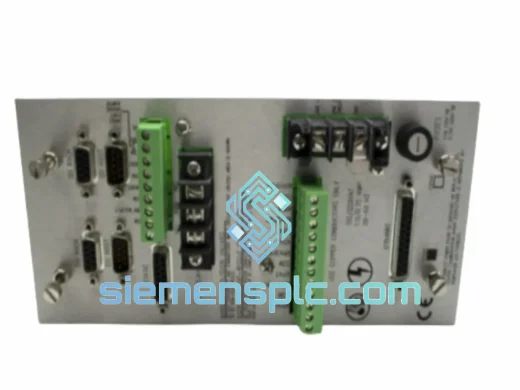
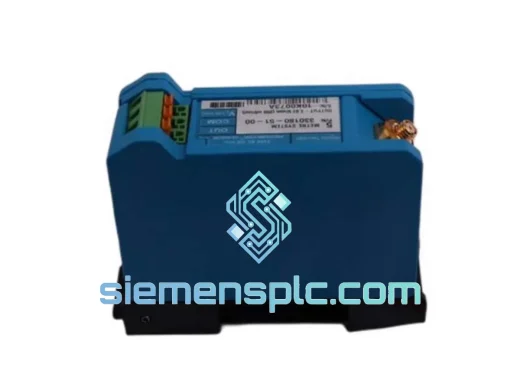
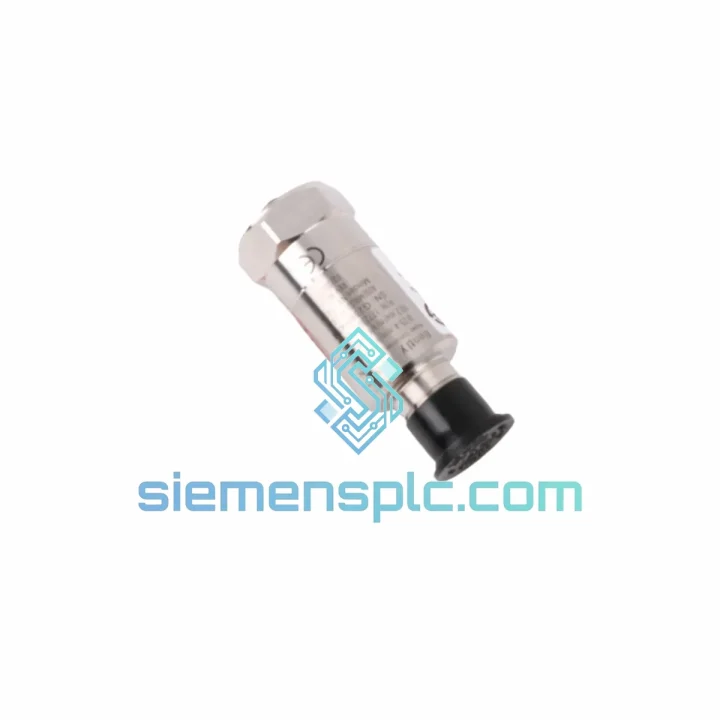
Bently Nevada 991-25-50-01-00 Thrust Transmitter – 3500 Series
3500 Series
Origin US
Thrust Transmitter
Request verified availability, condition, replacement risk review, packing options and courier lead time for 177230-01-01-05.
Click Request Quote and the part number is inserted into the inquiry form automatically.
Core fields for model confirmation and RFQ routing. Detailed product narrative remains below.
Every hour a turbine, compressor, or pump sits idle because of a failed seismic transmitter costs real money — production losses, penalty clauses, emergency labor. The Bently Nevada 177230-01-01-05 is in stock at our Xiamen warehouse. We don’t quote lead times in weeks. We quote in hours. Place your order before 18:00 CST and it moves tonight.
URGENT REQUIREMENT? Contact: [email protected] | WhatsApp: +86 18359268345
| Parameter | Specification | Status |
|---|---|---|
| Part Number | 177230-01-01-05 | ✔ Ready to Ship |
| Manufacturer | Bently Nevada (Baker Hughes) | OEM Original |
| Sensor Type | Seismic Velocity Transmitter | — |
| Output Signal | 4–20 mA, 2-wire loop-powered | — |
| Measurement Range | 0–50 mm/s RMS | — |
| Frequency Response | 10 Hz – 1,000 Hz (±3 dB) | — |
| Supply Voltage | 18–30 VDC | — |
| Operating Temperature | −40°C to +85°C | — |
| Enclosure Rating | IP65 / NEMA 4 | — |
| Connector Type | 2-pin MIL-C-5015 style (suffix -05) | — |
| Weight | ~130 g | — |
| Certifications | CE, ATEX (zone-specific — verify datasheet) | — |
| Compatible Rack | Bently Nevada 3500 Series, 1900/65A | — |
| Shipping Origin | Xiamen, China | ✔ Ready to Ship |
Pulled from real field experience. These are the failure modes and swap pitfalls that actually bite engineers on-site.
Top Failure Signatures for the 177230 Series:
Replacement Procedure — Field Checklist:
The 177230-01-01-05 was not designed for a climate-controlled instrument room. It was designed for the bearing housing of a 40 MW steam turbine running at 3,000 RPM in a coastal petrochemical plant. The engineering reflects that reality.
The stainless steel housing with IP65 sealing keeps moisture and particulate contamination out of the electronics — critical in environments where steam leaks, wash-down cycles, and coastal humidity are daily facts of life. The MIL-spec connector on the -05 suffix variant provides a positive locking mechanism that resists vibration-induced loosening, a failure mode that plagues standard M12 connectors in high-vibration installations.
Internally, the geophone element is potted in a vibration-damping compound that protects the coil assembly from the very phenomenon it measures. The operating temperature range of −40°C to +85°C covers everything from outdoor installations in northern climates to hot-end turbine bearing pedestals where ambient temperatures routinely exceed 60°C.
The electronics are designed to maintain output accuracy across the full supply voltage range (18–30 VDC), meaning voltage sag on long cable runs — a real problem in large plants where transmitters may be 500+ meters from the control room — does not corrupt the measurement. EMI immunity is built to industrial standards, providing stable output in environments with large motor drives, welding equipment, and high-voltage switchgear nearby.
This is a transmitter that has been proven in oil & gas, power generation, pulp & paper, and mining applications globally. When you install a 177230-01-01-05, you are not running an experiment — you are installing a known quantity with a documented field history.
Our warehouse is in Xiamen, Fujian — one of China’s primary export hubs with direct access to international freight lanes via Xiamen Gaoqi International Airport and Xiamen Port. This is not a drop-shipping operation. Stock is physically on our shelves, inspected, and ready to pack.
Standard Express Routing (DHL / FedEx Priority):
All shipments include real-time tracking from the moment the label is generated. For critical plant shutdowns, we offer same-day dispatch on orders confirmed before 18:00 CST with DHL Express Time Definite service. Commercial invoice, packing list, and certificate of origin are prepared to your specifications to clear customs without delay. We have shipped to refineries, power stations, and offshore platforms across 60+ countries — customs documentation is not an afterthought here, it is part of the process.
For orders requiring air freight consolidation, dangerous goods handling, or project-specific documentation packages (material test reports, country-of-origin certificates, third-party inspection), contact us directly before placing the order so we can configure the shipment correctly from the start.
Email: [email protected]
WhatsApp: +86 18359268345
Web: siemensplc.com
© 2026 siemensplc.com. All rights reserved.
We check the full part number, brand, series and visible nameplate information before quotation.
Sales confirms stock path, condition option, quantity and realistic lead time for export dispatch.
DHL, FedEx, UPS or buyer courier arrangements can be reviewed with packing requirements.
Similar brand or category products for fast comparison and multi-item RFQ lists.