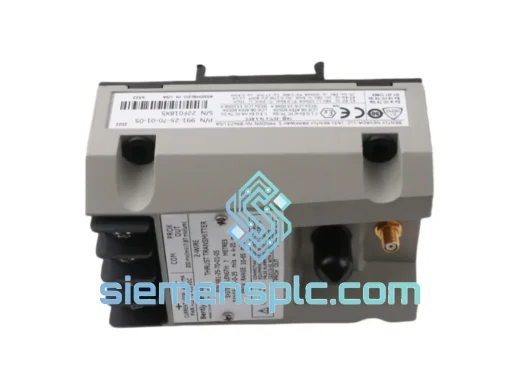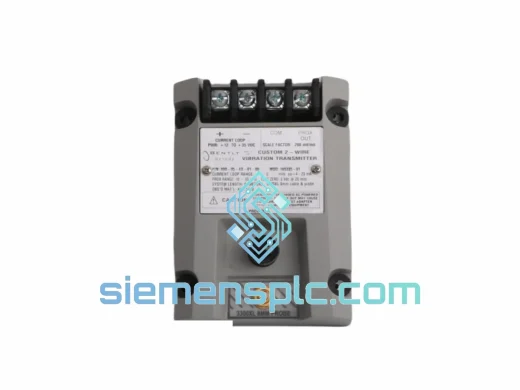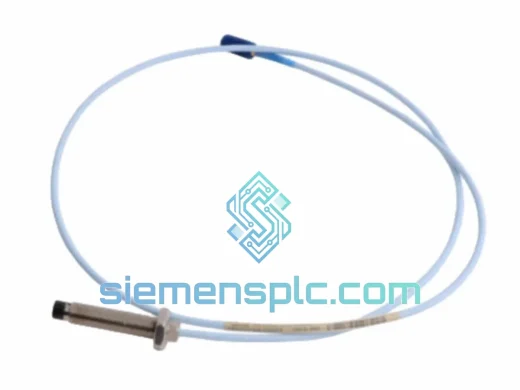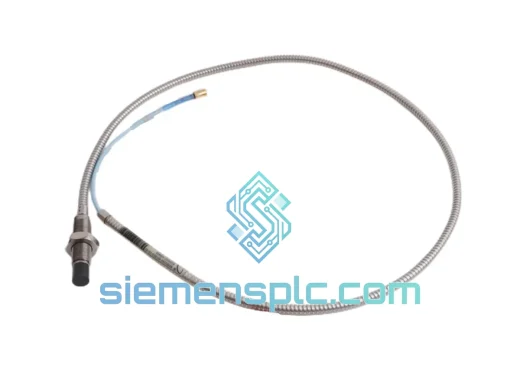
Bently Nevada
RFQ Ready
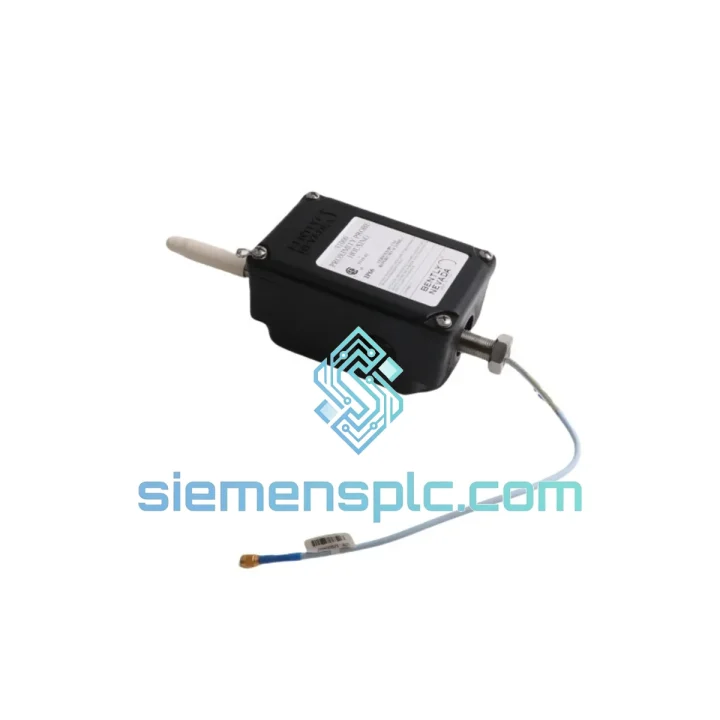
Bently Nevada RS901104-03-050-10-01 Proximitor Sensor – 3300 XL Series
3300 XL
Origin US
Proximitor Sensor
Request verified availability, condition, replacement risk review, packing options and courier lead time for 31000-30-05-40-014-03-02.
Click Request Quote and the part number is inserted into the inquiry form automatically.
Core fields for model confirmation and RFQ routing. Detailed product narrative remains below.
Every hour a critical rotating machine sits idle costs real money. On a gas turbine train or a centrifugal compressor, a failed proximity probe housing doesn’t just corrupt your vibration data — it trips your machinery protection system and forces an unplanned shutdown. The Bently Nevada 31000-30-05-40-014-03-02 Proximity Probe Housing Assembly is stocked and ready to ship from Xiamen today. No lead-time negotiation, no factory back-order queue. You call, we ship.
This housing assembly is a precision-machined, factory-engineered component of the Bently Nevada 3300 XL Proximity Transducer System — the de facto standard for non-contact eddy-current vibration measurement on API 670-protected rotating equipment. It maintains the exact probe-to-target gap geometry that the 3300 XL signal chain depends on. Deviate from that geometry and your Proximitor output drifts; your protection system either nuisance-trips or, worse, fails to trip when it should. This part eliminates that variable.
URGENT REQUIREMENT? Contact: [email protected] | WhatsApp: +86 18359268345
| Parameter | Value |
|---|---|
| Part Number | 31000-30-05-40-014-03-02 |
| Brand | Bently Nevada (Baker Hughes) |
| Series | 3300 XL Proximity Transducer System |
| Product Type | Proximity Probe Housing Assembly |
| Material | Stainless steel, corrosion-resistant |
| Compliance | API 670 machinery protection compatible |
| Weight | Approx. 1,200 g |
| Origin | United States |
| Condition | New / Surplus (specify on inquiry) |
| Stock Status | ✔ Ready to Ship — Xiamen Warehouse |
| Lead Time | Same-day dispatch available |
After ten years of field work on turbomachinery, here’s what actually goes wrong with proximity probe housings and what to watch when you swap one out:
Common failure modes on the 31000-30-05-40-014-03-02:
The 31000-30-05-40-014-03-02 is not a general-purpose fitting. It was designed from the ground up for the environments where rotating machinery actually lives — and those environments are hostile.
Stainless steel construction gives it inherent resistance to the process fluid mists, lube oil vapors, and wash-down chemicals that are routine in compressor halls and turbine enclosures. The machined thread form maintains dimensional integrity across the thermal cycling that comes with start-stop operation — the kind of cycling that causes cheaper housings to develop micro-movement and probe gap creep over time.
Vibration is the other killer. A housing that isn’t machined to tight tolerances will develop fretting at the probe thread interface under continuous broadband vibration. The 31000-30-05-40-014-03-02 holds its geometry because Bently Nevada engineered it to hold its geometry — not because it happens to be close enough. That matters when your protection system is making trip decisions based on 1 µm of shaft displacement.
Temperature range covers the full span of industrial rotating equipment applications, from sub-zero outdoor installations on LNG trains to the high-ambient enclosures around gas turbine exhaust sections. The housing does not introduce thermal expansion errors that would shift your probe gap at operating temperature.
Our Xiamen warehouse operates on a same-day dispatch model for in-stock items. Here’s how the shipment moves from our shelf to your site:
We have shipped Bently Nevada components to refineries in the Middle East, power plants in Southeast Asia, and offshore platforms in the North Sea. The logistics process is the same every time because it has to be — your maintenance window doesn’t flex for shipping surprises.
Email: [email protected]
WhatsApp: +86 18359268345
Web: siemensplc.com
© 2026 siemensplc.com. All rights reserved.
We check the full part number, brand, series and visible nameplate information before quotation.
Sales confirms stock path, condition option, quantity and realistic lead time for export dispatch.
DHL, FedEx, UPS or buyer courier arrangements can be reviewed with packing requirements.
Similar brand or category products for fast comparison and multi-item RFQ lists.