Emerson
RFQ Ready
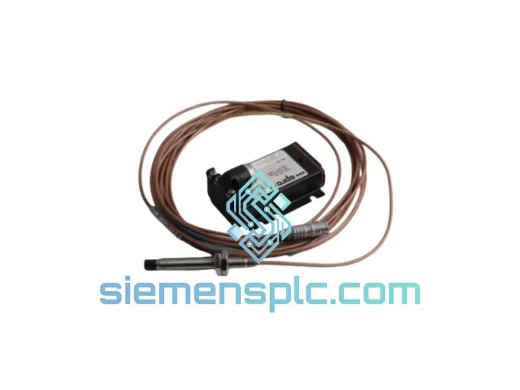
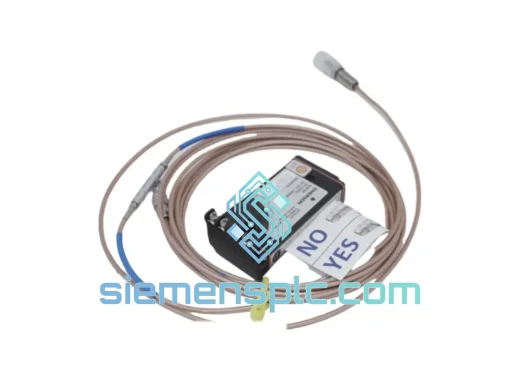
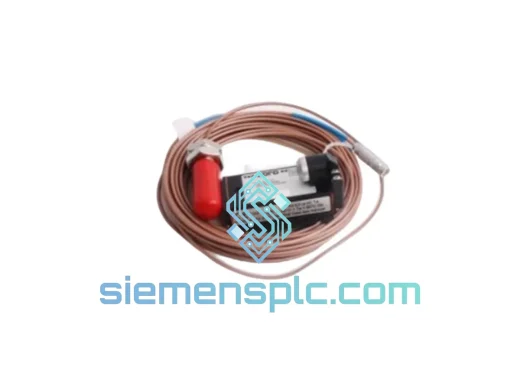
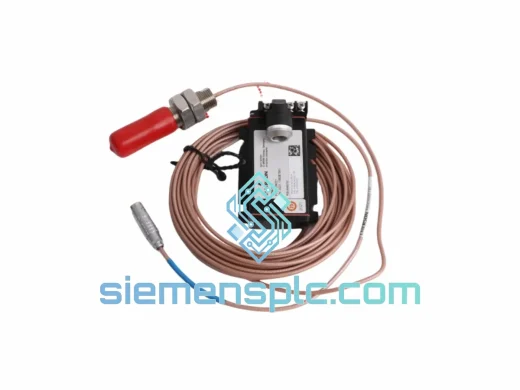
EMERSON PR6424/002-130 CON021 Displacement Sensor – Epro Series
Epro Series
Origin US
Displacement Sensor
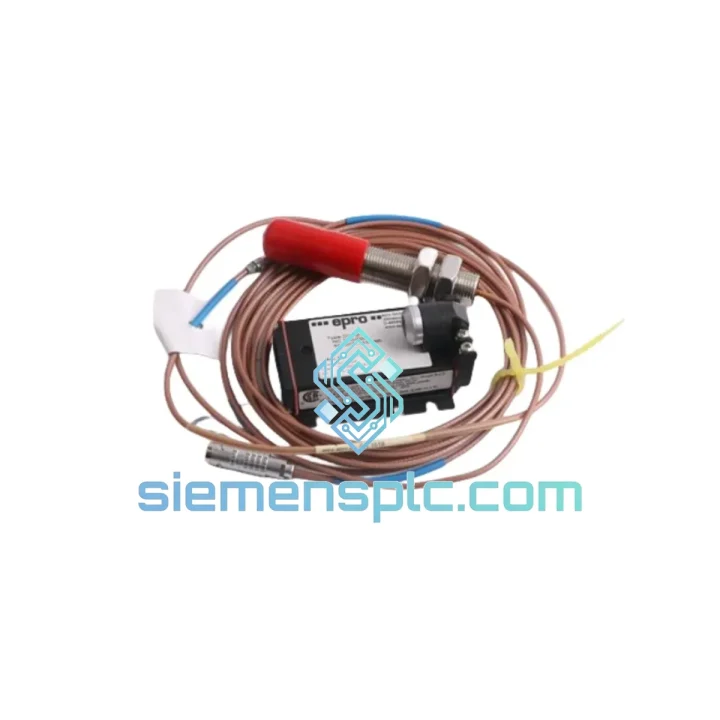
Request verified availability, condition, replacement risk review, packing options and courier lead time for PR6423/014-110.
Click Request Quote and the part number is inserted into the inquiry form automatically.
Core fields for model confirmation and RFQ routing. Detailed product narrative remains below.
Your turbine is tripped. The control room is red. Maintenance is standing by. Every hour offline is burning through your production budget — and the bottleneck is a single eddy current proximity sensor. The EMERSON PR6423/014-110 CON021 is on our shelf in Xiamen right now. We’ve shipped this exact part to power plants in Southeast Asia, refineries in the Middle East, and paper mills in Europe — all on emergency timelines. We know what’s at stake. Let’s get you back online.
URGENT REQUIREMENT? Contact: [email protected] | WhatsApp: +86 18359268345
| Part Number | PR6423/014-110 CON021 |
| Brand | EMERSON (Epro) |
| Series | Epro PR6423 |
| Sensor Type | Non-contact Eddy Current Proximity Probe |
| Tip Diameter | 14 mm (M14 x 1.5 thread) |
| Cable / Connector | 1.0 m integral cable, CON021 connector |
| Sensitivity | 8 mV/um (200 mV/mil) |
| Linear Range | 0.25 mm to 2.25 mm (10 to 90 mil) |
| Supply Voltage | -24 VDC (via Epro driver/monitor) |
| Operating Temperature | -40 C to +120 C (tip); -40 C to +85 C (cable) |
| Protection Rating | IP67 |
| Target Material | Ferromagnetic steel (AISI 4140 or equivalent) |
| Compatible Monitors | Epro MMS 6000, MMS 3000, CSI 6500 |
| API Standard | API 670 compliant |
| Origin | Germany |
| Stock Status | Ready to Ship — Xiamen Warehouse |
These are the failure modes and field gotchas that catch engineers off guard during a rushed swap. Pulled from real commissioning and breakdown experience.
Common Failure Modes:
Step-by-Step Replacement Procedure:
Configuration Notes:
The PR6423/014-110 CON021 was not designed for a clean lab. It was designed for the inside of a turbine casing where oil mist is constant, temperatures swing from cold startup to 120 C at full load, and the entire machine vibrates at frequencies that shake loose anything not properly secured.
IP67 means full dust exclusion and temporary immersion to 1 meter — relevant when bearing housings flood during seal failures or when the sensor is hosed down during maintenance. The stainless steel body and chemically resistant cable jacket handle hydrocarbon-laden atmospheres common in refinery and compressor applications without degradation over multi-year service intervals.
Vibration resistance is inherent to the operating principle: no moving parts, no shaft contact, no wear mechanism. The sensor installed during commissioning five years ago should read identically to a new unit. When it does not, the failure is almost always in the cable or connector — not the sensor coil. This is why inspecting the CON021 connector is always the first step before ordering a replacement.
Thermal cycling is the other major stress factor. The PR6423 coil assembly is potted in a thermally stable compound that maintains dimensional integrity across the full operating range. Sensitivity drift over temperature stays within plus or minus 1% — well within API 670 accuracy requirements. For installations near exhaust casings or in high-humidity tropical environments, the IP67 seal on the CON021 connector is the critical protection point. Inspect the O-ring condition at every planned maintenance interval.
Our warehouse is in Xiamen — one of the most logistics-connected export hubs in Asia. We ship daily via DHL Express and FedEx International Priority. Here is what the timeline actually looks like:
All shipments include commercial invoice, packing list, and country of origin certificate. For customers requiring specific customs HS code declarations or freight forwarding to a nominated agent, contact us before order placement — we handle this routinely for regulated industries.
For genuine shutdown emergencies, call or WhatsApp us directly. We have arranged same-day courier handoffs to international freight agents for situations where standard express timelines are not acceptable. If you need it faster than DHL can move it, talk to us.
Email: [email protected]
WhatsApp: +86 18359268345
Web: siemensplc.com
2026 siemensplc.com. All rights reserved.
We check the full part number, brand, series and visible nameplate information before quotation.
Sales confirms stock path, condition option, quantity and realistic lead time for export dispatch.
DHL, FedEx, UPS or buyer courier arrangements can be reviewed with packing requirements.
Similar brand or category products for fast comparison and multi-item RFQ lists.