Honeywell
RFQ Ready
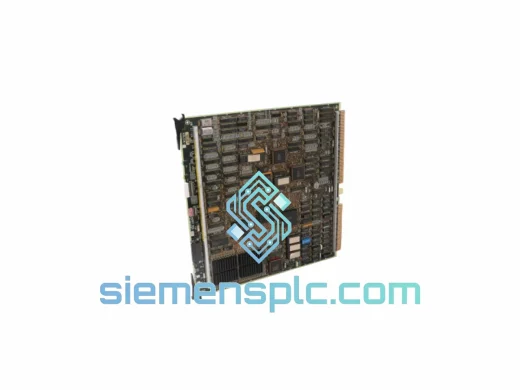
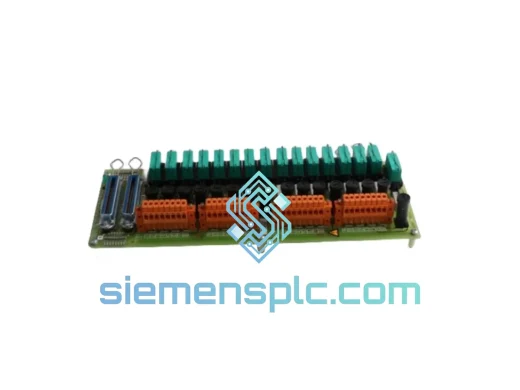
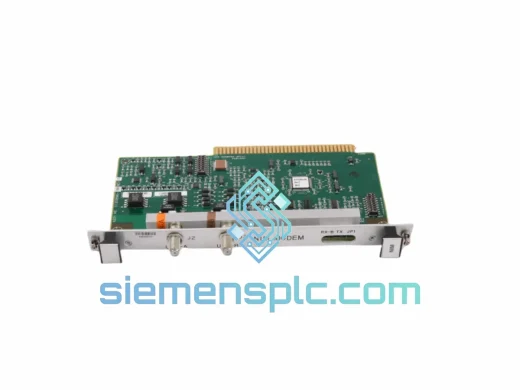
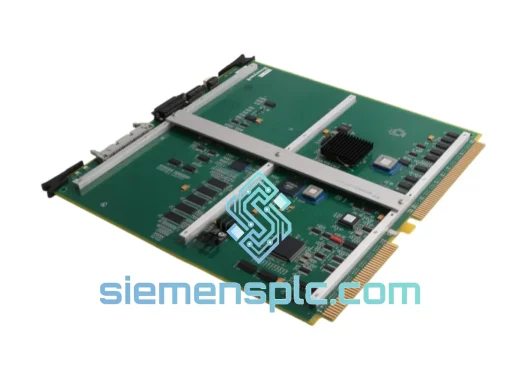
Honeywell K4LCN-16 51403519-160 LCN Interface Module
TDC 3000
Origin US
LCN Interface Module
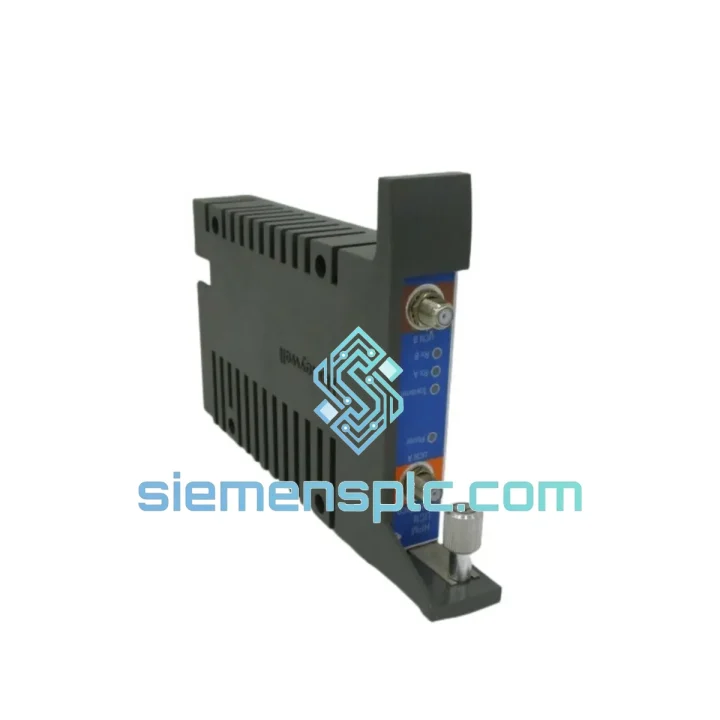
Request verified availability, condition, replacement risk review, packing options and courier lead time for 51402573-250.
Click Request Quote and the part number is inserted into the inquiry form automatically.
Core fields for model confirmation and RFQ routing. Detailed product narrative remains below.
Every minute your TDC 3000 High Performance Manager sits offline, you’re watching money drain out of the process. A failed UCM Interface module doesn’t just interrupt data flow — it kills closed-loop control across every regulatory loop tied to that HPM node. Refineries, chemical plants, and power stations running legacy Honeywell DCS infrastructure know this pain intimately. The 51402573-250 is not a shelf item you can wait weeks for. You need it today.
We stock the Honeywell 51402573-250 UCM Interface Module in Xiamen, China, with same-day dispatch capability via DHL Express and FedEx International Priority. Our inventory is sourced through authenticated industrial channels — not grey market, not counterfeit. Every unit is power-on tested and communication-verified before it leaves our warehouse. When your plant is down, you don’t have time for surprises at installation.
⚡ URGENT REQUIREMENT? Contact: [email protected] | WhatsApp: +86 18359268345
| Parameter | Specification |
|---|---|
| Part Number | 51402573-250 |
| Manufacturer | Honeywell Process Solutions |
| Module Type | UCM (Universal Control Module) Interface |
| Platform | TDC 3000 / High Performance Manager (HPM) |
| Form Factor | Standard HPM card cage module |
| Communication Protocol | Honeywell proprietary UCM token-passing bus |
| Operating Temperature | 0°C to 60°C |
| Power Supply | Via HPM backplane (no external feed required) |
| Firmware | Factory-loaded; field-upgradeable per Honeywell service bulletin |
| Weight | ~480 g |
| Compliance | CE, UL listed (per original Honeywell certification) |
| Availability | ✅ Ready to Ship — Xiamen Stock |
Common Failure Signatures
Before you pull the card, confirm the fault is actually the 51402573-250 and not a backplane or power issue. In the HPM console, a UCM Interface failure typically surfaces as one or more of the following: persistent UCM COMM FAIL or UCM OFFLINE alarms in the TDC 3000 alarm summary, loss of all IOP (Input/Output Processor) communication on the affected UCM bus segment, or a solid red LED on the module faceplate with no green heartbeat flash. If you’re seeing intermittent dropouts rather than a hard fail, check the card cage backplane connector pins for oxidation before condemning the module — a corroded backplane contact mimics UCM Interface failure and wastes a replacement.
Step-by-Step Hot-Swap Replacement Procedure
Common Post-Replacement Pitfalls
Process plants are not data centers. The HPM card cage environment routinely exposes electronics to conditions that would destroy consumer-grade hardware within weeks. The 51402573-250 was engineered to Honeywell’s industrial-grade specifications, which means it has been validated against the full spectrum of plant-floor abuse.
Vibration: Continuous low-frequency vibration from rotating machinery — compressors, pumps, turbines — is a primary cause of PCB solder joint fatigue in control room electronics. The 51402573-250 uses conformal-coated PCBs with reinforced connector retention to maintain electrical integrity under sustained vibration profiles consistent with IEC 60068-2-6 test conditions.
Thermal Cycling: Card cage temperatures fluctuate with ambient conditions and HVAC reliability. The module’s operating range of 0°C to 60°C accommodates the thermal swings common in tropical refineries and cold-climate power stations alike. Component derating ensures that operation at the upper thermal limit does not accelerate capacitor aging or clock drift in the communication logic.
Humidity and Condensation: Coastal and tropical installations push relative humidity to levels that cause dendritic growth on unprotected PCBs. Honeywell’s conformal coating on the 51402573-250 provides a moisture barrier that prevents leakage currents between signal traces — a failure mode that produces erratic UCM bus behavior rather than a clean hard fault, making it notoriously difficult to diagnose without physical inspection.
EMI/RFI: High-voltage switchgear, variable frequency drives, and welding equipment generate electromagnetic interference that can corrupt serial communication on unshielded bus segments. The UCM Interface’s onboard filtering and shielded connector design maintain signal integrity in electrically noisy plant environments.
Every unit we ship has been inspected for physical damage to the conformal coating, connector pins, and PCB surface. We do not ship modules with compromised environmental protection — a cracked conformal coat in a humid plant environment is a ticking clock, not a functional spare.
Our warehouse is located in Xiamen, Fujian Province, China — one of the country’s primary export hubs with direct access to international freight lanes via Xiamen Gaoqi International Airport and Xiamen Port. This geographic position gives us consistent, fast transit times to industrial customers across Southeast Asia, the Middle East, Europe, and the Americas.
Standard Dispatch Process:
Typical Transit Times (DHL Express / FedEx IP):
For bulk orders or projects requiring sea freight consolidation, we coordinate with licensed freight forwarders and provide full FCL/LCL documentation. Contact us for project-specific logistics planning.
We have shipped Honeywell DCS components to operating plants in over 40 countries. Our export compliance team reviews every order against applicable trade regulations before dispatch. If your destination requires an export license review, we will notify you within 4 business hours of order placement — not after the shipment is already held at customs.
📧 Email: [email protected]
💬 WhatsApp: +86 18359268345
🌐 Web: siemensplc.com
© 2026. All rights reserved.
We check the full part number, brand, series and visible nameplate information before quotation.
Sales confirms stock path, condition option, quantity and realistic lead time for export dispatch.
DHL, FedEx, UPS or buyer courier arrangements can be reviewed with packing requirements.
Similar brand or category products for fast comparison and multi-item RFQ lists.