Yokogawa
In Stock OK
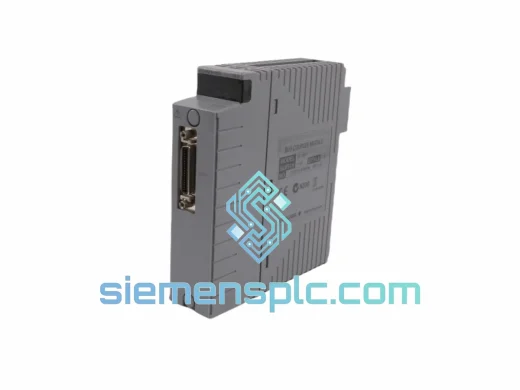
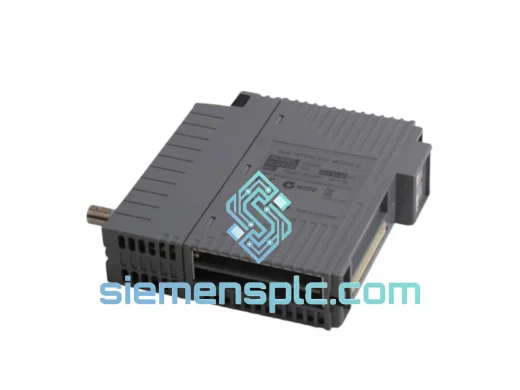
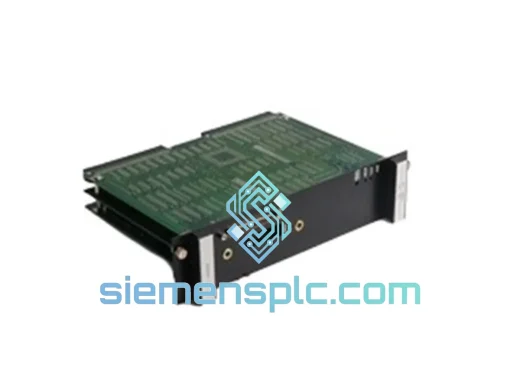
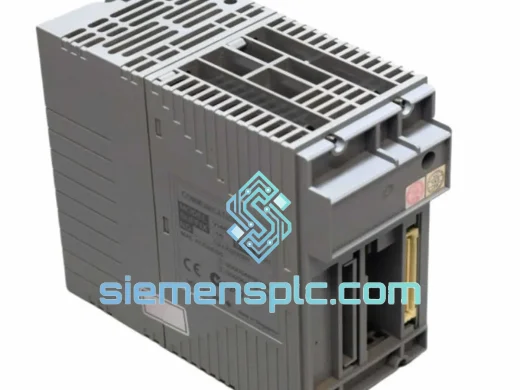
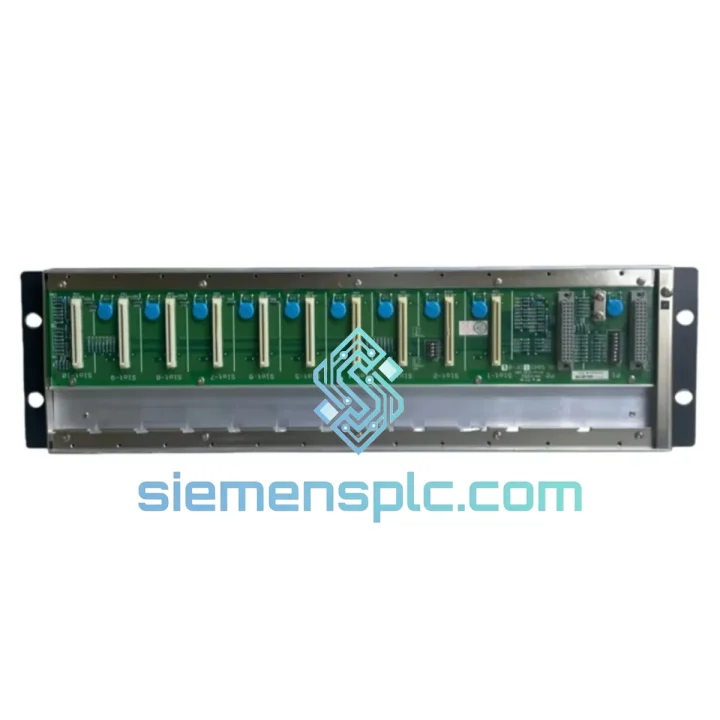
Yokogawa NFBU200-S05 S2 DCS Base Unit Module
Request verified availability, condition, replacement risk review, packing options and courier lead time for NFBU200-S05.
BrandYokogawa
Part NumberNFBU200-S05
ConditionAvailability Check
Lead TimeRFQ Confirmation
DocumentsDatasheet / photos by RFQ
ShippingExport packing available
Auto-filled RFQ
NFBU200-S05
Click Request Quote and the part number is inserted into the inquiry form automatically.
- Reply by email: [email protected]
- WhatsApp / Tel: +86 18359268345
- Mon-Sat 9:00-18:00 GMT+8
Procurement Data
Key Product Information
Core fields for model confirmation and RFQ routing. Detailed product narrative remains below.
- Brand
- Yokogawa
- Primary Part Number
- NFBU200-S05
- Product Type
- DCS Base Unit Module
- Series / Family
- CENTUM VP
- Manufacturer
- Yokogawa Electric Corporation
- Country of Origin
- JP
- Catalog Category
- DCS & Safety Modules
- Operating Temp.
- 0 °C to 55 °C
- Humidity
- 5%–95% RH, non-condensing
Model confirmed for inquiry
NFBU200-S05
Send quantity, destination and urgency. The RFQ form keeps this part number attached.
Request Quote
Product Overview
Yokogawa NFBU200-S05 S2 — Stop the Bleed: Every Hour of DCS Downtime Costs You More Than This Module
Your CENTUM VP node is down. The FCS is offline. Production is hemorrhaging. You’ve already called your local distributor — lead time is 6 weeks. That’s not an option. The Yokogawa NFBU200-S05 S2 5-slot base unit is in stock at our Xiamen warehouse right now. We ship DHL Express within 24 hours of order confirmation. Most destinations in Southeast Asia, the Middle East, and Europe receive parts within 3–5 business days. This is the module. This is the source. Let’s get your plant back online.
URGENT REQUIREMENT? Contact: [email protected] | WhatsApp: +86 18359268345
Quick Technical Datasheet
| Parameter | Specification | Status |
|---|---|---|
| Part Number | NFBU200-S05 S2 | ✅ Ready to Ship |
| Manufacturer | Yokogawa Electric Corporation | — |
| Platform | CENTUM VP / CS 3000 | — |
| Module Category | Field Control Station Base Unit | — |
| Slot Count | 5 slots (S05 configuration) | — |
| Hardware Suffix | S2 (Standard industrial revision) | — |
| Bus Interface | V-net / ER Bus (Yokogawa proprietary) | — |
| Mounting Style | DIN rail / panel mount | — |
| Operating Temperature | 0 °C to 55 °C | — |
| Storage Temperature | -25 °C to 70 °C | — |
| Humidity | 5%–95% RH, non-condensing | — |
| Weight | Approx. 1,000 g | — |
| Origin | Japan | — |
| Certifications | CE, UL, RoHS | — |
| Dispatch Location | Xiamen, China | ✅ Same-Day Cut-off: 15:00 CST |
Troubleshooting & Replacement Tips
Swapping a base unit in a live CENTUM VP system is not a plug-and-play operation. Miss one step and you’ll be chasing a ghost fault for hours. Here’s the field-tested sequence:
- Step 1 — Confirm FCS redundancy state. Before touching anything, check whether the affected FCS node is running in simplex or duplex mode. If duplex, initiate a controlled switchover to the standby FCS before pulling the faulty base unit. Skipping this step on a simplex node means a hard process trip — communicate with the control room first.
- Step 2 — Document the slot-to-module mapping. Photograph or record which I/O module occupies each of the 5 slots. The NFBU200-S05 S2 does not store slot configuration internally — that lives in the FCS processor. However, physical re-seating order matters for bus addressing during restart.
- Step 3 — Check the S2 suffix match. The suffix code on the replacement unit must match the original. Mixing S2 with S3 or S4 hardware revisions in the same node can cause intermittent V-net communication errors that are extremely difficult to trace. Verify the label on the PCB edge, not just the outer carton.
- Step 4 — ESB bus termination. If this base unit is at the end of an ESB bus chain, confirm the bus terminator (EB401/EB501 side) is properly seated after reinstallation. A missing terminator on a multi-node chain will cause all downstream nodes to report communication faults — a common post-replacement trap.
- Step 5 — Power sequencing. Apply power to the base unit before inserting I/O modules. The NFBU200 series performs a self-diagnostic on power-up. Inserting modules before power stabilizes can corrupt the module recognition sequence and generate false hardware fault alarms in the HIS.
- Step 6 — FCS download verification. After physical replacement, perform a partial download from the Engineering Workstation (EWS) targeting only the affected FCS node. Do not execute a full system download unless instructed — this risks disrupting other running nodes. Confirm all I/O module status LEDs return to green before releasing the loop to automatic.
- Common fault codes to watch: ALM-3201 (base unit hardware fault), ALM-3205 (V-net communication timeout), ALM-3210 (I/O module unrecognized) — all three can appear after a base unit swap and typically clear within 2 minutes of a successful FCS restart. If they persist beyond 5 minutes, suspect a firmware mismatch between the new base unit revision and the FCS processor firmware version.
Reliability in Harsh Conditions
The NFBU200-S05 S2 was not designed for a climate-controlled server room. It was built for the cabinet floor of a refinery control room in the Middle East, a pulp mill in Scandinavia, and a chemical plant in coastal Southeast Asia — environments where ambient temperature swings 30 degrees between day and night, where humidity condenses on cold metal surfaces at shift change, and where vibration from nearby compressors and pumps is a constant background condition.
Yokogawa’s manufacturing process for the NFBU200 series includes conformal coating on critical PCB areas to resist moisture ingress and corrosive atmospheres. The backplane connectors use gold-plated contacts rated for a minimum of 500 insertion cycles — relevant when you’re doing annual preventive maintenance swaps across a large FCS network. The chassis itself is constructed from cold-rolled steel with a powder-coat finish that resists the UV degradation common in tropical installations.
Vibration tolerance is rated to IEC 60068-2-6 standards, covering sinusoidal vibration profiles that simulate the mechanical environment of a running plant. This is not a specification that matters until your base unit is mounted 2 meters from a 500 kW pump — and then it’s the only specification that matters. The NFBU200-S05 S2 has a documented field MTBF that exceeds 10 years under continuous operation in these conditions. That’s why plants that installed CENTUM CS 3000 systems in the early 2000s are still running NFBU200-series base units today — and why finding a reliable replacement source matters when one finally fails.
Global Express Logistics
Our dispatch hub is located in Xiamen, Fujian Province — one of China’s primary export ports with direct DHL Express and FedEx International Priority service to over 220 countries and territories. Here’s exactly what happens after you confirm your order:
- Order confirmed before 15:00 CST: Module is pulled from shelf stock, inspected, photographed, and packed in anti-static foam with humidity indicator card. Shipping label generated same day.
- Export documentation: Commercial invoice, packing list, and certificate of origin prepared within 2 hours of order confirmation. HS Code 8537.10 applied for customs clearance. We handle all export paperwork — you handle the receiving.
- DHL Express transit times (typical): Southeast Asia 2–3 days | Middle East 3–4 days | Europe 3–5 days | North America 4–6 days | Australia 3–5 days.
- FedEx International Priority available as an alternative carrier for destinations where DHL coverage is limited or where your plant has a preferred carrier account.
- Tracking: AWB number sent via email and WhatsApp within 4 hours of dispatch. Real-time tracking link provided. We monitor shipments proactively and alert you to any customs holds or routing delays before you have to ask.
- Emergency freight: For genuine plant-down situations, we can arrange next-flight-out courier service from Xiamen Gaoqi International Airport. Contact us directly on WhatsApp for this option — it bypasses standard booking queues.
Contact Information
Email: [email protected]
WhatsApp: +86 18359268345
Web: siemensplc.com
© 2026 siemensplc.com. All rights reserved.
Ready to quote
[email protected]
Send This Part Number to Sales
RFQ workflow
Quality workflow ->
Confirmation Process
01Model confirmation
We check the full part number, brand, series and visible nameplate information before quotation.
02Availability reply
Sales confirms stock path, condition option, quantity and realistic lead time for export dispatch.
03Packing & courier
DHL, FedEx, UPS or buyer courier arrangements can be reviewed with packing requirements.
Continue sourcing
Browse full catalog ->
Related Automation Parts
Similar brand or category products for fast comparison and multi-item RFQ lists.