Yokogawa
RFQ Ready
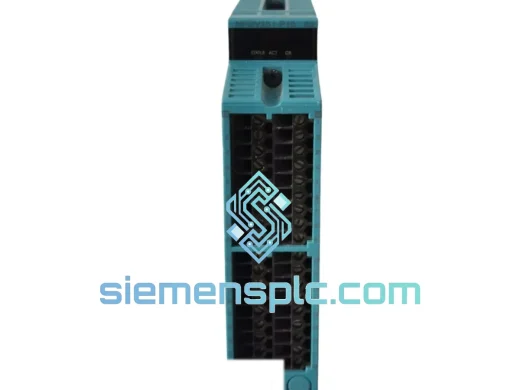
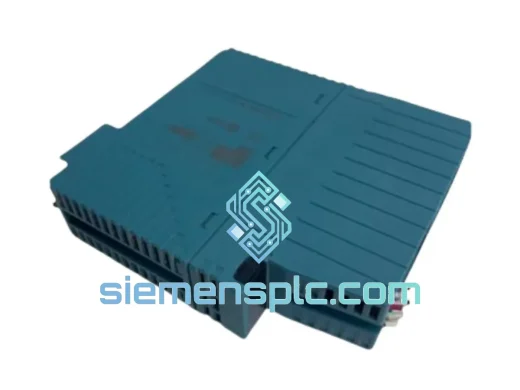
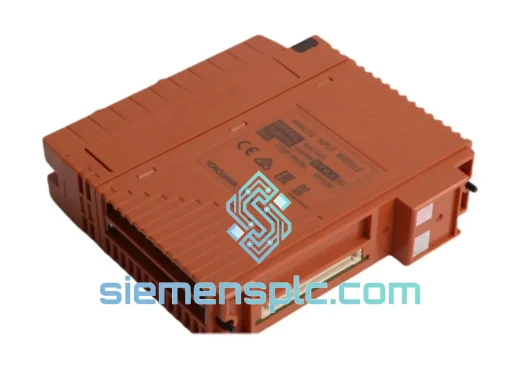
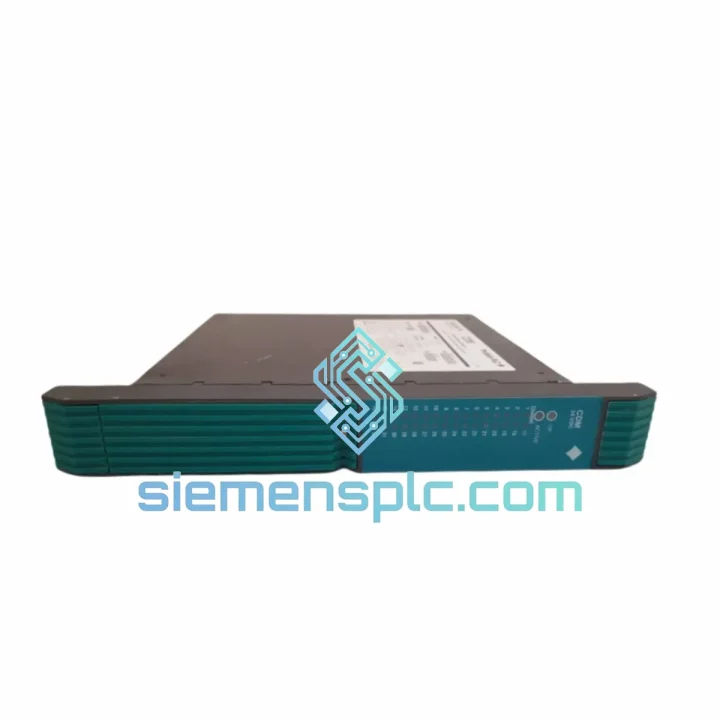
Yokogawa SNB10D-425/CU2T Safety I/O Module – ProSafe-RS
ProSafe-RS
Origin JP
Safety I/O Module
Request verified availability, condition, replacement risk review, packing options and courier lead time for PSCDM024DCBAN.
Click Request Quote and the part number is inserted into the inquiry form automatically.
Core fields for model confirmation and RFQ routing. Detailed product narrative remains below.
Your safety loop is down. Every minute the plant sits idle, you’re bleeding money — production losses, penalty clauses, and the pressure of a safety audit breathing down your neck. The Yokogawa PSCDM024DCBAN is a 24-channel DC Critical Discrete Module (CDM) for the ProSafe-RS Safety Instrumented System. We stock it in Xiamen. We ship it today. That’s the only conversation that matters right now.
URGENT REQUIREMENT? Contact: [email protected] | WhatsApp: +86 18359268345
| Parameter | Specification |
|---|---|
| Part Number | PSCDM024DCBAN |
| Manufacturer | Yokogawa Electric Corporation |
| Series | ProSafe-RS |
| Module Type | CDM – Critical Discrete Module |
| I/O Channels | 24 × DC Discrete |
| Signal Type | Digital Input / Output (DC) |
| Safety Integrity Level | SIL 2 (IEC 61508 / IEC 61511) |
| Backplane Interface | ProSafe-RS Node Bus |
| Operating Temperature | 0 °C to 60 °C |
| Humidity | 5% to 95% RH (non-condensing) |
| Weight | Approx. 1,800 g |
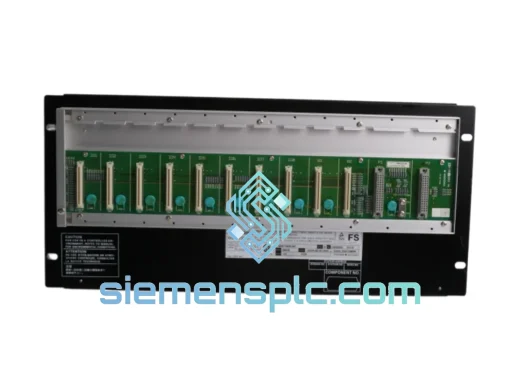
| Mounting | ProSafe-RS Node Chassis |
| Origin | Japan |
| Availability | ✅ Ready to Ship – Xiamen Stock |
Ten years on the floor taught me one thing: most CDM failures are not random. Here’s what you need to know before you pull the card.
Common Fault Indicators:
Replacement Procedure – Key Steps:
The PSCDM024DCBAN is not office hardware. It is built for the environments that destroy lesser equipment — and it has the track record to prove it.
Offshore platforms in the South China Sea run these modules in cabinets exposed to salt-laden air, constant vibration from diesel generators, and ambient temperatures that swing 30 °C between day and night. The ProSafe-RS CDM architecture uses conformal-coated PCBs as standard, protecting copper traces from condensation and corrosive atmospheres. The backplane connector is a gold-plated, high-retention design rated for 500 insertion cycles — critical when modules are pulled for proof testing every 12 to 24 months.
Vibration resistance meets IEC 60068-2-6 (sinusoidal) and IEC 60068-2-64 (random), covering the frequency ranges generated by rotating machinery, compressors, and pump skids. In petrochemical plants where ambient temperatures routinely hit 55 °C inside control room enclosures, the module’s 60 °C upper operating limit provides the margin you need without forced cooling.
The internal watchdog and self-diagnostic architecture runs continuous online testing of I/O channels, power rails, and communication paths. Detected faults are reported to SENG within one diagnostic test interval — typically 100 ms — giving operators actionable information before a spurious trip occurs. This is what SIL 2 certification means in practice: the module is as rigorous about finding its own failures as it is about detecting field faults.
We operate from Xiamen, China — one of the country’s primary export hubs with direct DHL and FedEx gateway access. Here’s how a typical emergency shipment moves:
If your plant is down and you need a commitment on delivery time before placing an order, call us on WhatsApp right now. We will give you a confirmed ship date, not an estimate.
Email: [email protected]
WhatsApp: +86 18359268345
Web: siemensplc.com
© 2026 siemensplc.com. All rights reserved.
We check the full part number, brand, series and visible nameplate information before quotation.
Sales confirms stock path, condition option, quantity and realistic lead time for export dispatch.
DHL, FedEx, UPS or buyer courier arrangements can be reviewed with packing requirements.
Similar brand or category products for fast comparison and multi-item RFQ lists.