Bently Nevada
RFQ Ready
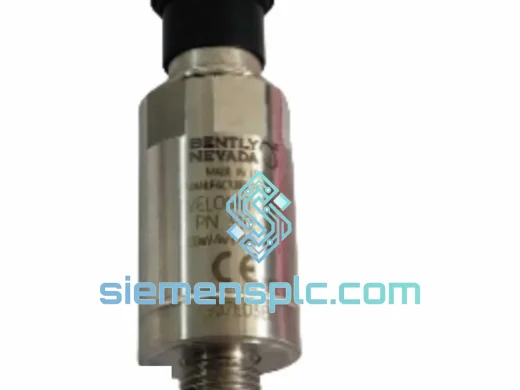
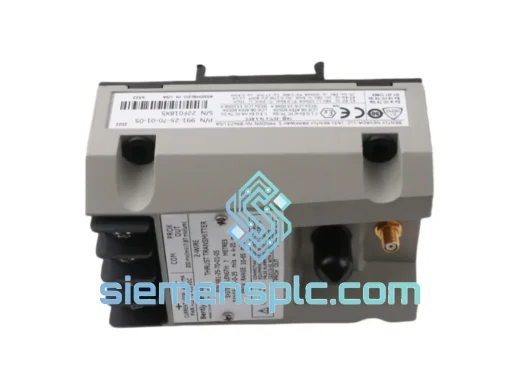
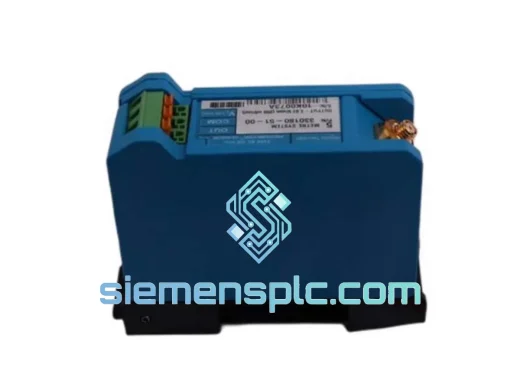
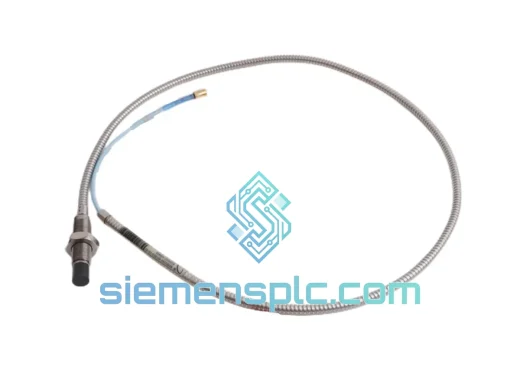
Bently Nevada RS901104-03-050-10-01 Proximitor Sensor – 3300 XL Series
3300 XL
Origin US
Proximitor Sensor
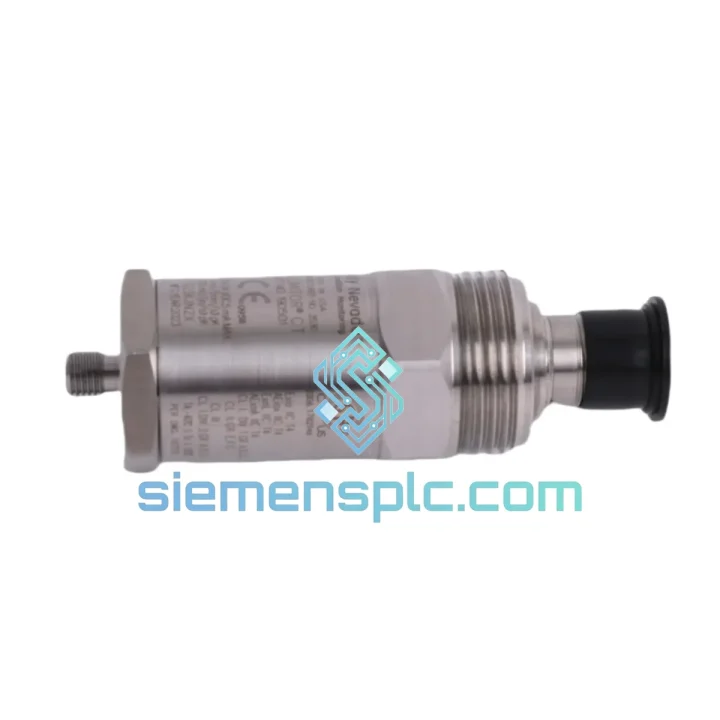
Request verified availability, condition, replacement risk review, packing options and courier lead time for 190501-08-99-01.
Click Request Quote and the part number is inserted into the inquiry form automatically.
Core fields for model confirmation and RFQ routing. Detailed product narrative remains below.
Every hour your turbomachinery sits idle, the losses compound. A failed velocity transducer on a 3500-series rack doesn’t just trip an alarm — it shuts down the entire protection channel, forcing a plant hold until the sensor is back online. The Bently Nevada 190501-08-99-01 Velomitor CT is the exact OEM part that restores your monitoring channel to full operation. We stock it in Xiamen and ship globally via DHL/FedEx express — because waiting three weeks for a factory order is not an option when your compressor train is cold.
URGENT REQUIREMENT? Contact: [email protected] | WhatsApp: +86 18359268345
| Parameter | Specification |
|---|---|
| Part Number | 190501-08-99-01 |
| Series | Velomitor CT (Compact Transducer) |
| Manufacturer | Bently Nevada (Baker Hughes) |
| Transducer Type | Electrodynamic Velocity (piezo-velocity) |
| Frequency Response | 2 Hz – 1,000 Hz |
| Output Signal | Voltage output, compatible with 3500 Series racks |
| Connector | 2-pin MIL-C-5015 (-08 suffix) |
| Housing | 316 Stainless Steel, IP67 |
| Operating Temperature | -40°C to +121°C |
| Weight | ~380 g |
| Compatible Monitors | Bently Nevada 3500/42M, 3500/42 |
| Standards | API 670 (5th Ed.), ISO 10816, ISO 20816 |
| Stock Status | ✅ Ready to Ship — Xiamen Warehouse |
| Origin | United States (OEM) |
After ten years of field work on 3500-series racks, here are the failure modes I see most often with the Velomitor CT — and what to check before you condemn the transducer:
1. Confirm the fault is the transducer, not the cable or monitor card. Before pulling the sensor, measure the transducer output at the junction box with a calibrated millivolt meter. A dead short (0 Ω) or open circuit (>10 MΩ) between the signal pins confirms internal transducer failure. If resistance reads within spec (~100–200 Ω coil resistance for electrodynamic types), suspect the cable first — particularly at the conduit entry gland where flex fatigue cracks the shield.
2. Check the 3500/42M channel configuration before installing the replacement. Navigate to the channel configuration in System 1 or the rack keypad: verify the input type is set to Velocity (Velomitor), not Accelerometer. A mismatch here will produce a valid-looking signal that is completely wrong in engineering units — a dangerous condition on a protection system. The -08 connector variant uses the standard 2-pin wiring: Pin A = Signal (+), Pin B = Common (−). Confirm polarity at the terminal block before torquing the connector.
3. Mounting orientation matters. The Velomitor CT is sensitive to gravity-induced zero-shift if mounted at angles other than the OEM-specified orientation. For horizontal machines, mount the transducer with the cable exit pointing downward to prevent condensate ingress. Torque the mounting stud to 14–17 N·m — under-torquing causes micro-movement that generates false low-frequency noise below 5 Hz.
4. Post-installation verification. After reconnecting, perform a static check: with the machine at rest, the 3500/42M should read 0.0 mm/s ± 0.1 mm/s. Any non-zero reading at standstill indicates either a wiring fault or a mounting resonance issue. Run the machine up slowly through the first critical speed and confirm the vibration trend tracks the historical baseline — a new transducer with identical sensitivity should overlay the previous trend within ±5%.
Common fault codes on the 3500/42M associated with a failed 190501-08-99-01:
The Velomitor CT was designed for environments that destroy ordinary sensors. The 316 stainless steel housing is rated IP67 — fully sealed against water ingress during washdowns and condensation cycles in tropical climates. The internal piezo-velocity element is potted in a vibration-damping compound that survives continuous broadband vibration up to 50 g RMS, which covers the harshest gearbox housings and reciprocating compressor frames.
In high-temperature bearing housings — common on steam turbine pedestals where ambient temperatures routinely exceed 80°C — the 190501-08-99-01 operates continuously up to 121°C without drift or sensitivity degradation. The MIL-spec connector is rated for 500 mating cycles and sealed with a neoprene O-ring that maintains IP67 integrity even after repeated field disconnections during maintenance windows.
For offshore and marine installations, the stainless housing resists salt-spray corrosion per IEC 60068-2-52 (salt mist cycling). We have supplied this part to FPSO operators in the South China Sea and North Sea platforms where corrosion failures on competitor sensors were causing quarterly replacements — the Velomitor CT runs maintenance-free for 5+ years in those environments.
Our Xiamen warehouse operates a same-day dispatch cut-off of 15:00 CST for orders confirmed with payment before that time. Here is exactly what happens after you place your order:
For projects requiring DDP (Delivered Duty Paid) terms, we handle import duties and customs brokerage in most major markets — your procurement team receives a single invoice with no surprise customs bills on arrival. Emergency air freight on charter basis is available for critical plant shutdowns — contact us directly on WhatsApp for same-day logistics coordination.
Email: [email protected]
WhatsApp: +86 18359268345
Web: siemensplc.com
© 2026 siemensplc.com. All rights reserved.
We check the full part number, brand, series and visible nameplate information before quotation.
Sales confirms stock path, condition option, quantity and realistic lead time for export dispatch.
DHL, FedEx, UPS or buyer courier arrangements can be reviewed with packing requirements.
Similar brand or category products for fast comparison and multi-item RFQ lists.