Bently Nevada
RFQ Ready
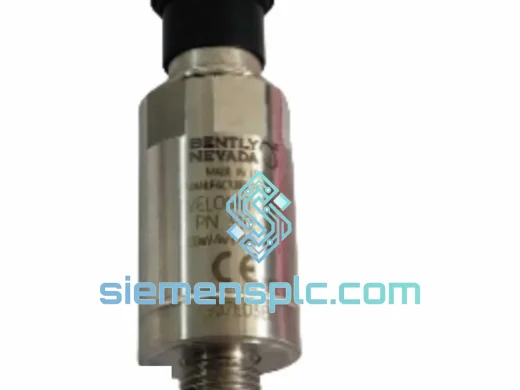
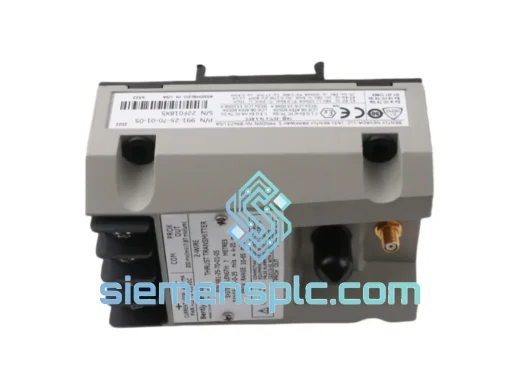
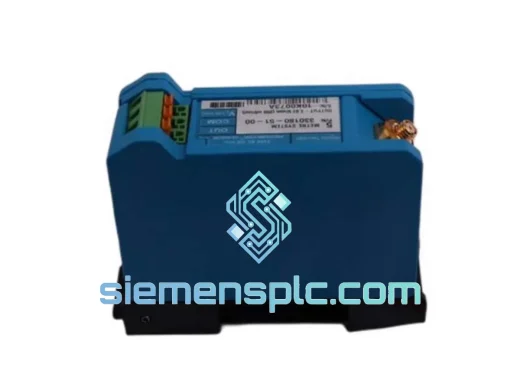
Bently Nevada RS901104-03-050-10-01 Proximitor Sensor – 3300 XL Series
3300 XL
Origin US
Proximitor Sensor
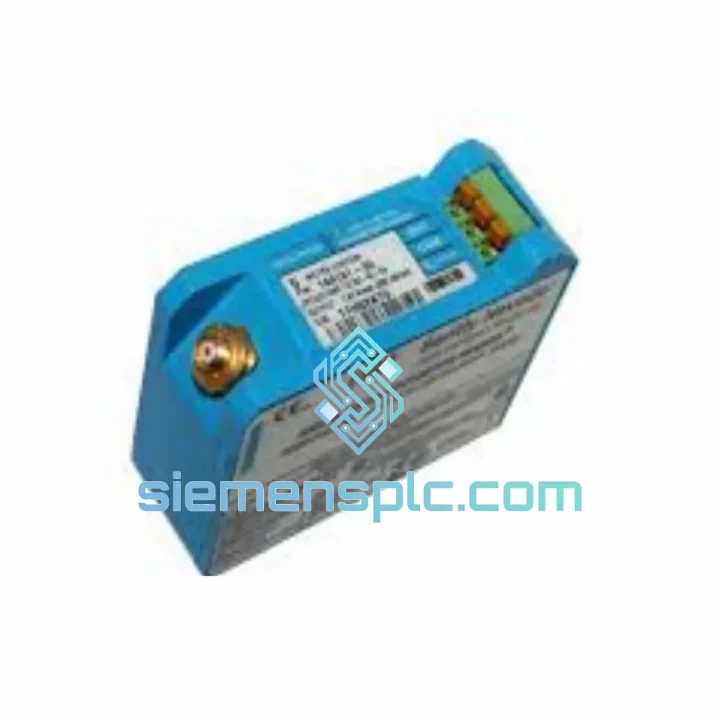
Request verified availability, condition, replacement risk review, packing options and courier lead time for 144181-50.
Click Request Quote and the part number is inserted into the inquiry form automatically.
Core fields for model confirmation and RFQ routing. Detailed product narrative remains below.
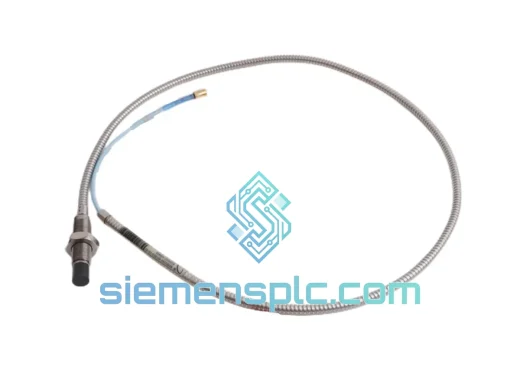
Every minute a critical rotating machine sits idle costs real money. Compressor trains, steam turbines, boiler feed pumps — when the proximity transducer fails, the entire protection loop goes blind and the unit trips. The Bently Nevada 144181-50 is an 8 mm eddy-current proximity transducer system built for the 3300 XL monitoring platform, and we keep it on the shelf in Xiamen specifically so your plant doesn’t have to wait three weeks for a factory order. Place your order before 18:00 CST and it moves the same day.
URGENT REQUIREMENT? Contact: [email protected] | WhatsApp: +86 18359268345
| Parameter | Specification |
|---|---|
| Manufacturer | Bently Nevada (Baker Hughes) |
| Part Number | 144181-50 |
| Probe Diameter | 8 mm |
| Extension Cable Length | 50 cm (suffix “-50”) |
| Sensitivity | 200 mV/mil (7.87 V/mm) |
| Bias Output Voltage | −24 VDC nominal |
| Gap Voltage (nominal) | −10 VDC at standard air gap |
| Operating Temp – Probe | −35 °C to +121 °C |
| Operating Temp – Proximitor | −35 °C to +66 °C |
| Target Material (calibrated) | AISI 4140 steel |
| Compatible Monitor Series | 3300 XL, 3500/42M, 3500/45, 3500/46M |
| Compatible Proximitor | 330180 series (8 mm XL) |
| Compliance | API 670, CE, RoHS |
| Connector | BNC / MIL-spec (verify per drawing) |
| Weight | ~260 g (complete system) |
| Availability | Ready to Ship – Xiamen Stock |
Field experience shows the 144181-50 fails in three predictable ways. Knowing which failure mode you are dealing with cuts replacement time in half.
Failure Mode 1 – Gap Voltage Out of Range
The monitor flags a Not OK or gap voltage alarm (typically below −21 V or above −3 V). Before condemning the probe, check the extension cable for crush damage at the conduit entry point — this is the most common physical failure on compressor decks. Disconnect the cable at the Proximitor, measure resistance end-to-end: center conductor to shield should read the probe coil resistance (typically 7–9 Ω for an 8 mm probe). An open circuit or dead short confirms cable or probe failure, not the Proximitor.
Failure Mode 2 – Erratic Vibration Reading
If the 3300/3500 monitor shows a sudden spike in vibration with no corresponding process change, suspect the probe tip. Inspect for mechanical contact marks — the probe face should never touch the shaft. Verify the installed gap: nominal is 1.0–1.5 mm (−10 VDC). Use a non-ferrous feeler gauge. If the gap is correct and noise persists, swap the Proximitor first before pulling the probe from the bearing housing.
Failure Mode 3 – Intermittent Not OK During Startup
Thermal cycling causes connector oxidation at the probe-to-extension cable junction. Clean the BNC connector with contact cleaner, re-torque to spec, and apply a thin bead of silicone sealant at the junction if the installation is in a wet or steam-laden environment. If the fault clears after warmup and returns on the next cold start, the connector is the culprit — not the probe body.
Replacement Procedure (Condensed):
If your target material is not AISI 4140 steel (e.g., titanium, Inconel, or stainless), the standard calibration curve does not apply. Contact us — we can supply a recalibrated system or the Bently Nevada calibration correction factor for your specific alloy.
Proximity transducers live in the worst spots on the machine — inside bearing housings, exposed to lube oil mist, vibration, and heat soak from adjacent process piping. The 144181-50 is built for exactly this environment. The probe body is stainless steel with a PEEK tip material that resists oil, steam condensate, and most process chemicals encountered in refinery and power generation service. The coil assembly is epoxy-potted to prevent moisture ingress, which is the primary cause of sensitivity drift in competing designs.
Vibration endurance: the system is qualified to withstand the shock and vibration levels defined in API 670 Annex D — the same standard your machinery protection engineer used when specifying the monitoring system. In practice, this means the probe survives the startup transients and resonance events that destroy cheaper aftermarket alternatives within months.
Temperature cycling is handled by the matched thermal expansion coefficients of the probe body and the extension cable armor. Installations in steam turbine bearing housings running continuously for over a decade before first replacement are not uncommon with OEM parts. That is the baseline you restore when you fit a genuine 144181-50 instead of a generic substitute.
Our warehouse is in Xiamen, Fujian — one of China’s primary export hubs with direct access to DHL, FedEx, and UPS international gateways. Here is how a typical urgent order moves:
For plant shutdowns with a hard restart deadline, contact us on WhatsApp before placing the order. We will confirm the exact flight routing and estimated delivery window so your maintenance planner can schedule the installation crew accordingly.
Email: [email protected]
WhatsApp: +86 18359268345
Web: siemensplc.com
© 2026 siemensplc.com. All rights reserved.
We check the full part number, brand, series and visible nameplate information before quotation.
Sales confirms stock path, condition option, quantity and realistic lead time for export dispatch.
DHL, FedEx, UPS or buyer courier arrangements can be reviewed with packing requirements.
Similar brand or category products for fast comparison and multi-item RFQ lists.