Bently Nevada
RFQ Ready
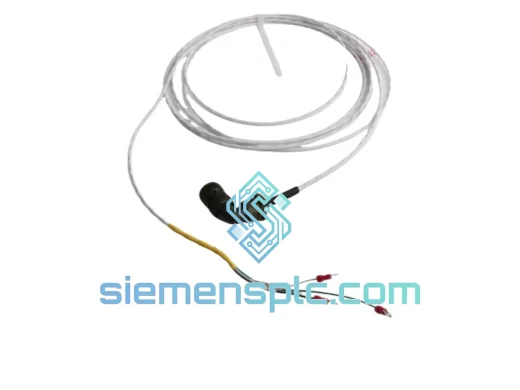
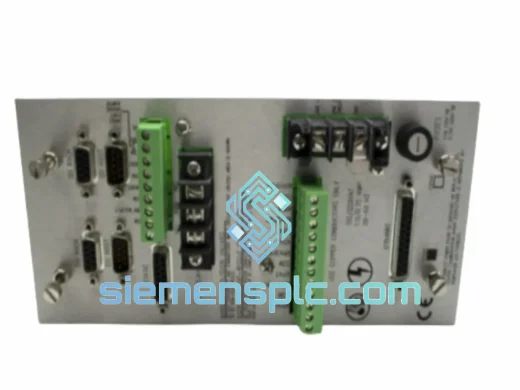
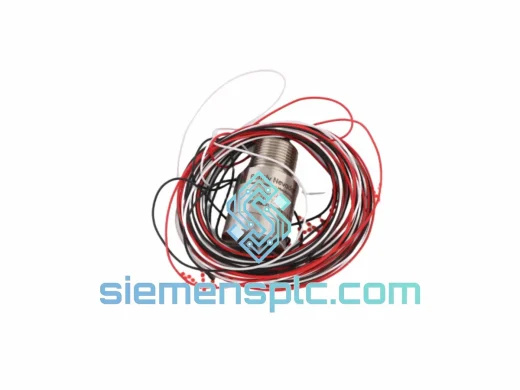
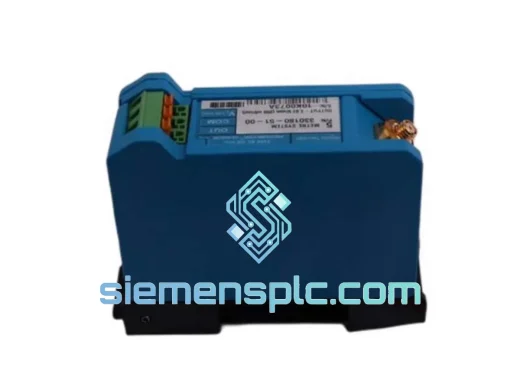
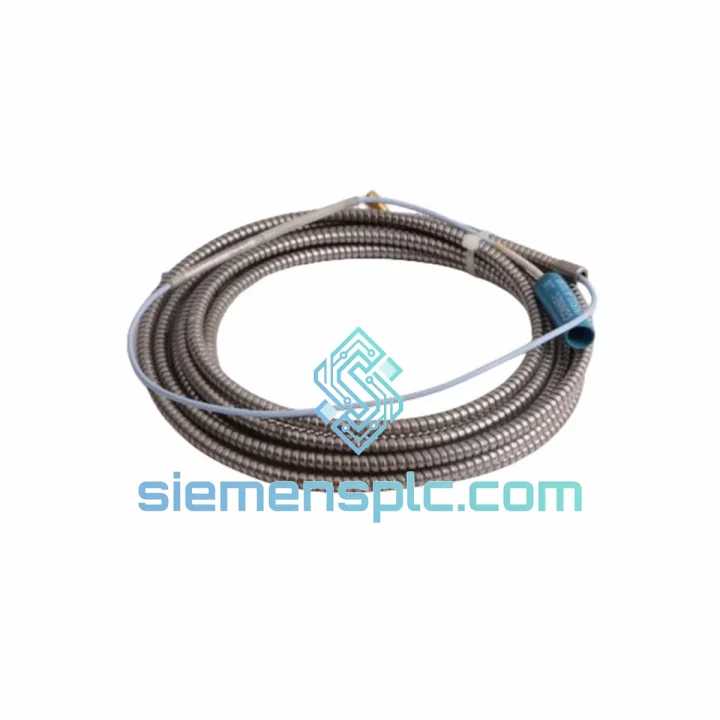
Bently Nevada 991-25-50-01-00 Thrust Transmitter – 3500 Series
3500 Series
Origin US
Thrust Transmitter
Request verified availability, condition, replacement risk review, packing options and courier lead time for 84661-60.
Click Request Quote and the part number is inserted into the inquiry form automatically.
Core fields for model confirmation and RFQ routing. Detailed product narrative remains below.
Every hour your turbine, compressor, or critical rotating asset sits idle costs real money. When the 84661-60 Velomitor Interconnect Cable fails — whether from connector fatigue, shield degradation, or physical damage during maintenance — you need a verified OEM replacement in hand, not a lead time. We stock the Bently Nevada 84661-60 in Xiamen and ship globally via DHL Express and FedEx International Priority. Most orders clear customs and arrive on-site within 3–5 business days. No waiting on distributor allocation. No minimum order quantity.
URGENT REQUIREMENT? Contact: [email protected] | WhatsApp: +86 18359268345
| Parameter | Specification |
|---|---|
| Part Number | 84661-60 |
| Brand | Bently Nevada (Baker Hughes) |
| Series | Velomitor Interconnect Cable |
| Compatible Sensors | 330500 Velomitor Velocity Sensor series |
| Cable Construction | Shielded coaxial, low-capacitance signal cable |
| Connector Type | MIL-spec bayonet / BNC-compatible terminations |
| Compatible Monitor | Bently Nevada 3500 Series Machinery Protection System |
| Weight | 260 g |
| Origin | China (Xiamen warehouse stock) |
| Availability | ✅ Ready to Ship — Same-Day Dispatch Available |
The 84661-60 sits in the signal path between your 330500 Velomitor velocity sensor and the 3500/42M vibration monitor input. When this cable degrades, the symptoms are rarely obvious — you won’t get a hard fault. Instead, you’ll see erratic vibration amplitude readings, intermittent OK relay chatter, or a slow drift in baseline that your condition monitoring team flags as a bearing trend. Before you pull the bearing housing apart, check the cable first.
Step 1 — Isolate the cable loop. Disconnect the 84661-60 at both ends. Use a calibrated signal source (or a known-good Velomitor sensor on a bench shaker) connected directly to the 3500/42M input via a short jumper. If the monitor reads correctly, the cable is the fault. If the fault follows the sensor, the sensor is suspect.
Step 2 — Shield continuity check. Measure shield-to-ground resistance end-to-end. Any reading above 1 Ω indicates a broken shield braid — the most common failure mode after years of vibration fatigue at the connector boot. A compromised shield will inject 50/60 Hz noise into the signal, showing up as a fixed-frequency spike on your spectrum that operators often misread as a running-speed harmonic.
Step 3 — Connector inspection. The MIL-spec bayonet connector on the sensor end is the highest-wear point. Look for corrosion on the center pin, cracked insulator, or a loose bayonet lock that allows micro-movement under vibration. Even 0.1 mm of connector play generates enough signal modulation to trigger nuisance alarms on a 3500 rack configured with tight OK limits.
Step 4 — Replacement procedure. De-energize the 3500 rack channel before disconnecting. Route the new 84661-60 along the same cable tray path — avoid sharp bends tighter than 50 mm radius at the connector exits. Torque the bayonet lock finger-tight plus a quarter turn. After reconnection, allow 15 minutes for the Velomitor sensor to thermally stabilize before recording a new baseline. Update your System 1 database with the cable replacement date and new baseline values.
Common fault codes on 3500/42M after cable failure:
The 84661-60 is not a generic instrumentation cable. Bently Nevada engineered it specifically for the mechanical and electrical environment around rotating machinery — an environment that destroys off-spec substitutes within months. The cable jacket withstands continuous exposure to turbine lube oil, compressor seal gas condensate, and industrial cleaning solvents without swelling or cracking. The shielded coaxial construction maintains consistent characteristic impedance across the full operating temperature range, which matters because impedance variation with temperature is a known failure mechanism in cheaper cable assemblies that causes amplitude calibration drift over a plant’s seasonal temperature cycle.
Vibration fatigue at the connector-to-cable transition is addressed through a reinforced strain relief boot that distributes bending stress over a longer section of cable rather than concentrating it at the connector backshell. In high-vibration installations — gas turbine bearing pedestals, for example — this design difference translates directly into service life measured in years rather than months. The cable has been deployed in offshore platform environments where salt-laden humid air, continuous mechanical vibration, and wide temperature swings are the baseline operating condition, not the exception.
Our Xiamen warehouse operates on a same-day dispatch model for in-stock items ordered before 15:00 CST. The 84661-60 ships as a commercial export under HS Code 8544.42 (insulated electric conductors for a voltage not exceeding 1,000 V). We prepare full export documentation — commercial invoice, packing list, and certificate of origin — at the time of dispatch, which eliminates customs clearance delays at most major industrial import ports.
Typical transit times from Xiamen:
For shutdown and turnaround projects where delivery date is non-negotiable, contact us before placing your order. We will confirm stock availability, provide a freight quote with guaranteed delivery date, and issue a proforma invoice within 2 hours during business hours. We have supported emergency dispatches for LNG plant turnarounds, refinery shutdowns, and power station outages across four continents — we understand that your project schedule does not accommodate supplier delays.
📧 Email: [email protected]
💬 WhatsApp: +86 18359268345
🌐 Web: siemensplc.com
© 2026 siemensplc.com. All rights reserved.
We check the full part number, brand, series and visible nameplate information before quotation.
Sales confirms stock path, condition option, quantity and realistic lead time for export dispatch.
DHL, FedEx, UPS or buyer courier arrangements can be reviewed with packing requirements.
Similar brand or category products for fast comparison and multi-item RFQ lists.