Bently Nevada
RFQ Ready
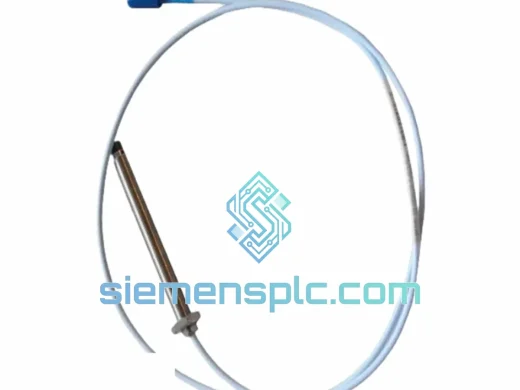
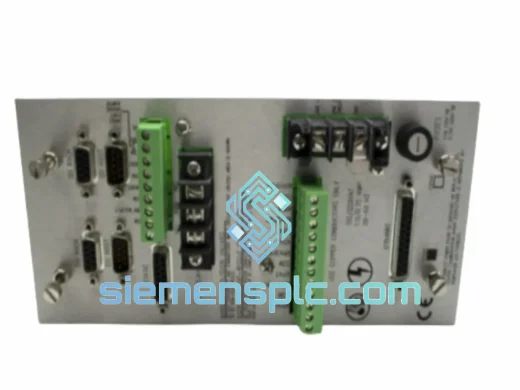
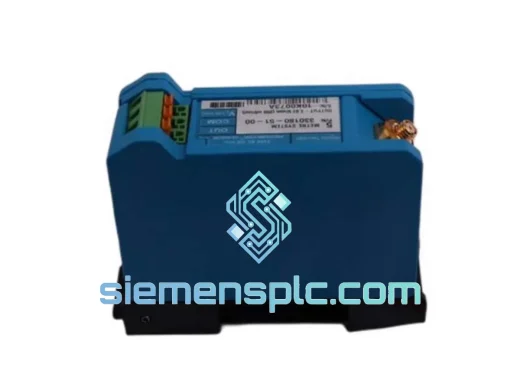
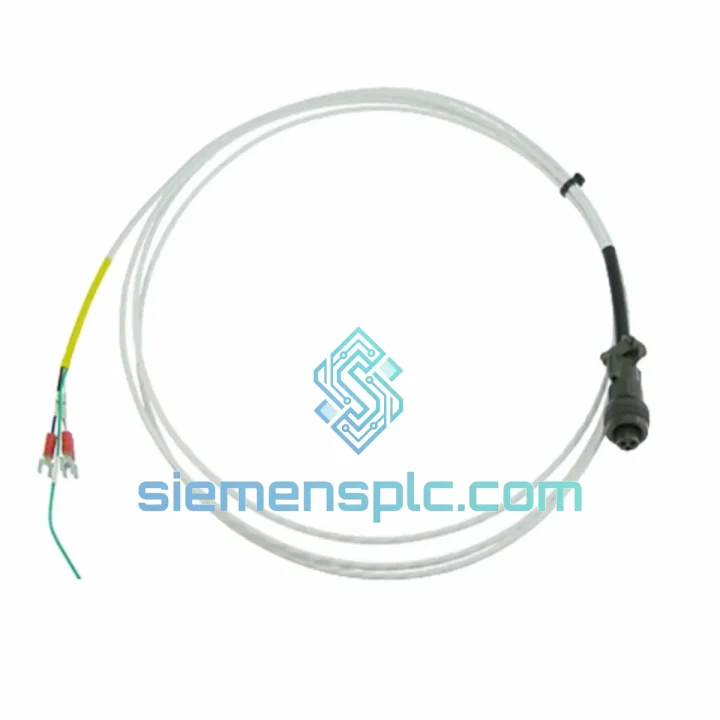
Bently Nevada 991-25-50-01-00 Thrust Transmitter – 3500 Series
3500 Series
Origin US
Thrust Transmitter
Request verified availability, condition, replacement risk review, packing options and courier lead time for 16710-30.
Click Request Quote and the part number is inserted into the inquiry form automatically.
Core fields for model confirmation and RFQ routing. Detailed product narrative remains below.
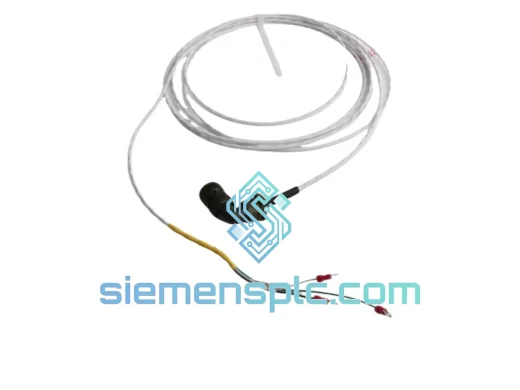
Every minute a critical rotating machine sits idle, the losses compound: lost throughput, penalty clauses, emergency labor, and the pressure of an entire plant waiting on one cable. The Bently Nevada 16710-30 is a 30 ft OEM interconnect cable purpose-built for 3300 and 3500 Series machinery protection systems. We stock it in Xiamen and ship globally via DHL/FedEx express — because the only acceptable answer to an unplanned outage is a part on the next available flight.
If your protection system is offline, your machine is either running blind or locked out entirely. Neither is acceptable. Get this cable moving today.
URGENT REQUIREMENT? Contact: [email protected] | WhatsApp: +86 18359268345
| Parameter | Detail |
|---|---|
| Part Number | 16710-30 ✅ Ready to Ship |
| Manufacturer | Bently Nevada (Baker Hughes) |
| Cable Length | 30 ft (9.14 m) |
| Compatible Systems | Bently Nevada 3300 Series, 3500 Series |
| Signal Type | Low-level analog — vibration, proximity, speed |
| Shielding | Individually shielded pairs + overall foil/braid |
| Connector Type | OEM multi-pin, both ends — no field modification needed |
| Operating Temperature | -40 °C to +85 °C |
| Compliance | API 670, CE, RoHS |
| Weight | ~250 g |
| Stock Status | In Stock — Ships within 24 hours |
The 16710-30 fails in predictable ways. Here is what to check before you pull the cable and what to verify after you install the replacement:
Common failure signatures:
Replacement procedure (field-verified steps):
The 16710-30 is not a general-purpose instrumentation cable dressed up with OEM connectors. It is engineered to survive the specific abuse that machinery protection installations dish out over years of continuous service.
The cable jacket compound is selected for resistance to the hydrocarbon mists, turbine lube oil, and cleaning solvents common in compressor halls and turbine enclosures. The foil-plus-braid shield construction maintains greater than 95% coverage even after repeated flexing during maintenance access — a figure that generic cables rarely sustain past the first major overhaul.
Connector retention force is specified to withstand the vibration levels present at the rack chassis itself, which in some installations can reach 2 g broadband from adjacent machinery. Loose connectors are a chronic nuisance in high-vibration environments; the OEM connector design on the 16710-30 includes a positive locking mechanism that generic alternatives frequently omit.
Thermal cycling between cold startups and full-load operating temperatures causes differential expansion between the cable core and jacket. The 16710-30’s construction accommodates this without insulation cracking or shield separation — a failure mode that shows up as a gradual noise floor increase over 12–18 months in cables not designed for this duty cycle.
In offshore and coastal installations, salt-laden air accelerates connector corrosion. The OEM connector plating specification on the 16710-30 is selected for this environment. If your installation is in a marine or coastal zone, request our documentation on connector plating specification before ordering a generic substitute.
Our warehouse is located in Xiamen, China — one of the country’s primary export hubs with direct access to DHL, FedEx, and UPS international express networks. This is not a drop-ship arrangement. Stock is physically on our shelves, inspected, and ready to pack.
Typical transit times from Xiamen:
Every shipment includes a commercial invoice, packing list, and certificate of conformance. For orders requiring customs pre-clearance documentation or specific HS code declarations, contact us before placing the order — we handle this daily and can prepare the paperwork in advance to prevent customs delays.
For genuine plant emergencies, contact us via WhatsApp at +86 18359268345 and we will coordinate same-day dispatch for orders confirmed before 14:00 CST.
Email: [email protected]
WhatsApp: +86 18359268345
Web: siemensplc.com
© 2026. All rights reserved.
We check the full part number, brand, series and visible nameplate information before quotation.
Sales confirms stock path, condition option, quantity and realistic lead time for export dispatch.
DHL, FedEx, UPS or buyer courier arrangements can be reviewed with packing requirements.
Similar brand or category products for fast comparison and multi-item RFQ lists.