Bently Nevada
RFQ Ready
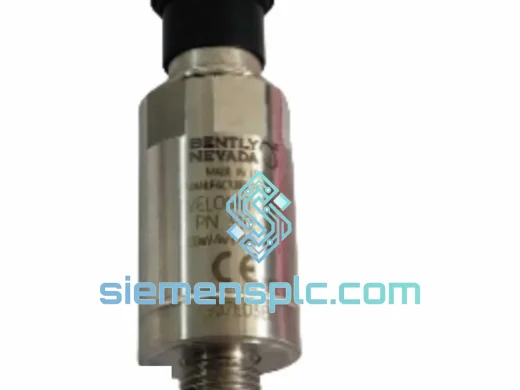
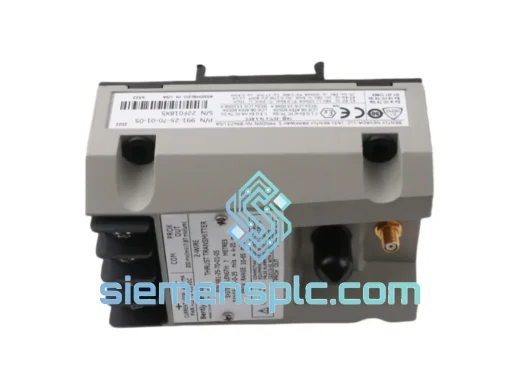
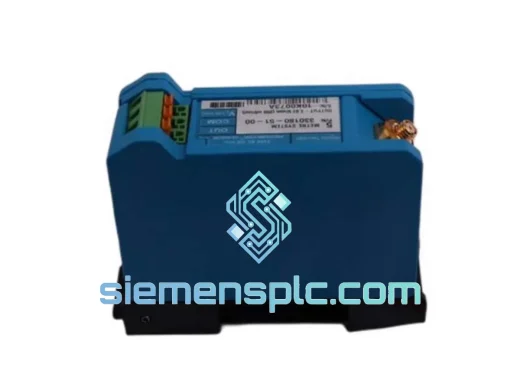
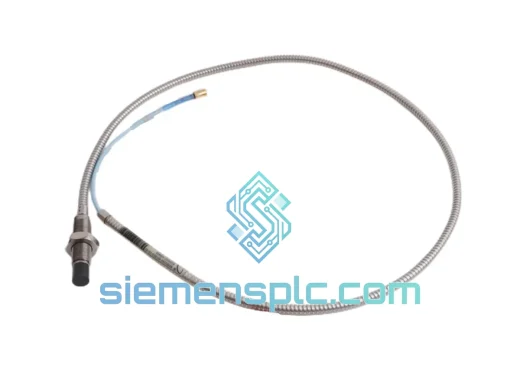
Bently Nevada RS901104-03-050-10-01 Proximitor Sensor – 3300 XL Series
3300 XL
Origin US
Proximitor Sensor
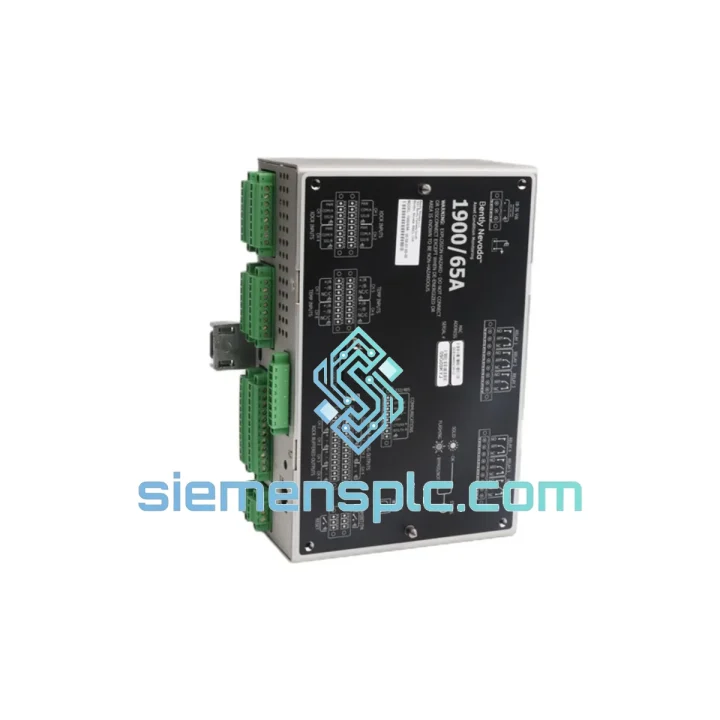
Request verified availability, condition, replacement risk review, packing options and courier lead time for 1900/65A.
Click Request Quote and the part number is inserted into the inquiry form automatically.
Core fields for model confirmation and RFQ routing. Detailed product narrative remains below.
Every hour a critical machine sits idle costs real money. Whether it’s a refinery compressor, a power plant feed pump, or a mining conveyor drive, the moment your vibration monitor fails, you’re flying blind — and the clock is running. The Bently Nevada 1900/65A 172323-01 is a proven DIN-rail general purpose equipment monitor built for exactly this scenario: fast swap-in, immediate protection, zero guesswork. We stock it in Xiamen and ship globally via DHL/FedEx express. Most orders are on a plane within 24 hours of payment confirmation.
This is not a catalog listing. This is a ready unit, bench-verified, packed, and waiting for your purchase order.
URGENT REQUIREMENT? Contact: [email protected] | WhatsApp: +86 18359268345
| Parameter | Specification |
|---|---|
| Part Number | 1900/65A — 172323-01 |
| Brand / Series | Bently Nevada / 1900 Series |
| Supply Voltage | 18–30 VDC (24 VDC nominal) |
| Power Consumption | ≤ 4 W typical |
| Input Channels | 2 × vibration (velocity / acceleration) + 1 × temperature (optional) |
| Transducer Compatibility | Velomitor, IEPE accelerometer, proximity probe (with signal conditioning) |
| Analog Output | 4–20 mA, loop-powered, isolated |
| Relay Output | SPDT, 5 A @ 250 VAC / 30 VDC (resistive) |
| Mounting | DIN rail EN 60715 TS35 |
| Operating Temperature | –20 °C to +70 °C |
| Humidity | 5–95 % RH, non-condensing |
| Vibration Withstand | IEC 60068-2-6 |
| Certifications | CE (EMC 2014/30/EU), API 670 5th Ed. aligned |
| Weight | 980 g (with connectors) |
| Stock Status | ✔ Ready to Ship — Xiamen Warehouse |
Swapping a 1900/65A in the field is straightforward if you follow the sequence. Skipping steps is where engineers lose another two hours.
Step 1 — Isolate before you touch anything. De-energize the 24 VDC supply rail feeding the monitor. The relay output is wired into your shutdown or alarm logic — confirm with the control room that the relay is bypassed or the interlock is defeated before disconnecting. Pulling the module live with an active relay circuit can trigger a spurious trip on adjacent equipment.
Step 2 — Document your setpoints. The 1900/65A stores alert and danger thresholds in non-volatile memory, but if the replacement unit ships with factory defaults (typically 0.5 in/s alert / 1.0 in/s danger for velocity channels), you will need to re-enter your site-specific values. Pull the configuration record from your CMMS or photograph the front-panel DIP switch positions before removal. There are no onboard display readouts — setpoints are set via the configuration software or DIP switches depending on the hardware revision.
Step 3 — Check the DIP switch map on the new unit. The 172323-01 option card defines the measurement mode (velocity vs. acceleration), full-scale range, and time-delay logic. Confirm the switch positions match your removed unit before powering up. A mismatch here means your alarm thresholds are calibrated against the wrong engineering unit — the monitor will appear to work but will not trip at the correct vibration level.
Step 4 — Verify terminal block wiring before re-energizing. The removable screw-terminal blocks are a major advantage of this platform — your field wiring stays intact during the swap. However, confirm that the terminal block is fully seated and the locking tab is engaged. A partially seated connector causes intermittent open-circuit faults that are notoriously difficult to diagnose under load.
Step 5 — Power-on check. Apply 24 VDC and observe the status LED sequence. A solid green indicates normal operation. A flashing amber on channel 1 or 2 typically indicates a transducer fault — check the Velomitor or accelerometer cable continuity and bias voltage at the input terminal (should read approximately –12 VDC for a healthy IEPE transducer on a 4 mA constant-current supply).
Common fault codes and symptoms:
The 1900/65A was not designed for a climate-controlled server room. It was designed for the kind of panel that sits 15 meters from a gas compressor in a tropical refinery, where ambient temperature swings 30 °C between day and night, humidity condenses on cold surfaces every morning, and the panel door vibrates at 12 Hz from the compressor foundation.
The operating temperature range of –20 °C to +70 °C covers everything from a Siberian gas processing facility in January to an uncooled panel in a Middle Eastern petrochemical plant in August. The IEC 60068-2-6 vibration withstand rating means the module’s internal solder joints and connector contacts are qualified to survive the mechanical environment of the machines it monitors — not just the shipping container.
Conformal coating on the PCB assembly provides a moisture barrier against the condensation cycles common in coastal and tropical installations. The removable terminal block design eliminates the mechanical stress concentration at fixed solder-in connectors — a common failure point in vibration-intensive environments where thermal cycling and mechanical vibration work together to crack solder joints over time.
Units in our inventory are stored in climate-controlled conditions, individually bagged in anti-static packaging, and inspected for physical damage, label integrity, and connector condition before dispatch. We do not ship units with bent pins, cracked housings, or missing terminal blocks — if it leaves our warehouse, it is fit for installation.
Our dispatch warehouse is located in Xiamen, Fujian, China — one of China’s primary export hubs with direct access to DHL, FedEx, and UPS international express networks. This is not a drop-ship arrangement. The unit is physically in our facility, and we control the packing and dispatch process end to end.
Typical transit times from Xiamen:
Every shipment includes a full commercial invoice, packing list, and certificate of conformance. For destinations requiring additional customs documentation (Form A, EUR.1, or country-specific import certificates), contact us before order confirmation and we will prepare the required paperwork. We have shipped to over 40 countries and are familiar with the import requirements for industrial automation equipment in most major markets.
For genuine plant emergency situations — unplanned shutdown, turnaround overrun, or safety system failure — contact us directly via WhatsApp for real-time stock confirmation and same-day dispatch coordination. We do not route emergency inquiries through a ticketing system.
📧 Email: [email protected]
💬 WhatsApp: +86 18359268345
🌐 Web: siemensplc.com
© 2026 siemensplc.com. All rights reserved.
We check the full part number, brand, series and visible nameplate information before quotation.
Sales confirms stock path, condition option, quantity and realistic lead time for export dispatch.
DHL, FedEx, UPS or buyer courier arrangements can be reviewed with packing requirements.
Similar brand or category products for fast comparison and multi-item RFQ lists.