Bently Nevada
RFQ Ready
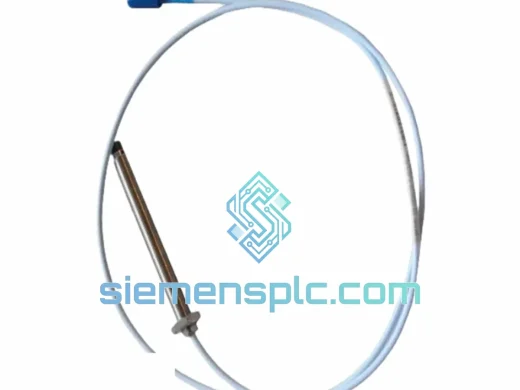
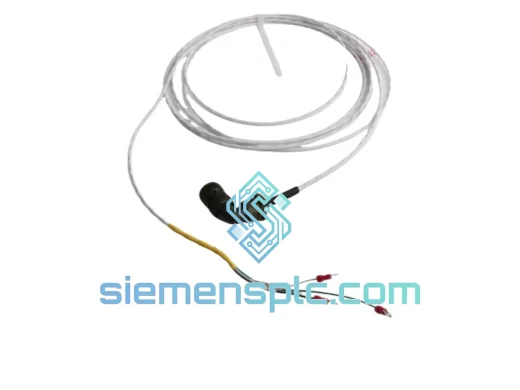
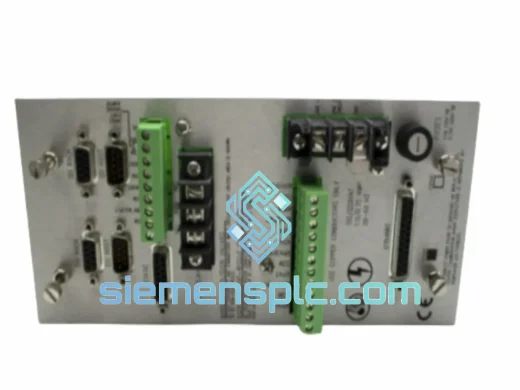
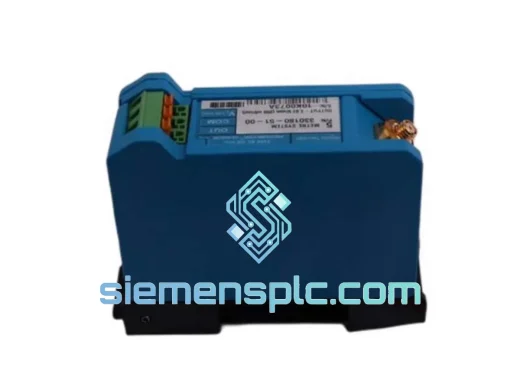
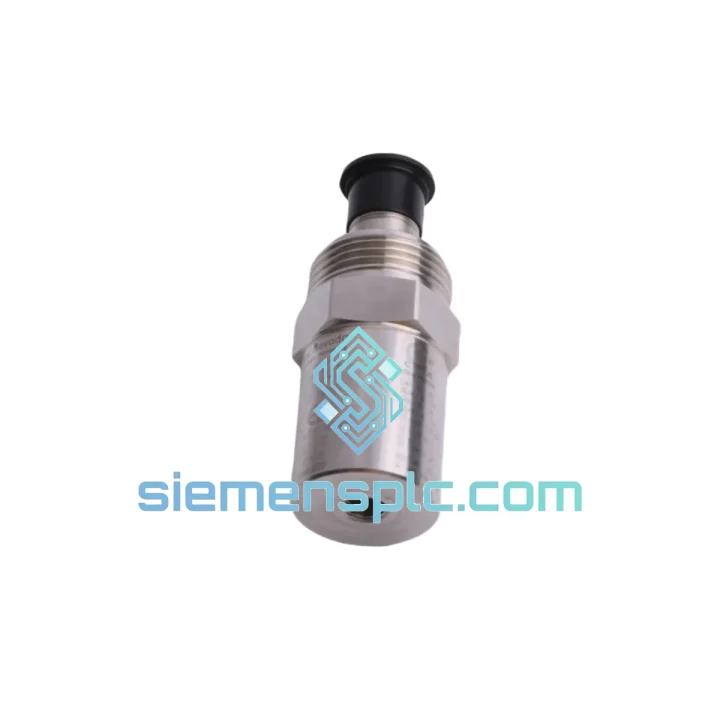
Bently Nevada 991-25-50-01-00 Thrust Transmitter – 3500 Series
3500 Series
Origin US
Thrust Transmitter
Request verified availability, condition, replacement risk review, packing options and courier lead time for 190501-07-00-04.
Click Request Quote and the part number is inserted into the inquiry form automatically.
Core fields for model confirmation and RFQ routing. Detailed product narrative remains below.
Your turbine is down. The maintenance window is closing. Every hour offline is burning through your production budget. The Bently Nevada 190501-07-00-04 Velomitor® Piezo-velocity Sensor is on our shelf in Xiamen — not on a 6-week factory backorder. We’ve handled enough emergency callouts to know that the difference between a 4-hour fix and a 4-day shutdown often comes down to one thing: whether the part ships today.
This is a 100% genuine Bently Nevada (Baker Hughes) unit. No substitutes. No grey-market rebrands. Full OEM part number, original packaging, traceable sourcing. If you’re replacing a failed sensor on a 3500 Series rack or a legacy 3300 monitor, this is the exact drop-in you need — no firmware changes, no reconfiguration, no surprises on the bench.
URGENT REQUIREMENT? Contact: [email protected] | WhatsApp: +86 18359268345
| Part Number / SKU | 190501-07-00-04 ✅ Ready to Ship |
| Brand | Bently Nevada (Baker Hughes) |
| Series | Velomitor® |
| Sensor Type | Piezo-velocity (IEPE — Integrated Electronics Piezo-Electric) |
| Measured Parameter | Vibration Velocity (mm/s or in/s) |
| Output Signal | AC Voltage (low-impedance) |
| Frequency Range | Approx. 2 Hz – 2,000 Hz (–3 dB) |
| Sensitivity | 100 mV/in/s (nominal) |
| Supply Current | 2–20 mA constant current (IEPE standard) |
| Connector | 2-pin MIL-spec / BNC (verify with your cable assembly) |
| Housing Material | 316 Stainless Steel |
| Weight | ~1,330 g (with cable) |
| Operating Temperature | –40°C to +121°C |
| Ingress Protection | IP67 (submersible) |
| Compatible Systems | Bently Nevada 3500 / 3300 Series, System 1® |
| Condition | New / Surplus New — OEM Original |
| Origin | USA |
| Stock Status | ✅ In Stock — Ships from Xiamen within 24 hrs |
Ten years of field work teaches you that most Velomitor failures fall into three categories. Here’s how to diagnose fast and replace clean:
Fault 1 — Flat or zero velocity reading on the 3500 rack: Before condemning the sensor, check the constant-current supply at the monitor input card. A failed IEPE bias supply will kill the output entirely. Measure DC bias voltage at the BNC input — should read +8 to +12 VDC. If it’s zero, the problem is the monitor card, not the sensor. If bias is present and output is still flat, swap the 190501-07-00-04.
Fault 2 — Erratic or noisy velocity signal (high overall vibration alarm with no mechanical cause): 90% of the time this is a broken shield or intermittent connector at the sensor body. The Velomitor’s MIL-spec connector is robust but corrodes in wet environments. Inspect the connector boot for cracking, check continuity on the shield conductor, and torque the connector to spec (finger-tight plus 1/4 turn). If the noise disappears when you flex the cable, replace the sensor and cable assembly together.
Fault 3 — Sensor reads correctly at rest but drifts under heat: The IEPE internal amplifier is temperature-sensitive. If your machine runs above 100°C at the bearing housing, verify the sensor is the high-temperature variant. The suffix -04 in 190501-07-00-04 denotes the specific configuration — confirm this matches your original installation datasheet before fitting.
Replacement Procedure (condensed field steps):
No address switch or DIP switch configuration is required for this sensor — it is a passive IEPE device. All channel configuration (full-scale range, alarm setpoints, integration mode) is handled at the 3500 monitor card level and does not need to be changed when swapping a like-for-like sensor.
The 190501-07-00-04 was not designed for a clean lab. It was designed for the bearing housing of a 60 MW steam turbine running at 3,000 RPM in a coastal petrochemical plant where ambient humidity sits at 95% and the nearest shelter is 200 meters away.
The 316 stainless steel housing resists chloride corrosion in offshore and coastal environments where carbon steel sensors fail within months. The IP67 rating means the sensor survives temporary submersion — relevant in pump pits and below-grade installations where water ingress is a routine hazard, not an exception.
Vibration resistance is inherent to the design: the IEPE internal amplifier is potted in epoxy, eliminating the solder joint failures that kill conventional sensors under sustained mechanical shock. The sensor has been validated against IEC 60068-2-6 sinusoidal vibration profiles and IEC 60068-2-27 shock testing — the same standards used for qualification in oil & gas and power generation applications.
Thermal cycling between –40°C and +121°C does not degrade the sensitivity calibration within the rated service life. This matters in environments where the machine starts cold and reaches operating temperature within minutes — a thermal shock profile that kills sensors with inadequate potting or connector sealing.
Our warehouse is in Xiamen, Fujian, China — one of the most logistics-connected export hubs in Asia, with direct access to DHL, FedEx, and UPS international express networks.
Standard express timeline (door-to-door):
All shipments include: commercial invoice, packing list, certificate of origin, and airway bill. For orders requiring formal export documentation (EX1, EUR.1, or specific country COO certification), advise us at the time of order and we will prepare accordingly.
For genuine plant emergency situations — where your production line is down and every hour counts — contact us directly on WhatsApp. We can arrange same-day dispatch for orders confirmed before 14:00 CST, with DHL On-Demand Delivery tracking pushed to your phone in real time.
We do not use consolidation freight or economy postal services for industrial components. Every shipment goes express, fully tracked, with declared value and insurance. No surprises at customs.
📧 Email: [email protected]
📱 WhatsApp: +86 18359268345
🌐 Web: siemensplc.com
© 2026 siemensplc.com. All rights reserved.
We check the full part number, brand, series and visible nameplate information before quotation.
Sales confirms stock path, condition option, quantity and realistic lead time for export dispatch.
DHL, FedEx, UPS or buyer courier arrangements can be reviewed with packing requirements.
Similar brand or category products for fast comparison and multi-item RFQ lists.