Schneider Electric
RFQ Ready
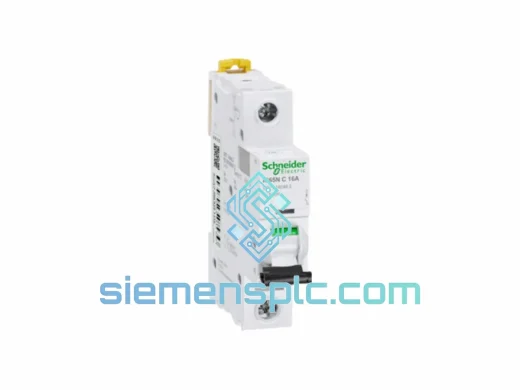
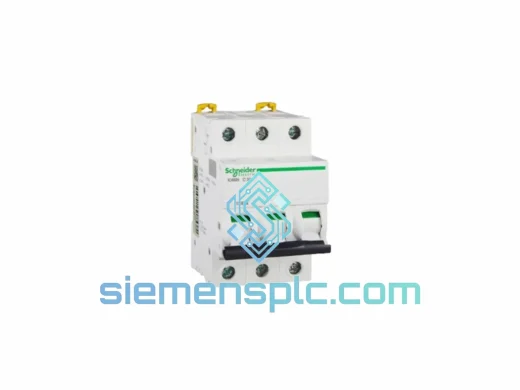
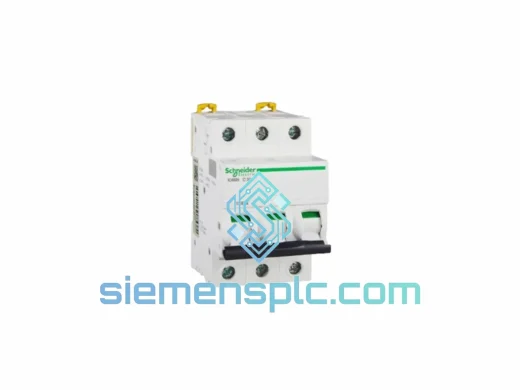
Schneider Electric iC65N-3P-C32A Miniature Circuit Breaker – Acti9
2A C-Curve MCB Acti9 Series
Origin FR
Miniature Circuit Breaker
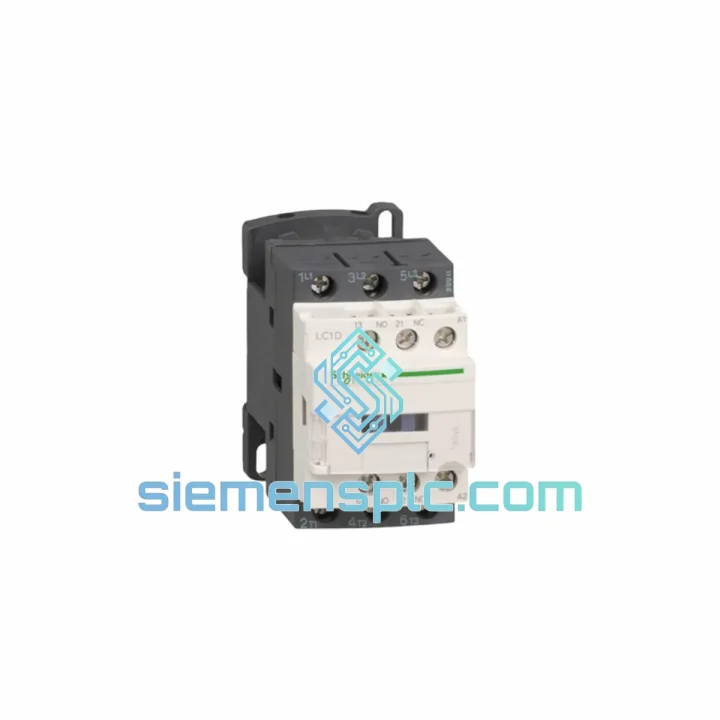
Request verified availability, condition, replacement risk review, packing options and courier lead time for LC1D40M7C.
Click Request Quote and the part number is inserted into the inquiry form automatically.
Core fields for model confirmation and RFQ routing. Detailed product narrative remains below.
Your motor panel is dead. The overload tripped, the contactor welded, or the coil burned out at 2 AM on a Sunday. You’ve already lost production. The LC1D40M7C is on our shelf in Xiamen right now — not on a 6-week lead time from a European warehouse. We’ve handled enough emergency callouts to know that the difference between a 4-hour fix and a 3-day shutdown is whether the right part is in stock. It is. Let’s get it moving.
URGENT REQUIREMENT? Contact: [email protected] | WhatsApp: +86 18359268345
| Parameter | Specification |
|---|---|
| Part Number | LC1D40M7C ✅ Ready to Ship |
| Brand | Schneider Electric |
| Series | TeSys D |
| Pole Configuration | 3-Pole + 1 NO Auxiliary |
| Rated Current (AC-3) | 40 A @ 400 V |
| Motor Power Rating | 18.5 kW @ 400 V / 7.5 kW @ 230 V |
| Coil Voltage | 220 V AC, 50/60 Hz |
| Coil Inrush / Sealed | ~70 VA / ~7 VA |
| Thermal Current (Ith) | 50 A |
| Utilization Category | AC-3 (squirrel-cage induction motors) |
| Mechanical Endurance | 10,000,000 operations |
| Electrical Endurance (AC-3) | 1,000,000 operations |
| Mounting | 35 mm DIN rail or screw mount |
| Main Terminal Wire Range | 1–16 mm² |
| Auxiliary Terminal Wire Range | 0.75–2.5 mm² |
| Protection Degree | IP20 |
| Operating Temperature | -25 °C to +60 °C |
| Dimensions (H × W × D) | 95 × 45 × 110 mm |
| Weight | ~1.47 kg |
| Standards | IEC/EN 60947-4-1, UL 508, CSA C22.2, CCC |
| Origin | China (Schneider Electric manufacturing) |
| Stock Status | ✅ In Stock — Ships within 24 hours |
After handling hundreds of contactor failures across pump stations, compressor rooms, and MCC panels, here are the failure modes that actually show up on the LC1D40M7C — and what to check before you bolt in the replacement.
Failure Mode 1 — Welded Main Contacts (Most Common)
Symptom: Motor runs continuously even after control signal drops. Coil de-energizes but motor doesn’t stop. Root cause is almost always a locked-rotor event — the motor stalled, drew 6–8× FLA, and the contacts arced under load. Before fitting the new unit, check: (1) Is the overload relay set correctly? If it’s set too high, it won’t trip fast enough to protect the contactor. (2) Is there a soft-starter or VFD upstream that should be absorbing inrush? If the contactor is switching under load rather than at zero-current, contact life drops dramatically.
Failure Mode 2 — Coil Burnout (220 V AC Coil)
Symptom: Contactor won’t pull in, coil measures open circuit or very high resistance. The M7 coil designation means 220 V AC. Confirm your control voltage before installing — a 110 V supply on a 220 V coil will cause the contactor to chatter and eventually burn the coil. A 380 V supply will destroy it immediately. Use a multimeter on the coil terminals before energizing. Coil resistance on a healthy LC1D40M7C should read approximately 300–400 Ω at room temperature.
Failure Mode 3 — Auxiliary Contact Failure
Symptom: PLC input for motor run-feedback shows no signal even though motor is running. The built-in 1 NO auxiliary contact is a common failure point in high-cycle applications. Check contact resistance with a milliohm meter — anything above 1 Ω indicates oxidation or wear. Replacement: snap on an LA1DN11 auxiliary contact block. No rewiring required, tool-free installation.
Replacement Procedure (Field-Verified Steps)
Configuration Notes
The LC1D40M7C has no DIP switches or firmware — it is a purely electromechanical device. However, if you are replacing a contactor in a star-delta starter, confirm the timing relay settings have not drifted. A star-delta transition that occurs too early (motor not yet at speed) will cause a current spike that can weld the delta contactor contacts on the first start after maintenance.
The TeSys D platform was not designed for clean-room environments. It was designed for the kind of places where panels run hot, vibration is constant, and humidity condenses on everything overnight. The LC1D40M7C carries a -25 °C to +60 °C operating range — that covers outdoor pump stations in northern winters and compressor rooms in tropical climates without derating.
The silver-alloy main contacts are engineered to handle the thermal cycling that comes with frequent motor starts. In AC-3 duty (full-voltage starting of squirrel-cage motors), the electrical endurance rating of 1 million operations is based on IEC test conditions that include the inrush current transient — not just steady-state switching. That matters in applications like conveyor systems or packaging lines where the motor starts dozens of times per shift.
Vibration resistance meets IEC 60068-2-6 test conditions. The DIN rail mounting clip is a positive-locking design — the contactor does not walk off the rail under sustained vibration, which is a real failure mode on poorly designed mounting systems. The screw-clamp terminals maintain contact force across thermal cycles, unlike spring-cage terminals that can lose preload after repeated heat-cool cycles in high-ambient environments.
For installations in coastal or high-humidity environments, the IP20 rating means the contactor requires an enclosure. Pair with a minimum IP54 steel enclosure and ensure the enclosure has a proper cable gland seal. Condensation inside an unsealed panel is the single most common cause of premature coil failure in tropical deployments.
Our warehouse is in Xiamen, Fujian — one of China’s primary export hubs with direct access to Xiamen Gaoqi International Airport and Xiamen Port. This is not a drop-shipping operation. The LC1D40M7C you order is physically on our shelf, inspected, and ready to pack.
Standard Express Routing: DHL Express and FedEx International Priority are our primary carriers for urgent shipments. For most destinations in Southeast Asia, the Middle East, and Europe, transit time is 3–5 business days door-to-door from the moment your payment clears. For North America, allow 4–6 business days. These are real transit times based on actual shipments — not carrier marketing estimates.
Same-Day Dispatch: Orders confirmed and paid before 15:00 CST (UTC+8) on business days ship the same day. We cut no corners on packaging — contactors are bubble-wrapped and boxed individually to prevent terminal damage in transit. A damaged contactor that arrives on time is useless.
Documentation: Commercial invoice, packing list, and certificate of origin are included with every shipment. For projects requiring a Certificate of Conformity or test report, contact us before ordering — we can arrange this for most Schneider Electric product lines.
Customs: We declare goods accurately. HS Code 8536.49 applies to AC contactors. Import duties vary by destination country — factor this into your total landed cost. We do not under-declare values; this protects both parties.
Tracking: AWB number is sent via email within 2 hours of dispatch. Real-time tracking is available through the DHL or FedEx portal. If your shipment is held at customs, contact us immediately — we have experience resolving customs holds and can provide additional documentation quickly.
Email: [email protected]
WhatsApp: +86 18359268345
Web: siemensplc.com
© 2026 siemensplc.com. All rights reserved.
We check the full part number, brand, series and visible nameplate information before quotation.
Sales confirms stock path, condition option, quantity and realistic lead time for export dispatch.
DHL, FedEx, UPS or buyer courier arrangements can be reviewed with packing requirements.
Similar brand or category products for fast comparison and multi-item RFQ lists.