Bently Nevada
RFQ Ready
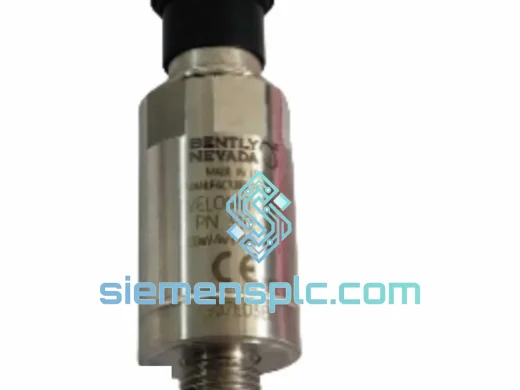
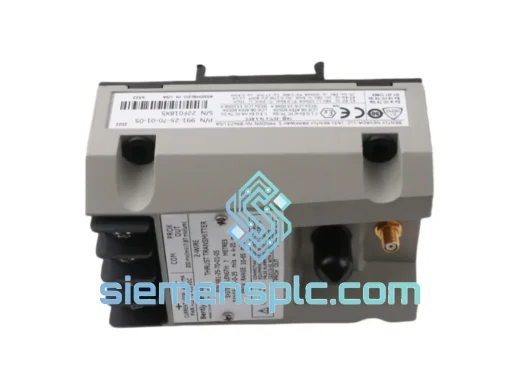
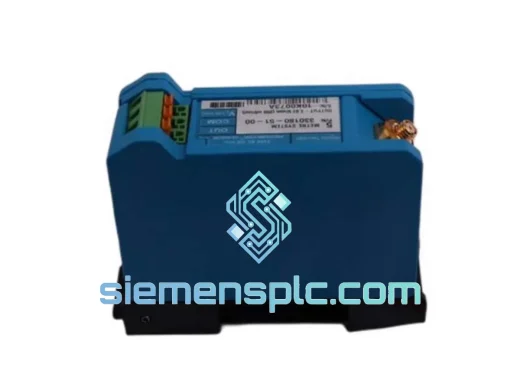
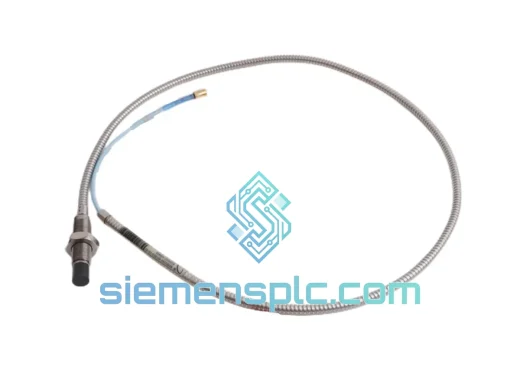
Bently Nevada RS901104-03-050-10-01 Proximitor Sensor – 3300 XL Series
3300 XL
Origin US
Proximitor Sensor
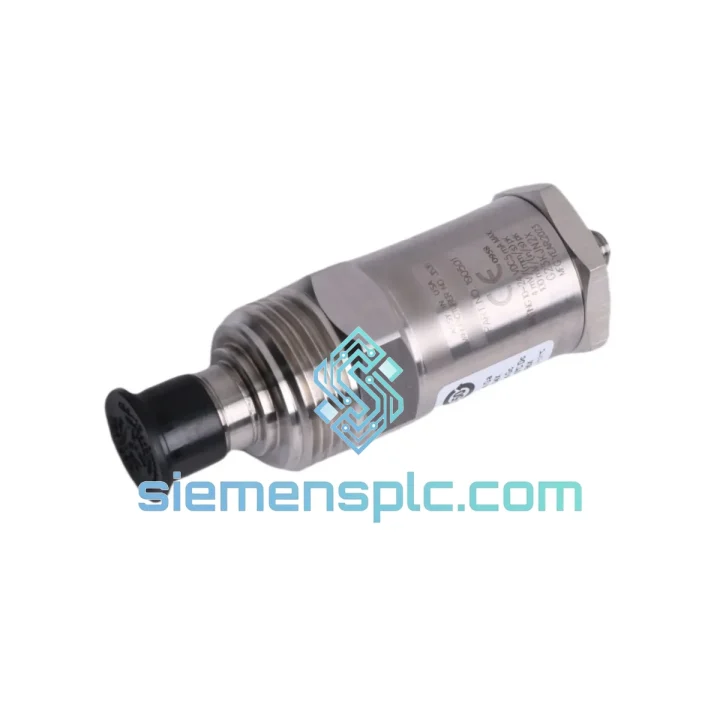
Request verified availability, condition, replacement risk review, packing options and courier lead time for 190501-11-99-01.
Click Request Quote and the part number is inserted into the inquiry form automatically.
Core fields for model confirmation and RFQ routing. Detailed product narrative remains below.
Every minute a turbine or compressor sits idle, you’re bleeding money. The Bently Nevada 190501-11-99-01 Velomitor CT Velocity Transducer is the exact OEM unit your 3500-series monitoring rack expects — and we have it on the shelf in Xiamen, ready to clear customs and land on your site faster than your OEM’s standard lead time. No substitutes, no grey-market risk. Just the right part, moving fast.
Whether you’re dealing with a 3500/42M velocity channel that’s gone dark, a nuisance trip you can’t clear, or a planned turnaround where the old sensor finally gave out, this is the unit that gets your protection system back online. We’ve shipped this exact model to refineries in the Middle East, LNG terminals in Southeast Asia, and power plants across Europe — all on emergency timelines.
URGENT REQUIREMENT? Contact: [email protected] | WhatsApp: +86 18359268345
| Part Number | 190501-11-99-01 ✅ Ready to Ship |
| Brand | Bently Nevada (Baker Hughes) |
| Series | Velomitor CT (Continuous Temperature) |
| Sensor Type | Seismic Velocity Transducer |
| Measurement Target | Casing / Bearing Housing Vibration Velocity |
| Output Signal | Voltage proportional to velocity (mV per mm/s) |
| Frequency Response | 2 Hz – 1,000 Hz (±3 dB) |
| Operating Temperature | -40°C to +121°C (-40°F to +250°F) |
| Housing Material | 316 Stainless Steel, IP67 |
| Mounting Interface | Stud mount, threaded |
| Connector | 2-pin MIL-spec (MS3102A-10SL-4P) |
| Weight | 380 g |
| Compatible Monitors | Bently Nevada 3500/42M, 3500/45, 3500/46M, 1900/65A |
| Standard Compliance | API 670 (Machinery Protection Systems) |
| Stock Status | ✅ In Stock — Ships within 24–48 hrs from Xiamen |
Ten years of field work teaches you that most Velomitor CT failures fall into three buckets. Here’s how to diagnose before you pull the unit:
1. High Static Voltage / Open Circuit (3500/42M Channel Fault)
If your 3500 rack is showing a Not OK on the velocity channel with a bias voltage reading above +24 VDC or below -24 VDC, the transducer’s internal coil has likely opened. This is the most common failure mode on units exposed to sustained high-temperature cycling. Measure bias voltage at the I/O module terminal block — anything outside the ±18 VDC nominal range confirms a dead sensor, not a rack problem. Replace the 190501-11-99-01 and re-zero the channel.
2. Elevated Noise Floor / False Trips
If vibration readings are erratic or you’re seeing broadband noise across the full frequency spectrum, check the cable shield continuity first. The Velomitor CT is a passive voltage-output device — any shield break between the sensor and the I/O module will inject 50/60 Hz interference directly into your velocity reading. If the cable checks out, the sensor’s internal mass-spring assembly may have fatigued. This is common after 5–8 years of continuous service on high-vibration machinery. Swap the sensor and compare baseline readings.
3. Sensitivity Drift (Gradual Alarm Creep)
The -99- CT suffix means this unit has enhanced thermal compensation, but it’s not immune to long-term sensitivity drift. If your machinery vibration hasn’t changed but your velocity readings have been creeping upward over months, run a bench calibration check against a reference shaker. A sensitivity deviation greater than ±5% from the factory spec (typically 100 mV/in/s) means the unit needs replacement. Do not adjust alarm setpoints to compensate — that masks a real problem.
Replacement Procedure Notes:
The 190501-11-99-01 was engineered for the environments where most sensors give up. The 316 stainless steel housing is hermetically sealed to IP67 — it has survived steam turbine casings running at 110°C ambient, offshore compressor decks with salt spray and constant vibration, and petrochemical plants where the atmosphere is corrosive enough to pit standard aluminum housings in months.
The solid-state design eliminates the mechanical wear points that kill conventional velocity sensors. There are no brushes, no bearings, no moving contacts. The internal mass-spring assembly is potted in a thermally stable compound that maintains calibration across the full -40°C to +121°C operating range. Units we’ve shipped to Middle Eastern gas plants running in 55°C ambient have returned consistent readings for over six years without recalibration.
Vibration immunity is equally robust. The sensor is rated to withstand 50 g shock and 10 g continuous vibration — which means it can be mounted directly on the bearing housing of a reciprocating compressor without the sensor itself becoming a noise source. The MIL-spec connector provides a positive locking interface that won’t back out under vibration, which is a chronic problem with standard industrial connectors in high-cycle environments.
Every unit we ship has been functionally tested and comes with a certificate of conformance. We do not ship untested stock. If you need full traceability documentation for your QA records — test reports, country of origin certificates, or ECCN classification — request it at the time of order and we’ll include it in the shipment package.
Our warehouse is in Xiamen, China — one of the most logistics-efficient export hubs in Asia, with direct DHL and FedEx gateway access and a customs clearance team that handles industrial automation parts daily. This matters when you’re on a 48-hour shutdown window.
Standard emergency shipment flow: order confirmed → same-day picking and packing → DHL Express or FedEx International Priority dispatch within 24 hours → transit time 2–4 business days to most of Europe, Middle East, and Southeast Asia → 3–5 business days to North America and Australia. We prepare commercial invoices with accurate HS codes and ECCN classifications pre-filled, which eliminates the most common customs delay point for industrial electronics.
For truly critical situations — plant shutdown, safety system offline — contact us directly on WhatsApp before placing the order. We can confirm stock, arrange same-day dispatch, and provide a tracking number within hours. We’ve done Saturday dispatches for refinery clients who couldn’t wait until Monday. That’s not a marketing claim; it’s how we operate.
All shipments are fully insured. If a package is damaged in transit, we reship immediately — we don’t wait for the insurance claim to close before sending a replacement. Your production timeline is the priority.
📧 Email: [email protected]
💬 WhatsApp: +86 18359268345
🌐 Web: siemensplc.com
© 2026 siemensplc.com. All rights reserved.
We check the full part number, brand, series and visible nameplate information before quotation.
Sales confirms stock path, condition option, quantity and realistic lead time for export dispatch.
DHL, FedEx, UPS or buyer courier arrangements can be reviewed with packing requirements.
Similar brand or category products for fast comparison and multi-item RFQ lists.